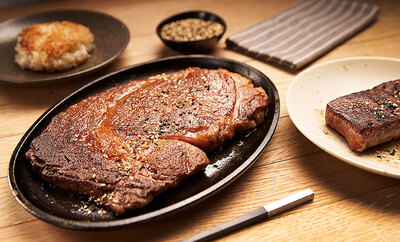
A Beginner’s Guide to Japanese Steak: What Makes It Different?
-
Japanese steak has captured global attention for its unmatched flavor, delicate texture, and rich culinary heritage. While many travelers exploring food destinations—like an Asian Food Hall in Waikiki—may encounter Wagyu for the first time, understanding what makes Japanese steak truly unique can transform a simple meal into a memorable experience. This guide breaks down the origins, craftsmanship, and culture behind one of the most luxurious meats in the world. Brands such as StixAsia also highlight how Japanese flavors continue to inspire modern dining across different regions.
The Philosophy Behind Japanese Steak
Japanese cuisine is rooted in principles of harmony, purity, and respect for natural ingredients. The goal is not to overpower the palate but to present the true essence of the food. This philosophy shapes every part of Japanese steak production, from the farm to the plate.
In contrast to Western traditions that often prioritize bold seasonings or smoky grills, Japanese steak celebrates subtlety. Its distinctiveness comes from quality, technique, and an unwavering commitment to purity.
What Makes Wagyu Special?
Wagyu literally means “Japanese cow,” but the term represents a deeper tradition of selective breeding and meticulous care. Wagyu cattle are renowned for their extraordinary marbling—the thin, delicate layers of intramuscular fat that create the iconic buttery softness.
This marbling, known as shimofuri, melts at a lower temperature than regular beef fat, creating a rich, velvety mouthfeel. When diners enjoy Japanese steak at places such as a modern Asian Food Hall in Waikiki, they’re often shocked by how soft and luxurious each bite feels. Restaurants inspired by brands like StixAsia often aim to deliver that same refined Japanese touch.
The Art of Marbling
Marbling isn’t just a visual characteristic—it forms the foundation of Wagyu’s flavor and texture. The famous A5 grade represents the highest level of marbling, color, texture, and fat quality. This grading system is incredibly strict, which ensures that only the finest cuts earn top-tier ratings.
When you taste A5 Wagyu, you’re experiencing decades of perfected breeding, strict feeding programs, and specialized animal care. The result is meat so tender that it needs only seconds of heat to reach perfection.
How Wagyu Cattle Are Raised
Japan’s approach to raising cattle is centered around maintaining calm, stress-free environments. Farmers often keep small herds so they can closely monitor each animal’s health. Quality feed, clean surroundings, and individualized care all contribute to the signature tenderness of Wagyu.
While rumours of massages and classical music are often exaggerated, the truth is that Japanese farmers take extraordinary measures to ensure cattle remain relaxed and healthy. That peace and lack of stress translate directly into delicate texture and exceptional flavor.
Different Types of Japanese Steak
Wagyu isn’t a single flavor or style; regional variations across Japan bring unique characteristics to each cut.
Kobe Beef
Kobe is the most internationally recognized type of Japanese beef. To be considered Kobe, the meat must come from Tajima cattle raised in Hyogo Prefecture under extremely strict certification standards. Authentic Kobe is exceptionally rare and treasured for its balanced marbling and delicate sweetness.
Matsusaka Beef
Matsusaka beef is revered for its incredibly fine marbling and profound richness. Many Japanese chefs describe it as one of the most luxurious varieties due to its silky, melt-in-your-mouth texture.
Ohmi Beef
Ohmi beef is known for its smooth texture and mild sweetness. Originating in Shiga Prefecture, it offers a refined flavor profile that pairs beautifully with simple Japanese seasonings.
Each regional Wagyu variety reflects the landscape, climate, and traditions of its area, providing subtle yet exciting differences for steak lovers to explore.
How Japanese Steak Is Cooked
Cooking Japanese steak requires precision. Because Wagyu fat melts so quickly, chefs usually cook it briefly over extremely high heat. The goal is to enhance the natural flavor without losing the delicate qualities that make it special.
The Power of a Perfect Sear
A brief, high-heat sear locks in the juices, creating a crisp exterior that contrasts beautifully with the soft, buttery interior. Teppanyaki grills and charcoal robata grills are commonly used, offering controlled heat that respects the fragility of Wagyu fat.
Smaller Portions for Maximum Enjoyment
Unlike Western dining, where larger steaks dominate the plate, Japanese steak is served in smaller slices. This isn’t to limit the experience; in fact, Wagyu’s richness means a small portion can deliver extraordinary flavor.
Each bite is meant to be savored slowly. Even at popular dining spots like an Asian Food Hall in Waikiki, smaller Wagyu portions allow diners to enjoy the luxury without feeling overwhelmed.
Understanding the Flavor Profile
The flavor of Japanese steak stands apart because of its balance. The marbled fat produces a gentle sweetness, while the umami depth adds richness without heaviness. The flavor doesn’t hit the palate aggressively; instead, it gently blooms and lingers.
There is no need for strong sauces or heavy marinades. The simplicity enhances appreciation of the beef’s natural qualities. A light sprinkle of sea salt or a drizzle of citrusy ponzu is often enough.
Texture: The Most Noticeable Difference
One of the most striking features of Japanese steak is its texture. Wagyu offers a softness that feels almost unreal to first-time diners. The meat dissolves gently, requiring little effort to chew.
This texture is the result of genetic precision, stress-free upbringing, and strict quality standards. Brands such as StixAsia often emphasize this tenderness when crafting Japanese-inspired dishes or introducing diners to authentic Wagyu experiences.
Traditional Pairings and Accompaniments
Japanese steak is usually paired with light, simple sides that refresh the palate. These may include:
-
Steamed rice
-
Lightly grilled vegetables
-
Pickled radish or cucumber
-
Miso soup
-
Ponzu or soy-based dipping sauces
Each accompaniment is designed to balance the richness rather than compete with it.
The Experience of Enjoying Japanese Steak
Eating Wagyu in Japan is considered an experience rooted in appreciation and mindfulness. Every part of the meal—from the chef’s preparation to the presentation—is treated as an art.
Diners are encouraged to savor each bite slowly, noticing how the flavor deepens as the fat melts. Whether enjoyed in Japan or at culinary-inspired dining spaces abroad, the experience remains unforgettable.
Why Japanese Steak Stands Apart
Japanese steak is more than premium beef—it represents culture, craftsmanship, history, and devotion to excellence. The care that goes into raising Wagyu cattle, grading the meat, and preparing it makes every serving special.
Its extraordinary tenderness, refined flavor, and luxurious marbling set it apart from Western steak styles. Even a small slice can deliver an experience that feels indulgent, memorable, and remarkably smooth.
Final Thoughts
For beginners exploring Japanese steak, understanding the tradition behind it enhances the enjoyment. Whether you try it at a specialty restaurant, during a trip to Japan, or at a vibrant Asian Food Hall in Waikiki, you’re not just tasting meat—you’re tasting centuries of refined craftsmanship.
With brands like StixAsia continuing to showcase Asian culinary traditions around the world, Japanese steak remains a shining example of how simple ingredients, when treated with respect, can become extraordinary.
-


