Categories
Tags
Archives
Pack Smart for Chardham Yatra 2026 Weather
-

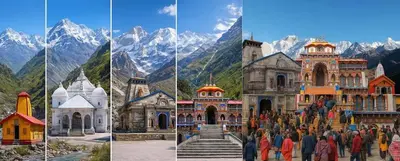
The Chardham Yatra — visiting Yamunotri, Gangotri, Kedarnath, and Badrinath in Uttarakhand — is one of the most spiritually significant journeys for millions of devotees. While devotion is at the heart of the experience, the weather plays a major role in how comfortable and safe your Yatra will be. The Himalayan climate is notoriously unpredictable, with conditions changing rapidly across elevations, seasons, and even within a single day.Packing smart means preparing for all possible weather scenarios — from summer sunshine to monsoon rains and chilling winds in the high mountains. Here’s how to do it right for Chardham Yatra 2026.
1. Understanding Chardham Weather Patterns
Before you pack, you must understand the weather conditions you’re likely to face during your pilgrimage.
✔ Yatra Season and Accessibility
-
Chardham Yatra officially opens around late April or early May and continues till October/November when winter starts closing the routes due to heavy snowfall.
-
Temples are closed in winter (Nov–Apr) because snow blocks passes and makes travel unsafe.
-
Monsoon (July–August) brings heavy rainfall, landslides, and road blockages, making travel risky.
Seasonal Weather Breakdown
Season
Months
Typical Weather
Packing Focus
Pre‑Monsoon / Summer
Apr–Jun
Pleasant days, chilly nights
Light + warm layers
Monsoon
Jul–Aug
Heavy rain, slippery trails
Rain gear, waterproofing
Post‑Monsoon / Autumn
Sept–Oct
Clear skies, cold nights
Warm layers, wind protection
Sources for these patterns are consistent across travel guides and forecasts.
Summer (April–June)
This is considered the best time for the Yatra. Weather during the day is generally pleasant with clear skies, while temperatures at higher altitudes can still be cool — especially at night.
Typical conditions:
-
Days: 15–25°C (pleasant)
-
Nights: Close to freezing at high altitudes
-
Weather: Clear or partly cloudy
Monsoon (July–August)
Monsoon transforms the hills. Frequent heavy showers make roads slippery and can bring landslides and route disruptions.
Typical conditions:
-
Rainfall: Heavy
-
Humidity: High
-
Risks: Slippery paths, roadblocks
Autumn (September–October)
Often called the second best season for Chardham. Skies clear after the monsoon, temperatures are moderate, and visibility improves — perfect for sightseeing.
But nights can be chilly, and layers will be necessary.2. General Packing Strategy — Rules of Thumb
A smart Chardham Yatra packing list must reflect the weather risks and seasonal nuances:
Layering — Your Best Friend
In the mountains, temperatures can swing wildly:
-
Warm in the sun
-
Cold in the shade or at night
-
Rain can make it colder
So pack layers that you can add or remove easily, such as:
-
Base layer (moisture‑wicking clothes)
-
Mid‑layer (fleece / light sweater)
-
Outer layer (windproof / rainproof jacket)
This strategy keeps you prepared for all temperatures and conditions.
3. Essential Clothing For Chardham Yatra 2026 Weather
✔ Upper Body
-
Thermal T‑shirts / base layers: Helps regulate body heat especially at night.
-
Quick‑dry T‑shirts: For daytime comfort.
-
Fleece / warm sweater: Needed in mornings/evenings.
-
Windproof jacket: Wind chill at higher altitudes can be severe.
-
Rainproof outer shell (jacket/poncho): A must during monsoon and sudden showers.
✔ Lower Body
-
Quick‑dry hiking pants: Comfortable and practical.
-
Warm trousers / thermal leggings: For cold mornings and nights.
-
Extra socks: Wool or thermal socks help avoid blisters and keep feet warm.
✔ Footwear
-
Sturdy trekking shoes: Comfortable for long walks and uneven terrain.
-
Waterproof boots / shoes: Vital during monsoon or glacier areas.
-
Flip‑flops / slippers: Useful at stays or temples.
✔ Head & Hands
-
Woollen cap / beanie
-
Gloves (thermal / waterproof)
-
Sunglasses (UV protection)
4. Weather‑Specific Gear
✔ Rain Gear
Even if you’re not traveling during monsoon, you could encounter unexpected rain showers, especially near Gangotri or Kedarnath zones. Always carry:
-
Compact travel umbrella
-
Rain poncho / rain jacket
-
Waterproof cover for backpack
Rain gear also doubles as wind protection at higher elevations.
5. Accessories For Weather Comfort
✔ Sun Protection
At high altitudes, the sun is strong. Include:
-
Sunscreen (SPF 50+)
-
Lip balm
-
Hat with brim
✔ Hydration & Energy
Mountain travel can be dehydrating. Pack:
-
Reusable water bottle
-
Electrolyte packets
-
Energy bars / snacks
✔ Trekking Essentials
If your route includes walking sections (like Gaurikund to Kedarnath):
-
Trekking poles
-
Gaiters (protect lower legs from mud and rocks)
-
First‑aid kit (consider altitude sickness medicine)
6. Toiletries & Health Essentials
✔ Basic Medical Kit
Weather changes can affect health, so include:
-
Pain relievers
-
Motion sickness meds
-
ORS / glucose packets
-
Band‑aids and antiseptic
-
Anti‑diarrheal medicine
-
Any personal prescription medications
✔ Hygiene
-
Hand sanitizer
-
Wet wipes
-
Quick‑dry towel
-
Toothbrush + toothpaste
7. Electronics & Documentation
✔ Power & Connectivity
-
Backup power bank(s)
-
Portable charging brick
-
Waterproof pouch for electronics
✔ Documents
-
ID proof
-
Yatra registration details
-
Hotel bookings
-
Emergency contacts
8. Packing Checklist (By Weather)
Below is a weather‑based checklist to guide your Chardham 2026 packing.
✔ Summer / Pre‑Monsoon (April–June)
-
Lightweight quick‑dry layers
-
Fleece / woollen mid‑layer
-
Sunglasses + sunscreen
-
Light rain jacket
✔ Monsoon (July–August)
-
Waterproof jacket + poncho
-
Waterproof backpack cover
-
Extra quick‑dry clothes
-
Antifungal foot cream (due to dampness)
-
Trekking poles
✔ Post‑Monsoon (Sept–Oct)
-
Warm layers (fleece / sweaters)
-
Beanie, gloves
-
Thermals
-
Heavy windproof jacket
9. Practical Packing Tips
✔ Don’t Overpack
Mountain travel is about mobility. Carry what’s essential, and keep your bag compact and balanced.
✔ Keep Important Items in Carry‑On
Always carry:
-
Medicine
-
Important documents
-
Basic rain gear
-
Snacks and water
✔ Waterproof Your Belongings
Use zip bags or waterproof compartments for clothes and electronics.
10. Weather Risks & Safety Precautions
Even the best packing can’t prevent weather‑related disruptions, so you also need to plan for safety:
✔ Weather Alerts
Mountain weather can deteriorate quickly. Check local forecasts daily before departure from your base location and before starting each day’s travel.
IMD alerts have at times warned about heavy rain, strong winds, or potential landslides in Uttarakhand.✔ Landslide & Roadblock Preparedness
Monsoon travel may lead to delays due to landslides — locals and experienced travelers both recommend:
-
Buffer days in your itinerary
-
Flexible transport bookings
-
Checking road conditions early in the morning
Many experienced Yatris advise keeping buffer days and flexible schedules because weather can delay travel.
✔ High Altitude & Cold
Higher elevations like Kedarnath can be near freezing even when the sun is out. Follow layering rules and carry a warm sleeping layer if you’re staying overnight at higher altitudes.
11. Sample Packing List (One Page Quick Reference)
Category
Items
Clothing
Base layers, quick‑dry shirts, fleece, waterproof jacket, thermal leggings
Footwear
Trekking shoes, waterproof boots, extra socks
Accessories
Sunglasses, hat, gloves, sunscreen
Rain Protection
Poncho, rain jacket, waterproof covers
Health
First‑aid kit, medicines, ORS packets
Electronics
Power bank, chargers, waterproof pouch
Documents
ID, tickets, registrations
Misc
Snacks, water bottle, trekking poles
12. Final Tips for a Comfortable Yatra
✔ Start early each day — mountain weather changes by afternoon.
✔ Pack light but smart — warmth, rain protection, and hydration go a long way.
✔ Check daily forecasts for your route.
✔ Keep buffer days for weather delays.
✔ Respect weather warnings; safety is as important as devotion.Conclusion
Packing smart for Chardham Yatra 2026 is not just about ticking items off a list — it’s about anticipating weather challenges and preparing for comfort, safety, and spiritual fulfillment. With the right gear, clothing, and mindset, you can ensure that your journey to the sacred shrines is not hindered by unpredictable mountain weather — whether it’s misty drizzle, summer sunshine, or cold winds at high altitudes.
Prepare well, travel wisely, and embrace the divine experience that the Chardham Yatra offers — no matter what the weather brings!
-


