Categories
Tags
Archives
Chardham Yatra Road Updates and Safety Checks for 2026
-

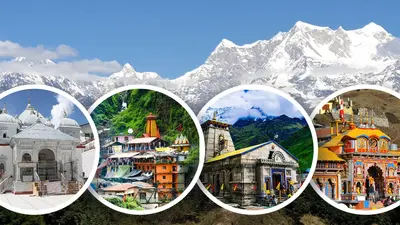
The Chardham Yatra — the sacred pilgrimage circuit covering Yamunotri, Gangotri, Kedarnath, and Badrinath — is one of India’s most celebrated and spiritually significant journeys. Each year, hundreds of thousands of pilgrims begin this trek across the Himalayan terrain, making road conditions and safety checks indispensable for a smooth pilgrimage.As the 2026 season draws closer, the Uttarakhand government, civil authorities, and transport departments have intensified preparations, focusing vigorously on road readiness, safety protocols, registration procedures, and hazard mitigation. This guide aims to collate the latest updates and safety advisories applicable for pilgrims, drivers, and tour planners.
1. Overview: Why Road Updates and Safety Matter
The Chardham routes traverse difficult Himalayan geography — narrow mountain passes, steep gradients, and areas prone to landslides, cloudbursts, and extreme weather. This makes safety planning vital not just for spiritual reasons, but for basic physical protection of life and property.
History has shown that adverse weather and unstable terrain can cause sudden route closures, landslides, and significant risks to vehicles and pedestrians along the yatra paths. For example, in recent years pilgrim access has been temporarily suspended owing to cloudbursts and landslides, especially on the Barkot‑Yamunotri stretch and near Silai Band on the Yamunotri road. Authorities took a 24‑hour halt to travel to ensure safety and clear debris before resuming services.
2. Road Maintenance and Strategic Infrastructure Upgrades
2.1 Identification of Accident‑Prone Zones
Ahead of the 2026 season, Uttarakhand transport authorities and safety committees have conducted extensive surveys of Chardham routes. A critical part of these surveys involved identifying 544 accident‑prone spots along major stretches of the pilgrimage roads.
These high‑risk zones include sharp curves, steep gradients, narrow passages, and areas historically subject to slippage. Local authorities, in collaboration with the National Highways Authority of India (NHAI), Border Roads Organisation (BRO), and Public Works Department (PWD), have prioritized these locations for:
-
Road surface repairs
-
Installation of rumble strips
-
Chevron visibility boards
-
Crash barriers
-
Reflective signage and additional lighting
-
Removal of roadside debris
These improvements aim to reduce the risk of vehicle skidding, loss of control, and collisions — all of which are more likely in mountainous conditions.
2.2 Prioritizing Road Widening and Slope Stabilization
Authorities have accelerated efforts to widen critical road segments where possible, especially where traffic congestion is severe. However, widening mountain roads is complex and requires careful consideration of landslide risk and slope stability.
In some areas, road expansion was carried out despite warnings from experts about future landslide vulnerability. Continuous monitoring and stabilization work — using netting, rock bolts, and protective barriers — helps reduce immediate hazards.
3. Weather‑Driven Road Closures and Real‑Time Monitoring
3.1 Weather Alerts and Temporary Suspension
The India Meteorological Department (IMD) issues regular weather forecasts for Uttarakhand, especially during the monsoon season (July–September) when road slides and cloudbursts are common.
In June and July 2025, for instance, heavy rains and cloudbursts repeatedly disrupted pilgrim traffic, and routes were closed based on official weather warnings. In several instances authorities temporarily halted travel as a precautionary measure until conditions stabilized.
These suspensions, while inconvenient, are essential safety checkpoints that prevent major accidents and ensure rescue teams can provide prompt assistance if required.
3.2 Enhanced Communication via Technology
To improve real‑time alerting and coordination, the Uttarakhand government is rolling out enhanced communication channels among officials and local enforcement. One such initiative involves using WhatsApp groups to share alerts, warnings, weather updates, and emergency information along various segments of the Chardham routes.
This practical use of technology speeds up dissemination of critical information — such as sudden road closures due to landslides — allowing on‑ground teams to respond quickly and keep pilgrims informed.
Pilgrims are similarly encouraged to follow official social media channels, WhatsApp alerts, and Uttarakhand Tourism updates to stay informed about route availability and weather checks during their journey.
4. Mandatory Registration and Travel Documentation
To smooth traffic flow and enhance safety monitoring, registration for the Chardham Yatra 2026 is compulsory. All pilgrims — whether travelling on foot, by private vehicle, or via commercial transport — must complete registration in advance, either online or at designated checkpoints.
4.1 Green Card and Trip Card System
The ‘Green Card’ and ‘Trip Card’ system is a special vehicle registration process introduced for Chardham road management:
-
Green Card: Mandatory for all vehicles entering Uttarakhand from outside, including private and commercial vehicles, aiming to regulate traffic and environmental safety.
-
Trip Card: Issued at checkpoints to vehicles on pilgrimage routes, ensuring that only permitted vehicles are on narrow, sensitive mountain roads.
This ensures controlled entry of vehicles, reduces congestion, and helps law enforcement track travel movement for emergency response if needed.
5. Vehicle Safety Checks and Driver Requirements
Across the Chardham circuit, only vehicles that pass strict fitness and compliance checks are allowed. This includes:
-
Vehicle fitness certificates
-
Functional brake systems, tyres, and steering
-
First‑aid kits
-
Fire extinguishers
-
Tow rope and wooden planks
In past seasons, the government mandated that drivers — especially on commercial vehicles — must have a hill endorsement license due to the challenging driving conditions. This ensures commercial drivers are sufficiently experienced in mountain driving.
Authorities also monitor that no driver is undertaking the pilgrimage route after prolonged driving without rest, and backup drivers may be required for long itineraries.
6. Helicopter Services and Aerial Safety Checks
Many pilgrims use helicopter services to reduce time and avoid challenging road segments. For Chardham 2026, significant safety enhancements are in place:
-
The DGCA (Directorate General of Civil Aviation) has ordered special audits and enhanced oversight of helicopter operators to ensure stricter technical compliance and weather review before flights.
-
Enhanced pre‑flight checks, technical inspections, and pilot competence reviews are part of improved aviation safety protocols.
-
Some helicopter services temporarily suspended operations in the past for safety reviews, underscoring the importance of ongoing aircraft safety oversight.
7. Traffic Management and On‑Ground Enforcement
Pilgrim traffic on Chardham routes is massive — often reaching hundreds of thousands each season. To handle this:
-
Roads have been organized into 15 super zones, 41 zones, and 137 sectors, each monitored by police and traffic staff on a 24‑hour patrol basis.
-
Over 6,000 officers are deployed to regulate traffic, manage accidents, perform crowd control, and assist with emergencies.
-
Police checkpoints and control posts ensure orderly vehicle movement, limit congestion at narrow stretches, and enforce speed and safety protocols.
This structure helps prevent bottlenecks and enables quicker response to dangerous situations like rockfalls or sudden storms.
8. Weather Patterns and Ideal Timing for Travel
While the traditional Chardham pilgrimage remains open mainly from May to October, travellers should be mindful of monsoon risks:
-
July and August often bring heavy rainfall, landslides, and route disruptions.
-
September and October are often considered safer due to reduced rains and clearer conditions, making roads less vulnerable to slides.
-
Some pilgrims choose early season (May–June) for clearer post‑winter routes, though crowding and vehicle load peak during this period.
Pilgrims should plan buffer days, avoid tight itineraries, and check weather forecasts before departure.
9. Health, Medical Aid, and Emergency Services
Road safety is not limited to accidents alone. The terrain’s altitude and ruggedness can lead to health issues:
-
Many operators now include oxygen support and daily health monitoring for pilgrims, especially senior citizens, to manage altitude effects.
-
Medical relief posts, ambulance services, and rapid response units are now more common along critical stretches, enabling quick care for injuries or altitude‑related distress.
Pilgrims with pre‑existing health conditions should consult their physicians before travel, carry essential medications, and maintain hydration.
10. Final Tips for a Safe 2026 Chardham Yatra
To maximize safety and enjoyment:
-
Complete registration and required documentation before departure.
-
Check Green Card/Trip Card requirements for your vehicle.
-
Stay updated on weather warnings from IMD and local authorities.
-
Opt for professional drivers with hill experience.
-
Allow buffer days in your itinerary for unexpected closures.
-
Pack emergency supplies, first‑aid kits, and communication devices.
-
Stay connected with official WhatsApp alerts, tourism advisories, and regional traffic updates.
-
For helicopter travel, confirm DGCA‑approved safety checks and weather clearance for flights.
Conclusion
The Chardham Yatra 2026 promises to continue its rich tradition of spiritual fulfillment. With enhanced infrastructure, safety procedures, and advanced communication systems in place, authorities are striving to ensure that pilgrims can undertake the journey with greater peace of mind and physical security.
Whether you’re planning to travel by road or helicopter, ahead of the pilgrimage season it’s important to stay updated on road conditions, follow safety advisories, and allow for flexibility in your travel plans to accommodate weather and route variations.
May your Chardham Yatra be safe, smooth, and spiritually uplifting!
-


