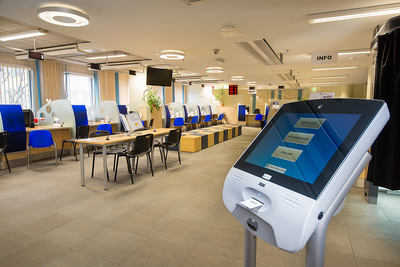
Streamlining Visitor Check-Ins in UAE Hospitals with Smart VMS
-
Visitor check-ins have become a critical part of hospital operations, especially in a fast-paced environment where safety, hygiene, and compliance are top priorities. Today, healthcare organizations are increasingly adopting digital systems like a Visitor Management Solution in UAE to simplify entry procedures, maintain accurate logs, and enhance the overall experience for patients, staff, and guests. As hospitals continue to modernize their workflows, smart VMS technology has emerged as a vital tool in creating secure, efficient, and patient-friendly healthcare environments.
Why UAE Hospitals Need Smart Visitor Management Systems
Hospitals in the UAE experience high foot traffic daily—patients, family members, contractors, delivery personnel, and vendors. Managing all these visitors manually leads to long queues, inaccurate record-keeping, and increased security risks.
1. Enhanced Security and Access Control
Smart VMS systems allow hospitals to pre-screen visitors, capture IDs digitally, issue temporary badges, and restrict entry to sensitive areas. This improves overall security and reduces unauthorized access.
2. Faster and Contactless Check-Ins
Digital check-in kiosks, QR codes, and mobile passes eliminate paperwork, enabling visitors to enter the facility quickly without crowding reception areas.
3. Improved Hygiene and Infection Control
Post-pandemic safety standards require hospitals to limit physical interaction. Contactless VMS solutions support touch-free check-ins, minimizing contamination risk.
Key Features of Smart VMS Technology for Hospitals
Modern visitor management technology offers a range of advanced tools that are particularly beneficial in healthcare environments.
1. Pre-Registration for Appointments
Visitors and patient companions can pre-register online, reducing wait times and helping hospitals manage peak hours more efficiently.
2. ID Scanning and Verification
Smart VMS systems scan Emirates IDs, passports, or driver’s licenses to verify visitor identity instantly. This ensures accurate records while reducing manual errors.
3. Digital Health Declarations
Hospitals can require visitors to complete health questionnaires electronically before entry—an essential feature introduced during the pandemic.
4. Automated Badge Issuance
Digital or printed visitor badges clearly showcase access levels, visit purpose, and time limits, increasing transparency throughout the facility.
5. Real-Time Visitor Tracking
Hospital security teams can monitor visitor movement in real time, ensuring sensitive zones like ICUs, maternity wards, and labs remain secure.
6. Integration With Access Control Systems
When integrated with hospital access control systems, VMS can automate door access, further improving operational efficiency and safety.
Benefits of Smart Visitor Management for Hospital Staff and Patients
Implementing a Visitor Management Solution in UAE hospitals offers value beyond check-in automation. It directly contributes to a smoother hospital experience.
Better Patient Experience
Patients benefit from reduced waiting times, quicker check-ins for family members, and a more organized visitation process. It also helps minimize overcrowding in waiting areas.
Higher Staff Productivity
Front desk staff can focus on patient care rather than managing paperwork, logging visitor details manually, or answering repetitive questions.
Stronger Compliance and Audit Trails
Hospitals can generate reports instantly, helping with compliance audits, regulatory inspections, and safety assessments.
Safer Environment for Vulnerable Patients
Real-time visitor visibility helps protect children, elderly patients, and individuals in critical care units from unauthorized or excessive visitors.
How Smart VMS Supports UAE Healthcare Standards
Healthcare facilities in the UAE must adhere to strict regulations concerning visitor identification, security monitoring, and emergency preparedness. A modern VMS helps hospitals remain compliant with:
-
Dubai Health Authority (DHA) guidelines
-
Abu Dhabi Department of Health (DOH) standards
-
Hospital security and infection-control protocols
Smart VMS also supports emergency evacuations by providing accurate, real-time visitor lists—an essential requirement for healthcare safety compliance.
Best Practices for Implementing Smart VMS in Hospitals
1. Choose a Scalable Solution
Hospitals should invest in a VMS that grows with their needs, offering custom modules for emergency rooms, ICUs, and in-patient wards.
2. Prioritize Contactless Technologies
QR codes, mobile passes, and thermal scanning support infection control efforts, a crucial factor for healthcare environments.
3. Train Staff Thoroughly
Successful implementation depends on staff understanding how to use and troubleshoot the system during peak hours.
4. Integrate With Existing Systems
Combining VMS with CCTV, access control, and hospital information systems ensures seamless operations.
5. Offer Multilingual Interface Options
Since UAE hospitals serve a diverse population, multilingual support enhances usability for both visitors and staff.
The Future of Visitor Management in UAE Healthcare
Looking ahead, UAE hospitals are likely to adopt even more advanced visitor management tools, including:
-
AI-driven facial recognition
-
Predictive visitor flow analytics
-
Remote visitor approvals via mobile apps
-
Cloud-based centralized visitor monitoring
These innovations will further improve operational efficiency, reduce wait times, and enhance the overall patient and visitor experience.
Conclusion
Smart VMS technology has redefined how UAE hospitals manage visitors by offering secure, contactless, and efficient check-ins. A modern Visitor Management Solution in UAE not only strengthens hospital security but also improves the patient journey, enhances staff productivity, and ensures compliance with local regulations. As healthcare facilities continue to innovate, adopting advanced VMS systems will be essential for creating safer and more seamless hospital environments.
-


