Categories
Tags
Archives
Granite Crushing Plant for Road Construction: Meeting Aggregate
-
Road construction requires materials that can withstand heavy traffic loads, weather conditions, and long-term wear. Aggregates form the backbone of asphalt, concrete, and base layers, making their quality critical for durable and safe roads. A granite crushing plant plays a central role in producing high-quality aggregates by controlling size, shape, and material strength according to project specifications.
High-quality granite aggregates provide superior compressive strength, resistance to abrasion, and minimal water absorption. These properties ensure that roads maintain structural integrity and reduce maintenance frequency. Contractors rely on precise crushing, screening, and grading processes at granite crushing plants to consistently meet these stringent standards.
By establishing a well-equipped granite crushing plant, construction companies can maintain a reliable supply of aggregate that meets both national and international standards, reducing project delays and ensuring compliance with regulatory requirements.
Key Processes in Granite Crushing Plants
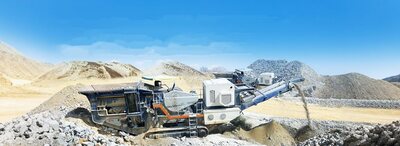
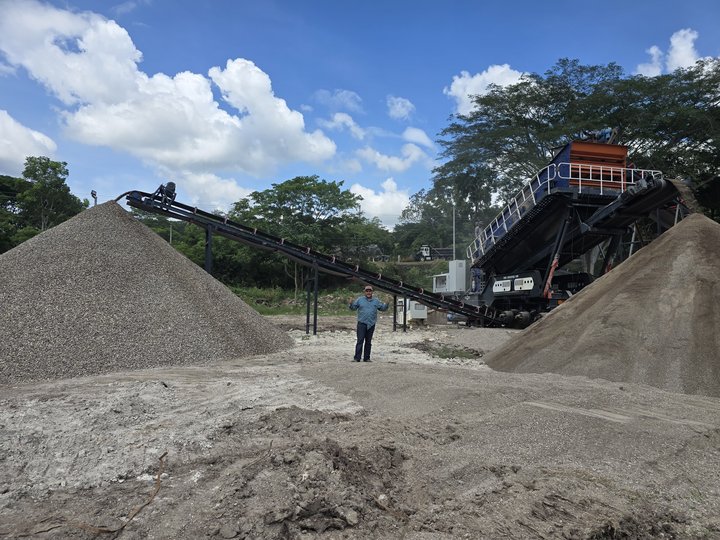
A granite crushing plant combines several processes to transform raw granite rocks into usable aggregates. The primary stages include primary crushing, secondary crushing, screening, and sometimes washing. Primary crushers reduce large granite blocks into manageable pieces, while secondary crushers achieve the desired size distribution.
Screening is critical to separate aggregates into different grades suitable for various layers of road construction, such as base course, sub-base, and asphalt concrete. Advanced plants often include vibrating screens and conveyors to streamline the separation process. Some facilities also integrate washing units to remove dust or unwanted fines, which can compromise the bonding strength of concrete or asphalt.
Proper control of these processes ensures the final product has the correct gradation, hardness, and shape. A granite crushing plant with automated controls can adjust crushing and screening parameters in real time, allowing operators to maintain aggregate quality despite variations in raw material size or hardness.
Meeting Aggregate Quality Standards
Aggregate quality standards are established to ensure road longevity and safety. Parameters such as particle size distribution, flakiness index, abrasion resistance, and moisture content are closely monitored. A granite crushing plant must be capable of producing aggregates that consistently meet these requirements for national standards such as the Malaysian Public Works Department (JKR) specifications or international standards like ASTM or BS EN.
Particle size distribution is especially important for compaction and stability. Uniform grading reduces voids in the pavement structure, enhancing strength and durability. Flakiness and elongation indices influence how well aggregates interlock, which affects the road surface’s ability to resist deformation under traffic. By continuously testing and adjusting operations, granite crushing plants ensure that all produced aggregates meet or exceed these criteria.
High-quality aggregates also improve the performance of asphalt and concrete layers by providing better workability and bonding. Construction companies can minimize cracking, rutting, and potholes, resulting in safer and longer-lasting roads.
Technology and Automation for Consistency
Modern granite crushing plants employ advanced technology and automation to enhance consistency and efficiency. Sensors, control systems, and real-time monitoring allow operators to adjust crusher settings, conveyor speeds, and screening angles to produce aggregates that adhere strictly to quality standards.
Automation reduces human error, improves production efficiency, and allows plants to process higher volumes without compromising quality. Remote monitoring tools enable supervisors to oversee multiple plants or production lines simultaneously, optimizing resource allocation and minimizing downtime. By integrating technology, granite crushing plants can adapt to varying raw material conditions while consistently producing aggregates suitable for road construction.
Maintenance and Operational Best Practices
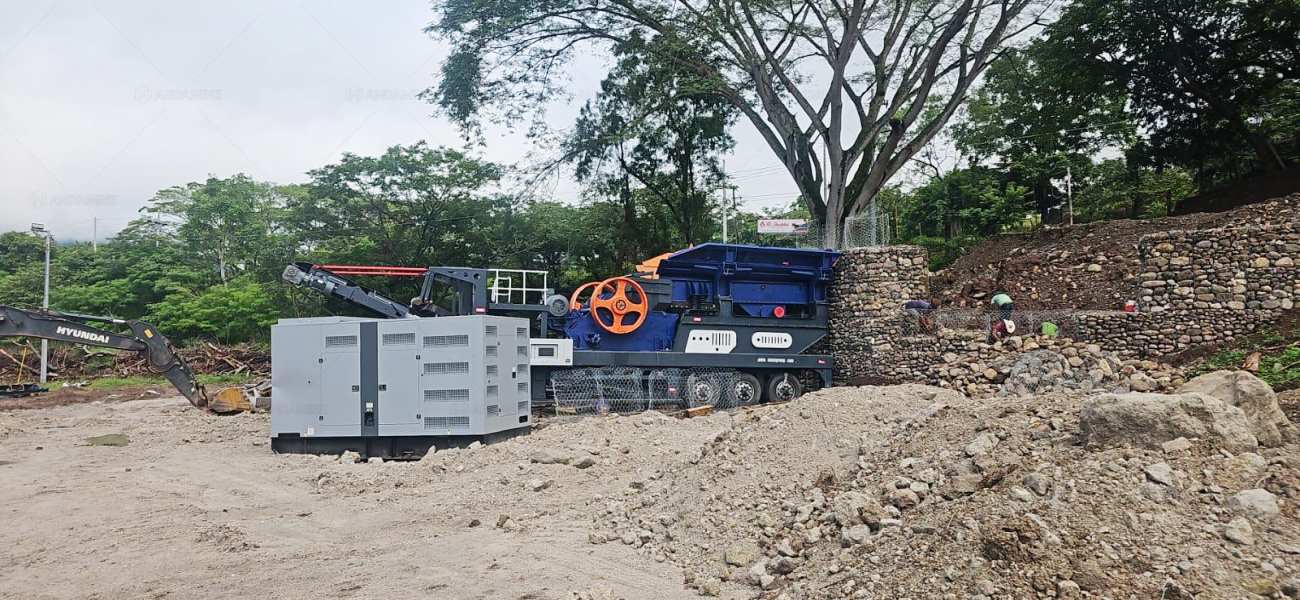
Maintaining equipment in a granite crushing plant is essential for consistent aggregate quality. Regular inspection of industrial crushers, screens, conveyors, and motors prevents equipment wear from affecting particle size distribution or producing substandard aggregates. Preventive maintenance ensures that the plant operates reliably, especially during peak demand periods for road construction projects.
Operational best practices also include proper training of personnel, efficient material handling, and adherence to safety protocols. Staff must understand the importance of aggregate quality and the impact of each stage in the crushing process. By combining skilled operation with automated controls, plants can sustain high production rates while maintaining strict quality standards.
Conclusion
A granite crushing plant is indispensable for producing high-quality aggregates essential for road construction. Through careful control of crushing, screening, and grading processes, and by integrating automation and technology, these plants ensure that aggregate standards are consistently met.
Meeting aggregate quality standards not only enhances road durability and safety but also reduces long-term maintenance costs. By investing in modern equipment, proper maintenance, and skilled operators, construction companies can optimize production and deliver superior materials for road infrastructure projects. Ultimately, a well-managed granite crushing plant serves as the backbone of reliable, safe, and long-lasting road networks.


