Categories
Tags
Archives
Portable Crusher: Flexible Crushing Solutions for On-Site Produ
-
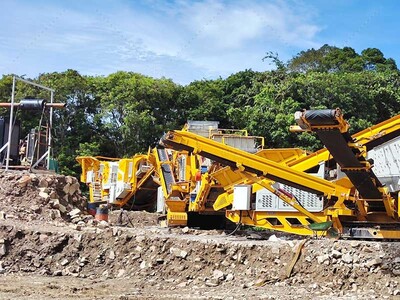
Portable crushers bring crushing power directly to material sources. They cut haulage time and suit changing job sites. This makes them vital for quarries, road building, and demolition. In this blog, we explain how a portable crusher works and why it fits many projects. We also cover portable crusher plant setups and portable jaw crusher for sale options. These insights help customers choose with confidence.
Let’s see how portability adds value in real work.
Why Choose a Portable Crusher
Traditional plants need material brought to them. This takes fuel, time and labor. A portable crusher plant moves to the material instead. It starts crushing in hours, not days. You avoid long transport and reduce traffic risks.
Also, you process only what you need. This cuts waste and lowers cost. For remote sites, portables solve access problems. They work where fixed plants can’t go.
How a Portable Crusher Plant Operates
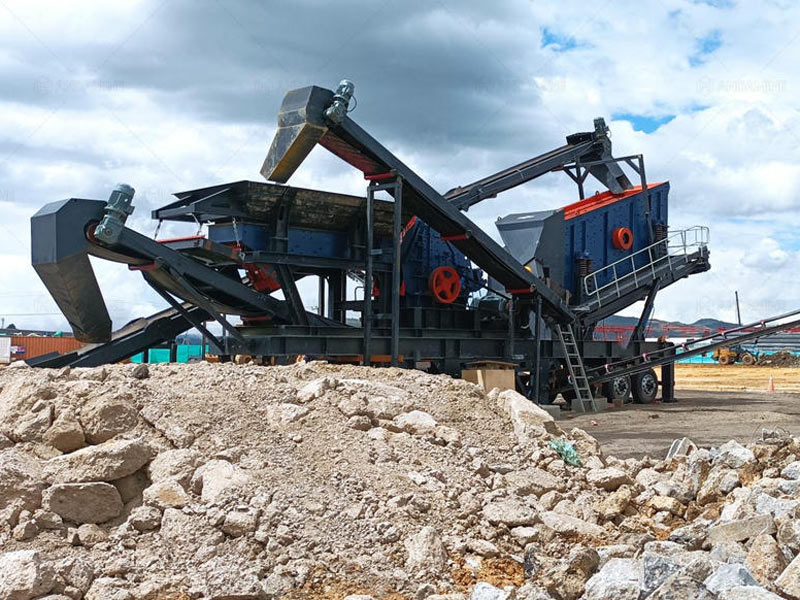
A portable crusher plant often combines crusher, screen and conveyor. It may be wheel-mounted or track-mounted. Wheeled units move fast on roads. Tracked units grip uneven or soft ground.
You park near the material, connect power and start work. Output goes to stockpiles or next machines. Some plants include washing units to clean sand and gravel. This setup gives sorted product straight from the pit.
Types of Portable Crushers and Their Uses
Jaw crushers handle large, hard rock in primary crushing. They suit granite, basalt and similar stone. Impact crushers shape softer stone and recycle debris. Cone crushers refine size and shape for high-spec aggregates.
When looking at portable jaw crusher for sale, check feed opening and capacity. Make sure it matches your usual rock size and daily tonnage. Picking the right type lifts output and cuts wear.
Key Benefits of Portable Jaw Crusher for Sale Options
A portable jaw crusher for sale offers fast setup and mobility. You move it between benches in a quarry or to new demolition sites. This avoids double handling of material.
It also needs less civil work. You skip large foundations and long conveyor builds. Less setup means shorter project lead times and lower initial cost.
Matching Plant to Site and Material
Not all sites suit the same plant. Rocky hills need tracks for grip. Flat roads favor wheels for speed. Wet or muddy ground asks for higher clearance and stable positioning.
Also, match crusher type to material. Hard rock asks for strong jaws. Mixed demolition waste works well with impact units. Right match means smoother run and longer machine life.
Factors to Check Before Buying
First, review capacity in tons per hour. It should meet your production goal. Next, inspect condition and operating hours. Low hours and good records mean fewer early repairs.
Ask for clear price details. Check if transport, setup or basic tools are included. Also, verify service support and spare parts access. These steps help avoid surprise costs with your portable crusher plant.
Mobility Advantages in Remote Areas
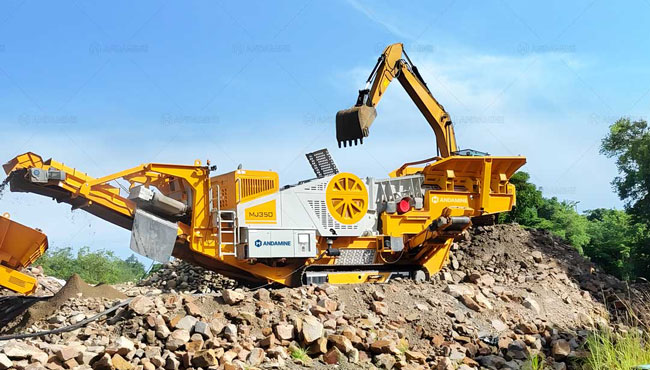
Many projects sit far from cities. Roads may be narrow or weak. A portable unit reaches these zones without building new access. You crush near the pit or excavation.
This is common in island works, mountain roads and pipeline projects. Short hauls keep fuel use low and schedules on track.
Maintenance Tips for Long Service Life
Inspect daily for wear and loose parts. Clean dust from radiators and intakes. Clogged cooling paths cause overheating. Lubricate moving parts as makers recommend.
Use climate-suited oils in cold or hot regions. Replace jaw plates and screens before they harm output. Quick fixes keep your portable crusher running steady.
Controlling Dust and Noise on Site
Dust from crushing affects health and breaks rules. Fit water sprays or misting units on portable crusher plant machines. Use rubber skirts and seals on conveyors.
Check noise near workers and neighbors. Add barriers or enclosures if needed. Good control keeps work legal and maintains good relations.
Cost Control in Portable Crushing Projects
Initial price is only part of total cost. Factor in fuel, wear parts, labor and transport. A low-priced unit may need costly repairs soon.
Balance purchase cost with durability and support. Reuse crushed material on site to cut bought aggregate needs. This protects margins on big jobs.
Safety Practices for Portable Crushers
Secure all moving parts with guards. Mark danger zones clearly. Train crews in emergency stops and fire response.
Check stability on slopes and soft ground. Keep access paths clear. Safe work protects people and avoids costly accidents.
Conclusion: Smart Use Brings Steady Gains
A portable crusher gives flexible, on-site crushing for many project types. A portable crusher plant combines machines for full processing. A portable jaw crusher for sale offers quick setup and mobility.
Check capacity, condition and support before buying. Prepare sites, train crews and maintain well. With these steps, portable crushers become reliable tools. They help you meet project goals on time and within budget.


