
Categories
Tags
Archives
Environmental Considerations in Quartz Crushing Plant Construct
-
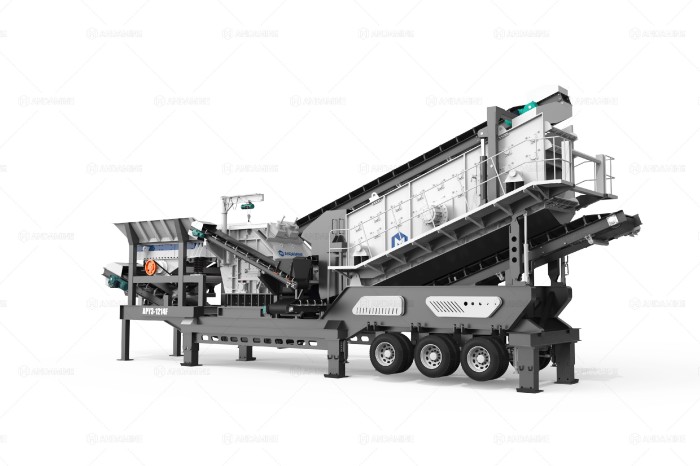
Quartz is a widely used mineral in industries ranging from glass and ceramics to electronics and construction. The processing of quartz, however, involves significant crushing, screening, and material handling, which can generate environmental challenges if not properly managed. With the increasing focus on sustainability, companies are adopting environmentally conscious practices in quartz crushing plant construction and operation. This not only ensures regulatory compliance but also enhances efficiency and community acceptance. Additionally, the integration of mobile crusher plants has become a viable solution for reducing environmental impact while maintaining operational flexibility.
Site Selection and Planning
One of the first environmental considerations in building a quartz crushing plant is site selection. The plant should be located away from residential areas and sensitive ecosystems to minimize noise, dust, and visual impact. Proper planning ensures that natural water bodies, wildlife habitats, and agricultural land are protected.
Environmental assessments, including soil and water testing, help identify potential risks associated with plant operations. These assessments guide the design of drainage systems, dust control measures, and noise barriers, ensuring the plant’s footprint aligns with sustainable practices. In this context, mobile crusher plants offer an advantage as they can be temporarily deployed on-site, minimizing the need for permanent construction and reducing disruption to the surrounding environment.
Dust Control Measures
Dust generation is a primary concern in quartz crushing operations, as fine quartz particles can be hazardous to workers and surrounding communities. Effective dust management strategies include:
-
Enclosed Crushing Systems: Modern quartz crushing plants often incorporate enclosed crushers and conveyors to limit dust escape.
-
Water Sprays and Misting Systems: Spraying water at critical points, such as feed hoppers and discharge conveyors, suppresses airborne particles.
-
Dust Collection Units: Bag filters and cyclones capture dust from plant exhaust, preventing environmental contamination.
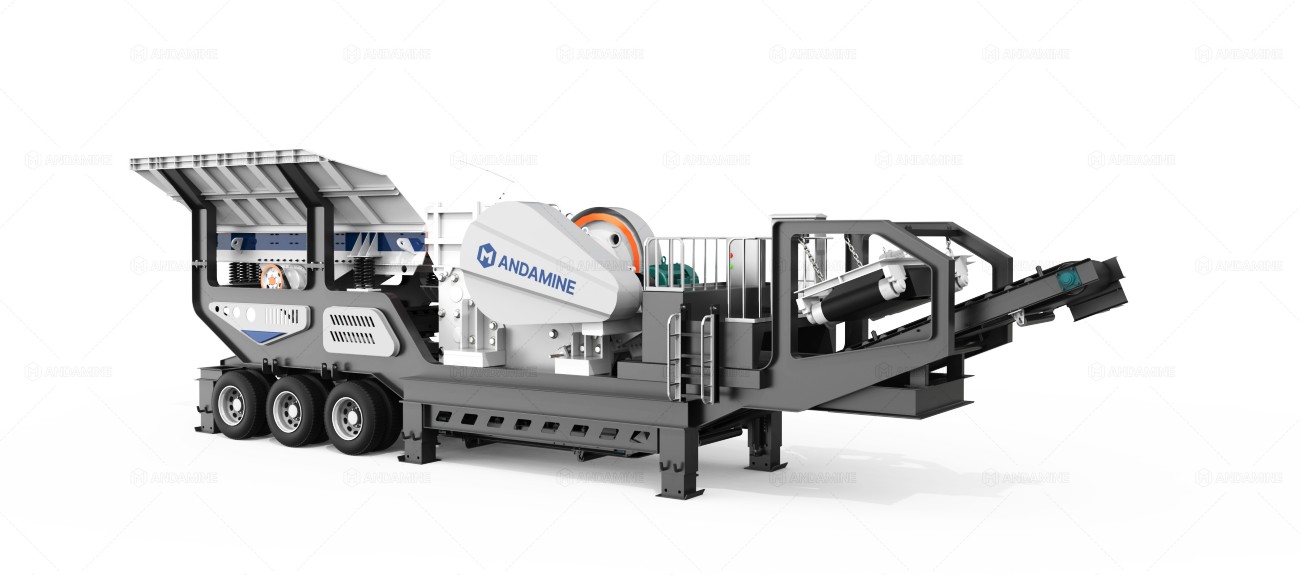
Mobile crusher plants are particularly effective in dust control because they are often equipped with integrated dust suppression systems. Their ability to process material closer to the excavation site reduces transportation-related dust emissions, further lowering environmental impact.
Noise Reduction
Noise pollution is another significant factor in quartz crushing plant operations. Crushers, conveyors, and vibrating screens generate high decibel levels, which can affect workers and nearby communities. Environmental considerations for noise reduction include:
-
Installing sound barriers or acoustic enclosures around noisy equipment.
-
Using vibration-damping mounts for crushers and screens.
-
Implementing operational schedules to avoid night-time or peak-hour disturbances.
Mobile crusher plants are inherently quieter in operation because they reduce material handling distances and often come with low-noise crushers designed for on-site deployment. Their mobility allows operators to position plants strategically to minimize noise exposure to sensitive areas.
Water and Waste Management
Quartz processing requires water for dust suppression, washing, and cooling. Proper water management is critical to prevent soil and water contamination. Strategies include:
-
Recycling process water through settling ponds and filtration systems.
-
Preventing runoff from stockpiles and processing areas into natural waterways.
-
Regular monitoring of water quality to comply with local regulations.
Waste management is equally important. Overburden, tailings, and fines should be properly stored or repurposed. For example, fine quartz particles can be used as filler in construction materials, reducing the amount of waste sent to landfills. Mobile crusher plants minimize waste generation by crushing material directly at the source, reducing the need for stockpiling and extensive handling.
Energy Efficiency and Carbon Footprint
Environmental considerations extend to energy consumption and carbon emissions. Quartz crushing plants consume significant electricity, primarily for crushers, conveyors, and auxiliary systems. Implementing energy-efficient equipment such as high-performance jaw and cone crushers, variable frequency drives (VFDs), and energy-optimized conveyors reduces both operational costs and environmental impact.
Mobile crusher plants contribute to energy efficiency by reducing the transportation of raw material to central processing facilities. By crushing material on-site, fuel consumption associated with haul trucks and material handling is minimized, lowering overall carbon emissions.
Regulatory Compliance and Monitoring
Compliance with local and international environmental regulations is essential. Quartz crushing plants must adhere to standards regarding dust emissions, noise levels, water discharge, and land use. Implementing monitoring systems, including dust sensors, noise meters, and water quality testing, ensures that the plant operates within permitted limits.
Mobile crusher plants simplify regulatory compliance in some cases, as their temporary deployment often reduces permanent environmental impact and allows for easier adaptation to site-specific environmental conditions.
Sustainable Practices and Community Engagement
Finally, sustainable operation of a quartz crushing plant involves community engagement and social responsibility. Companies can adopt practices such as:
-
Rehabilitating quarry sites after material extraction.
-
Planting trees or creating green buffers around the plant.
-
Conducting regular environmental awareness programs for workers and local communities.
Mobile crusher plants support these initiatives by limiting permanent infrastructure and allowing quick site restoration after operations, aligning with sustainable mining and processing practices.
Conclusion
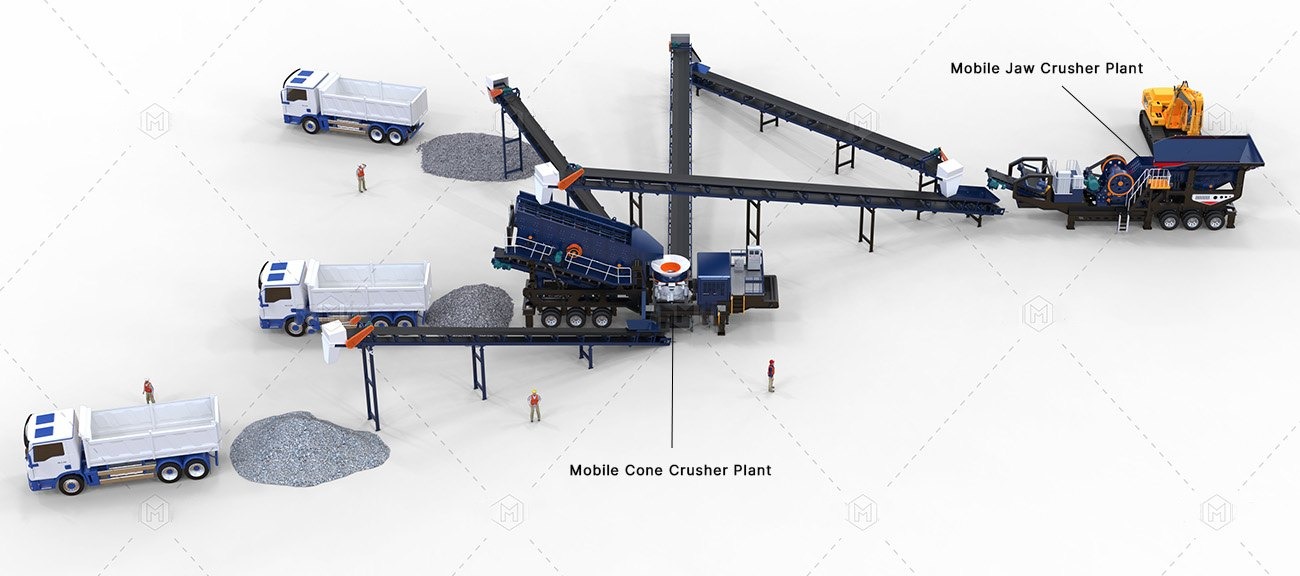
Environmental considerations in quartz crushing plant construction and operation are essential for sustainable industrial growth. Dust, noise, water management, energy consumption, and regulatory compliance are critical factors that require careful planning and implementation. The adoption of mobile crusher plants provides additional benefits by minimizing site disruption, reducing transportation-related emissions, and facilitating compliance with environmental standards.
By integrating modern technologies, energy-efficient equipment, and mobile processing solutions, quartz crushing plants can achieve high productivity while maintaining a low environmental footprint. Sustainable practices not only protect natural resources but also enhance the reputation of companies in the eyes of regulators, stakeholders, and local communities, ensuring long-term operational success.
-


