RSorder OSRS: Surprisingly Competitive Stall Stealing
-
One of the standout additions for combat and Slayer training comes in the form of new dragon and griffin variants. Regular griffins, often overlooked compared to their stronger counterparts, offer respectable Slayer experience with relatively low effort. With proper weight management and the right combat style, they're fragile enough to RuneScape gold kill quickly and can provide consistent Slayer XP without heavy requirements.
Frost dragons, unlocked through Sailing progression, are another major highlight. Despite lacking a Slayer level requirement, they can still be assigned as tasks by select masters. Their strong elemental weakness to fire makes them ideal for Magic training, especially when paired with fire-boosting gear. Frost dragons strike a strong balance between relaxed gameplay, solid Magic XP, and valuable drops that remain in steady demand.
Prayer: New Bones, Questionable Efficiency
The introduction of new creature types also brought new bones into the game. While these bones technically offer high Prayer experience when used on gilded altars, their current market prices make them inefficient for most players. Traditional dragon bones remain a better balance of cost and XP.
That said, passive Prayer experience through bonecrusher use while killing new monsters provides a steady trickle of XP with no added cost, making it a sensible long-term option rather than a primary training method.
Runecrafting: Faster Astral Access
Runecrafting didn't receive direct new content, but clever optimization has improved existing methods. Using Sailing-based teleports to reach the Astral altar cuts down travel time significantly compared to older routes. With the full Runecrafting outfit and proper teleport management, Astral runecrafting now offers solid experience rates alongside reliable profit, especially appealing given the low cost of essence.
Construction: A Less Click-Intensive Alternative
Construction training received a subtle but impactful option through the introduction of whole parts. Mahogany hole parts, in particular, offer competitive XP rates while requiring far fewer clicks than traditional training methods like mahogany homes. While slightly more expensive per experience point than ultra-budget options, the reduced intensity makes this method attractive for players looking for a balance between efficiency and comfort.
Lower-tier variants such as teak hole parts can be used for cheaper training, though higher-tier woods are generally not recommended due to poor cost efficiency.
Herblore: New Potions, Unsettled Prices
Several new potions entered the game alongside new ingredients, expanding Herblore training options. These potions often provide strong effects-such as extended stamina duration or powerful combat boosts-but their GP-per-XP efficiency remains volatile due to limited supply.
While these methods offer decent experience rates for their levels, most players may want to wait until prices stabilize before committing to them for long-term training. There's also uncertainty around whether faster one-tick production methods will be possible in the future.
Thieving: Surprisingly Competitive Stall Stealing
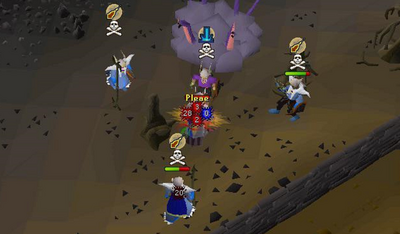
One of the most unexpected training methods comes from new thieving stalls at Port Roberts. Unlike traditional stalls, these have infinite stock but rotating guards. By following guard movement patterns, players can achieve strong XP rates with minimal clicking.
At higher levels, this method rivals classic training options like Pyramid Plunder while being significantly less demanding. For players who value low-intensity training, this is one of cheap OSRS GP the most exciting additions in recent years.


