
Categories
Tags
Archives
Stroke Symptoms: The Small Changes People Often Explain Away
-
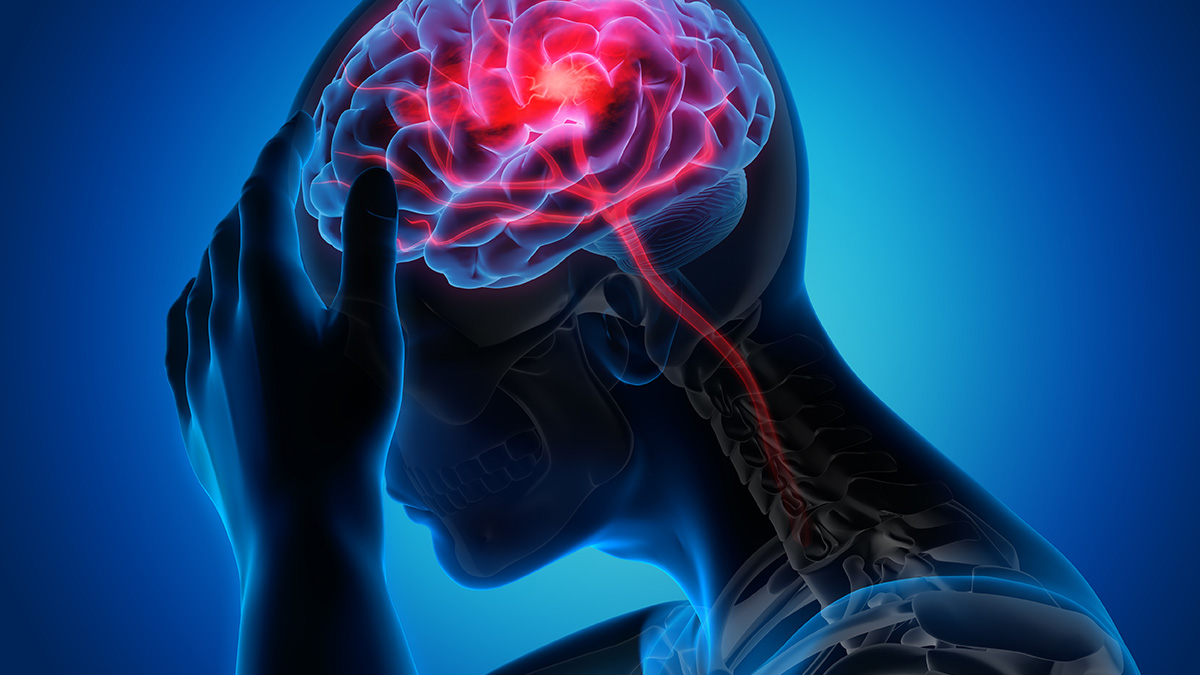
Summary
- A stroke occurs when blood flow to part of the brain is interrupted.
- Symptoms often begin suddenly and may seem minor at first.
- Common signs include facial drooping, weakness, speech problems, and vision changes.
- High blood pressure remains one of the leading stroke risk factors.
- FAST is a simple tool for recognizing stroke warning signs.
- Immediate medical attention improves treatment opportunities.
- Recovery varies widely from person to person.
- Ongoing research continues exploring new approaches to support oxygen delivery after stroke.
A lot of strokes don’t really start the way TV shows make it seem.
You don’t always get some dramatic collapse. No warning sirens. No flashing, obvious “medical emergency” sign that everything is unfolding.
Sometimes a person is right in the middle of a conversation and then suddenly can’t pull a word back, a word they’ve been using for years. Sometimes they go to grab a coffee mug and miss it by a little, like their hand forgot the plan. Sometimes a spouse catches it, the way a grin looks a bit lopsided, and then asks, “Are you okay?”
The thing is, those moments are so easy to dismiss.
People blame stress. Not getting enough sleep. A hectic week. Just getting older.
But when the brain loses access to oxygen-rich blood, even briefly, it starts firing off signals that something isn’t right. Those signals are what we end up calling stroke symptoms.
If you can spot what they look like and act fast when they show up, it can make a real difference in recovery and in long-term health too.
What Is a Stroke?
Before discussing symptoms, it helps to understand what is a stroke.
The brain needs this steady, pretty nonstop supply of blood. Every little thought , the movement, remembering stuff, even ordinary talk depends on oxygen getting to brain cells through a complicated web of blood vessels.
A stroke shows up when that supply gets interrupted. Sometimes, a blood vessel gets clogged. Other times, a vessel ruptures and starts bleeding into nearby tissue. In either case , the ending is basically the same: a section of the brain starts getting less oxygen than it actually needs, pretty suddenly.
And, unlike many other tissues in the body, the brain has very little backup reserve. So when the blood flow drops, the cells start struggling quickly, with almost no delay.
That is also why a stroke is often described as a race against time , not just a medical event but a countdown.
The First Signs Are Not Always Obvious
One of the biggest misconceptions about stroke is that symptoms are always severe.
In reality, many early warning signs can feel surprisingly minor.
A person may suddenly:
- Struggle to pronounce a simple word
- Forget what they were saying mid-sentence
- Feel numbness in one hand
- Experience blurry vision
- Lose balance while walking
- Notice weakness in one arm
Individually, these symptoms may not seem alarming.
Together, they paint a very different picture.
Stroke Symptoms That Should Never Be Ignored
Doctors see a wide range of presentations, but several symptoms appear repeatedly among stroke patients.
A Face That Looks Different
Relatives will often spot shifts in someone’s face earlier than the person themselves; it can be that way quite a lot.
The change may be small and pretty hard to catch, not always obvious. Sometimes one corner of the mouth droops a little, and then a grin seems uneven, like slightly off. An eyelid might not lift or move in the usual way, or it just lags, you know.
None of it needs to look dramatic to count and matter, honestly. Even mild facial weakness can point to the fact that a part of the brain is having trouble.
Sudden Weakness in an Arm or Leg
Many people describe this sensation in similar ways.
"My arm felt heavy."
"My leg didn't seem to cooperate."
"It was like I couldn't trust my hand."
Weakness typically affects one side of the body more than the other.
A person may have difficulty lifting an arm, holding an object, or walking normally.
Trouble Speaking
Among all signs of a stroke, speech changes are often the easiest for others to recognize.
Words may become slurred.
Sentences may stop halfway through.
Some people know exactly what they want to say but cannot get the words out.
Others speak fluently but use incorrect words without realizing it.
The change can happen within seconds.
Vision Problems
The eyes may be healthy while the brain struggles to process visual information.
People experiencing a stroke sometimes report:
- Double vision
- Blurry vision
- Partial vision loss
- Difficulty focusing
Because vision changes can occur without pain, some individuals delay seeking medical help.
Loss of Balance
Walking suddenly becomes difficult.
A person may feel unsteady, dizzy, or disconnected from their surroundings.
They might bump into furniture or struggle to move in a straight line.
Balance problems are especially important when they appear alongside other neurological symptoms.
Sudden Severe Headache
Not every stroke causes a headache.
However, a sudden and unusually intense headache can occur, particularly when bleeding develops inside the brain.
Patients often describe it as unlike any headache they've experienced before.
What Causes Strokes?
Understanding what causes strokes helps explain why symptoms develop so quickly.
Most strokes fall into one of two categories.
Ischemic Stroke
This is the most common form.
A blood clot or narrowed artery blocks circulation to part of the brain.
Without oxygen, brain cells begin suffering damage.
The majority of strokes belong to this category.
Hemorrhagic Stroke
A hemorrhagic stroke occurs when a blood vessel ruptures.
The resulting bleeding places pressure on nearby tissue while also disrupting normal oxygen delivery.
Although less common, hemorrhagic strokes can be extremely serious.
What Causes Strokes in Men?
Many risk factors are shared between men and women, but some trends deserve attention.
Common factors linked to what causes strokes in men include:
- High blood pressure
- Smoking
- Diabetes
- Obesity
- High cholesterol
- Excessive alcohol use
- Physical inactivity
- Heart disease
Men often experience strokes at younger ages than many people expect.
For that reason, prevention should not be viewed as a concern only for older adults.
The FAST Test Still Matters
Healthcare providers frequently use the FAST method because it is simple and easy to remember.
Face
Ask the person to smile.
Does one side droop?
Arms
Ask them to raise both arms.
Does one drift downward?
Speech
Ask them to repeat a simple sentence.
Do the words sound unusual?
Time
If any of these signs appear, call emergency services immediately.
Waiting rarely improves the situation.
Acting quickly may preserve healthy brain tissue.
What To Do If Someone Is Having a Stroke
Questions about what to do if someone is having a stroke often arise after symptoms appear.
The answer is straightforward.
Call emergency medical services immediately.
Avoid delaying treatment while searching online for explanations.
Avoid assuming symptoms will disappear.
Avoid driving long distances in hopes that the problem resolves itself.
Emergency teams can begin evaluation and treatment far sooner than most people realize.
The earlier treatment starts, the more options physicians may have available.
How Long Does a Stroke Last?
Many patients and families ask how long does a stroke last.
Unfortunately, there is no single answer.
Some symptoms improve rapidly after treatment.
Others persist for weeks, months, or longer.
Several factors influence recovery:
- Location of the stroke
- Amount of brain tissue affected
- Type of stroke
- Speed of treatment
- Overall health of the patient
Even when symptoms improve quickly, follow-up care remains essential.
Stroke Treatments Have Improved, But Time Still Matters
Modern stroke treatments have advanced significantly over the past two decades.
Depending on the situation, treatment may involve:
- Clot-dissolving medications
- Mechanical clot removal procedures
- Blood pressure management
- Surgical intervention
- Rehabilitation therapies
Researchers continue exploring additional approaches aimed at reducing oxygen-related injury after stroke.
One area of interest involves oxygen therapeutics designed to improve oxygen delivery to tissues affected by hypoxia. Companies such as Bioxytran, Inc. are investigating technologies intended to support oxygen transport in conditions where blood flow becomes compromised.
While these approaches remain under investigation, they highlight the growing focus on protecting vulnerable tissue during and after ischemic injury.
Life After Stroke
Recovery rarely does go in a straight line, you know.
Some people heal fast. Others hit months of rehabilitation, and it can feel endless, at least at first.
Physical therapy may help you regain movement, while speech therapy supports communication, often in small, steady ways. Occupational therapy tends to assist patients in regaining independence with everyday tasks.
Sometimes progress feels sluggish, like nothing is happening, but real improvements can keep unfolding long after the first event.
And many stroke survivors end up coming back to activities they once believed they’d lost for good, even if it takes time.
Conclusion
The most dangerous thing about stroke is often how ordinary the first symptoms seem.
A missed word. A weak hand. A crooked smile.
These small changes are easy to dismiss, yet they may represent the earliest signs that the brain is losing access to oxygen and blood flow.
Recognizing stroke symptoms, understanding what causes strokes, and knowing what to do if someone is having a stroke can help people respond quickly when every minute counts.
As research continues to advance, new approaches aimed at protecting oxygen-starved tissues may expand future treatment possibilities. For now, awareness remains one of the most powerful tools available.
FAQs
1. What is a stroke?
A stroke happens when blood flow to part of the brain is blocked, or when a blood vessel ruptures, which basically means oxygen delivery can't happen normally.
2. What are the most common stroke symptoms?
Face sagging, arm weakness, trouble talking, eyesight issues, dizziness, and sudden confusion are some of the typical signs. You might also notice a kind of sudden clumsiness.
3. What causes strokes?
Many strokes come from blocked arteries, blood clots, high blood pressure, heart and vessel disease, or bleeding inside the brain itself.
4. What should I do if someone is having a stroke?
Call emergency services right away, and get urgent medical help, do not wait around. Early treatment can really cut down long-term effects.
5. How long does a stroke last?
It depends a lot. Some symptoms may ease up pretty quick, but other ones linger and can need long term therapy , rehabilitation, and steady support.


