Categories
Tags
-
#manufacturers
#Suppliers
#LifeVest
#SurfWetsuit
#Wetsuit
#ManWetsuit
#Diving
#SurfingWetsuit
#womanwetsuit
#Wetsuits
#Neoprene
#rashguard
#drysuit
#triathlon
#diving boot
#life jacket
#manufa
#Triathlon Wetsuit
#children wetsuit
#kids wetsuit
#glove
#hood
#wholesale
#neoprene fabric
#diving wetsuit
Archives
The Special Features of Drysuits: Beyond Keeping You Dry
-
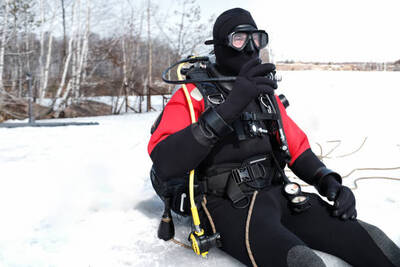
Drysuits are more than just waterproof gear—their design is engineered for extreme conditions, blending protection, adaptability, and safety. Here’s what makes them stand out.
First, total waterproofing is their defining trait. Unlike wetsuits, drysuits use impermeable materials like Gore-Tex or latex, sealed tightly at the wrists, ankles, and neck with neoprene gaskets. These seals lock out water entirely, a game-changer for frigid environments where even a drop of cold water can risk hypothermia.
Another key feature is customizable insulation. Since they keep you dry, warmth comes from layers worn underneath—fleece, thermal tops, or even down jackets. This flexibility lets you adjust to shifting temperatures, from icy ocean dives to cold-weather kayaking.
Durability is built in, too. Reinforced panels at the knees, elbows, and seat withstand scrapes against rocks or equipment, while tough zippers (often metal or heavy-duty plastic) resist corrosion from saltwater. Many models also include utility features: pockets for tools, D-rings to attach gear, and adjustable waistbands for a snug fit.
Mobility, though less than wetsuits, is surprisingly functional. Modern designs use stretchable waterproof fabrics, allowing enough movement for activities like ice diving or whitewater rafting. Some even have rear-entry zippers for easier solo use.
In essence, drysuits excel in extremes, combining watertight protection with adaptability. Their features make them indispensable for anyone facing cold, wet conditions where staying dry isn’t just comfortable—it’s critical.
-
QingTian Li likes this


