Categories
Tags
-
#manufacturers
#Suppliers
#LifeVest
#SurfWetsuit
#Wetsuit
#ManWetsuit
#Diving
#SurfingWetsuit
#womanwetsuit
#Wetsuits
#Neoprene
#rashguard
#drysuit
#triathlon
#diving boot
#life jacket
#manufa
#Triathlon Wetsuit
#children wetsuit
#kids wetsuit
#glove
#hood
#wholesale
#neoprene fabric
#diving wetsuit
Archives
The Professional Guide to Choosing Diving Boots
-
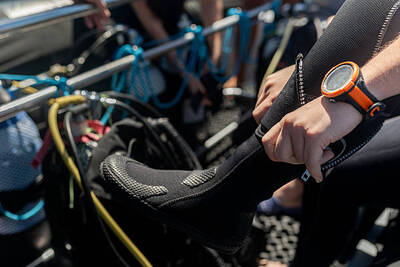
Selecting the right pair of diving boots is a critical step in assembling your gear, directly impacting your comfort, safety, and efficiency underwater. Unlike ordinary footwear, diving boots serve as specialized protective tools designed for a demanding environment. Their primary roles are to provide essential thermal insulation for your feet, protect against sharp and abrasive surfaces like coral or rocky shore entries, and offer vital traction on slippery boat decks. Perhaps most importantly, they form the crucial interface between your foot and your fin, ensuring a secure and responsive fit that translates your energy into effective propulsion.
When beginning your selection, the first consideration is the boot type, which is dictated by your diving environment and exposure suit. The classic shortie bootie, ending at the ankle, is a versatile choice for warmer waters and boat diving, offering simplicity and ease of use. For colder conditions or technical diving with a drysuit, an adjustable high-top boot with a robust zipper or strap becomes necessary to seal warmth in and keep water and debris out. For the freediver or traveler using full-foot fins, a minimalist bootie or sock provides just enough protection without sacrificing the precise fin feel.
The construction and materials of the boot are where performance truly differentiates. The upper is typically made from neoprene, with higher-grade rubber offering better stretch and durability for its thickness. The lining is a key factor in warmth; a soft, thermal fleece lining significantly enhances comfort and insulation in cool water. However, the sole is arguably the most critical component. A rigid, non-slip rubber sole is indispensable for any shore diving or walking on rough surfaces, providing essential protection and grip. For exclusive boat-to-water diving, a lighter, flexible sole may suffice, prioritizing packability and fin articulation.
Getting the fit correct is non-negotiable. The boot should feel snug and secure without any pinching or restriction of circulation, and it must be tried on with the same sock you intend to dive in. A proper fit minimizes heel lift, which can cause blisters, and ensures your foot is stable within the fin pocket. Finally, and most crucially, your diving boot choice is intrinsically linked to your fin selection. Open-heel fins are sized specifically to accommodate a booted foot. Therefore, you must always cross-reference the manufacturer’s sizing chart for your fins with the thickness of your chosen boots to guarantee a perfect, safe, and efficient match in the water. By carefully evaluating your diving style, environment, and gear synergy, you invest in boots that provide a foundation of safety and comfort for every dive.
-
QingTian Li likes this


