How Do Brands Create a Premium Unboxing Feel?
-
Unboxing is the moment when a customer opens a package and sees the product for the first time. It is not only about the product inside but also about the feeling created during opening. A good unboxing moment feels smooth, clean and thoughtful. The box opens in a way that makes the customer slow down and notice small details. Even simple products can feel special when the packaging is done with care. This moment builds an emotional link between the brand and the buyer.
How does packaging design change customer feelings?
Packaging design influences first impressions even before the product becomes visible inside the box. Structured layout inside packaging creates a sense of order and clarity that guides customer attention during the opening process. Proper spacing and alignment inside the package make the experience smooth and reduce confusion during interaction with the product.
Poor design often creates the opposite effect because unclear structure or difficult opening process reduces customer interest quickly. Good packaging design balances both appearance and function so the customer feels comfortable during the entire interaction. When structure supports easy access and organized presentation the product appears more meaningful and customer perception becomes more positive throughout the experience.
How does storytelling inside packaging work?
Storytelling inside packaging involves inclusion of small written messages, brand notes or visual elements that communicate brand identity and purpose. These elements guide customer understanding of brand background and create emotional connection during the product opening process. Written messages inside boxes can explain brand values or simply express gratitude toward customer purchase decisions.
Short notes placed inside packaging creates personal interaction between brand and customer because communication feels direct and intentional. A simple thank you message or brand story increases emotional value of purchase and transforms standard transactions into memorable experiences. The customer begins to associate the brand with a positive feeling generated during the unboxing moment.
How do colors and textures change mood?
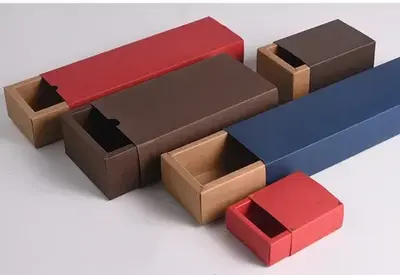
Color selection plays an important role in shaping the emotional response of customers during the unboxing experience, cardboard sleeve packaging for ecommerce brands. Light color tones often create a calm impression while strong color tones attract attention and generate excitement depending on product type. Brands select color combinations based on the message they want to communicate through packaging design.
Texture adds another layer of sensory experience during interaction with the package surface. Smooth finish creates controlled and clean perception while rough or natural texture gives a simple and organic impression. Combination of color and texture creates balanced visual and physical experience that influences customer perception even before product usage begins.
How do inserts and product placement matter?
Internal arrangement inside packaging affects how customers view product organization and value. A well organized layout inside the package creates a sense of order that improves customer satisfaction during the opening process. Clear structure inside the box allows the customer to view each item without confusion. Organized placement also communicates care from brand side because preparation shows attention given during the packing stage before delivery reaches customer hands.
How do small brands create a premium feel on a budget?
Small brands can improve packaging experience without large investment by focusing on structure cleanliness and consistency. Simple folding methods, clear printing and proper alignment inside packaging create organized appearance that improves perception of quality. Even basic packaging becomes more effective when the arrangement inside the box follows a proper system.
Small additions such as printed notes or simple insert improve overall experience without high cost. Focus remains on presentation rather than expensive materials because customer perception depends more on organization and clarity rather than price of packaging components. Proper planning allows small brands to compete with larger companies in the customer experience area.
How do companies use packaging for social sharing?
Many companies design packaging in a way that encourages customers to share experience online through photos or videos. Attractive arrangement and smooth opening process motivate customers to capture moments and post on social platforms. This behavior increases brand visibility without paid promotion.
In regions like the USA , sharing unboxing experiences has become a common habit among online buyers because customers enjoy showing their purchase journey to others. Shared content builds trust for new buyers because real user experience appears more reliable than traditional advertisement methods. Social sharing turns packaging into a marketing tool that works through customer participation.
What role do Packlim and UPacked play in packaging solutions?
Packaging service providers help brands improve product presentation through structured packaging solutions that focus on usability and design balance. UPacked supports businesses by developing packaging systems that match product type and brand identity while maintaining practical use for shipping and display needs.
Another solution includes custom retail sleeves by UPacked which help improve product appearance without changing full box structure. These sleeves wrap around packaging and add an organized presentation layer that enhances visual structure.
How can businesses start improving unboxing today?
Businesses can begin an improvement process by making small changes in packaging structure instead of complete redesign. Better alignment, cleaner layout and simple internal organization can immediately improve customer experience during the opening process. Focus on clarity and ease of access creates stronger impact than complex design changes. Some modern brands prefer UPacked to improve their unboxing experience.
Over time additional elements such as notes, improved materials and better arrangement can be added gradually. The main goal remains making the opening experience simple, clear and memorable for customers. When a customer feels comfortable during unboxing trust increases and the long term relationship with the brand becomes stronger supporting future growth and repeat purchase behavior.


