
Categories
Tags
-
#medical equipment
#Custom Letterhead
#Paper Boxes
#Veterinary Surgical Sutures
#vet poison
#trained dog
#Senior pet
#prbiotic gut health
#absorable sutures
#Surgical staples
#put down cat
#probiotic
#independent living
#surgical suture\
#home vet service
#project based learning
#website maintenance
#camera rental NYC
#mold removal
#f Independent Living for Seniors
#Home Vet Services
#Caricol
#Assisted Living
#Monofilament suture
#LiDAR Scanning NYC
#Blood pressure Cat
#Corporate Gifting
#Craft Kits
#Semantic SEO
#Surgical Glue
#Garage Mold Remova
#prevent mold growth
Archives
What are Prebiotics? | The Complete Guide to Prebiotics
-
Prebiotics are indigestible fibers that are the food sources for the trillions of beneficial bacteria and yeast living in the human gut.
The beneficial bacteria in our gut are often referred to as “probiotics” and help regulate digestive health and many essential processes in the human body. As such, prebiotics for gut health play an important role in supporting probiotics and are a necessary component for a healthy digestive system and overall wellbeing.
Fibers are long chains of carbohydrate sugars that break down slowly and provide sustained energy.
The most common prebiotic fiber is inulin and it's produced in over 36,000 types of plants. Other typical forms of prebiotics are oligosaccharides, fructo-oligosaccharides, galacto-oligosaccharides, and resistant starch.
You can get these fibers from food, such as leafy vegetables, whole grains and legumes.
Unfortunately, it is estimated that only 5% of Americans meet the recommended daily fiber intake.
Prebiotic vs Probiotic: What’s the Difference?
It can be easy to confuse the two terms, but there is a difference between prebiotics and probiotics.
Probiotics are the beneficial bacteria that live in your intestines. They help regulate your digestion and metabolism, support immune function and even cognition and mood.
Prebiotics are simply strong plant fibers you eat but can’t digest, but the bacteria can.
Probiotics need that food source to flourish into healthy bacteria and beat out the negative bacteria in your gut. When prebiotics and probiotics are taken together, they are considered a “synbiotic,” a superior product giving the beneficial bacteria a stronger chance of survival and growth in the digestive tract.
Interestingly, different probiotic bacteria prefer different prebiotic food sources, which is why it’s important to consume a diverse set of fibers.
There’s one more reason why prebiotics are so important: a lot of beneficial bacteria cannot be taken as a probiotic supplement, because they are anaerobic (oxygen is harmful to them) and can’t survive outside the gut. So, the only way to help them become a stronger part of your gut ecosystem is to feed them what they need from the inside: prebiotics!

How Do Prebiotics Help with Gut Health?
Prebiotic fibers are mostly too tough and indigestible for humans. They don’t break down in the stomach, but travel all the way down to the large intestine. Here, they are fermented by bacteria and yeast, producing short-chain fatty acids (SCFAs) that the gut bacteria then consume. This is one of the key ways prebiotics support overall gut function.
Prebiotics have a fantastic effect on the gut because those SCFAs tend to feed only helpful bacteria, while inhibiting potentially harmful or unwanted microorganisms. This is due to the lower pH level that occurs in the colon as a result of the fermentation process, which harms pathogens (bad bacteria, viruses, and fungi) and helps bacteria like lactobacilli and bifidobacteria.
By increasing the amounts of helpful bacteria relative to those of harmful bacteria, prebiotics have an indirect and powerful effect on the microbiome and how it affects the body, with or without the addition of probiotic supplements or fermented foods like kimchi, sauerkraut, or yogurt.
Every benefit that probiotics provide the body can be supported and enhanced by the consumption of prebiotics. Studies even show that those effects often come down to the specific type of prebiotic consumed.
For example, lactulose has a stronger effect than other types of prebiotics on the improvement of calcium absorption. The type of prebiotic you consume may have a direct influence on a positive outcome in your health.
Brain Function
As mentioned above, one of the reasons to take prebiotics is that they are key in supporting probiotics in the body. Probiotics can help improve mood, memory, and learning and adding a prebiotic may help.
Several clinical studies show positive effects on the nervous system after the administration of a prebiotic, most significantly in recall and memory in adults, depending on the kind of prebiotic taken.
Fructooligosaccharides (FOS) and Glucooligosaccharides (GOS) specifically help regulate neurotransmitters, synaptic proteins, and neurotrophic factors.
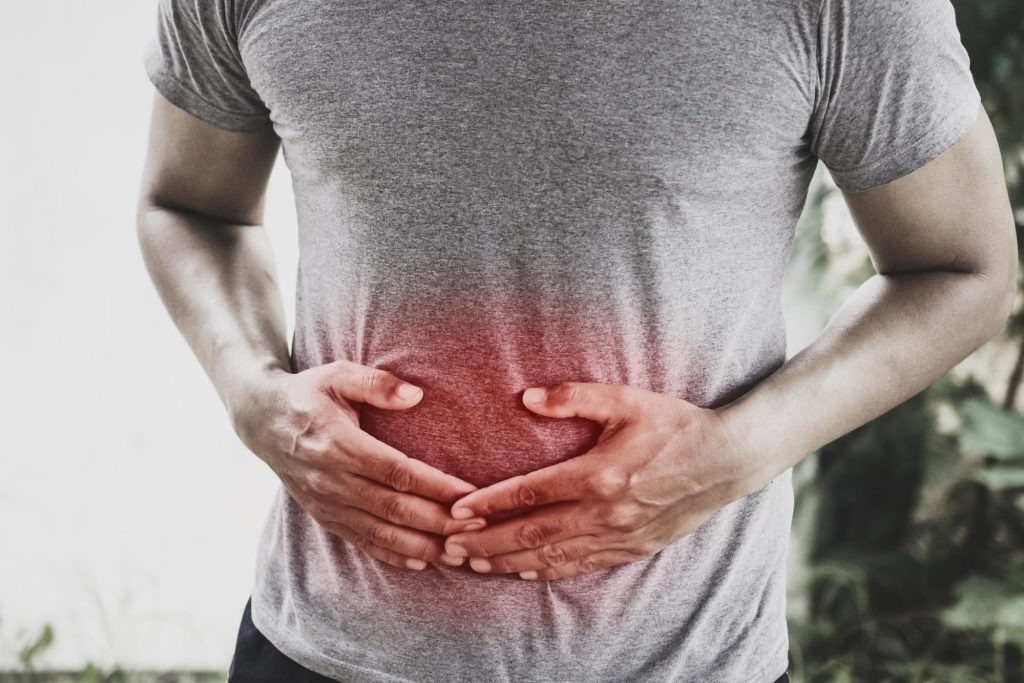
Irritable Bowel Syndrome (IBS)
Numerous studies with probiotics have shown a conclusive improvement in the symptoms of IBS patients, particularly with strains of Lactobacillus and Bifidobacterium.
Patients with IBS have a marked lack of bifidobacteria, so the addition of prebiotics alone, without the introduction of new bacteria, would leave little if anything for the prebiotic to work on.
This may be why early studies with prebiotics alone have not confirmed any change in IBS symptoms. When prebiotics are taken as a synbiotic together with probiotics, the probiotic bacteria have a greater chance of reproducing in the system.
Immune System
Prebiotics help Lactobacillus and Bifidobacterium flourish in the gut. These two friendly bacteria are extremely important in the functioning of the immune system. Notably, the intestines are the largest immune organ in the body and gut health affects immunity.
Prebiotics also increase immunity molecules like cytokines. Furthermore, when taken with a viral vaccine, prebiotics improved the body’s antibody response.
Health Benefits of Prebiotics
Prebiotics aren’t merely a food source which assist the microbiota to flourish. The short-chain fatty acids (SCFAs) they become after fermentation also have several important direct effects on the body.
Those SCFAs are small enough to enter the bloodstream, and travel to organs throughout the body, where they’re used as an energy source for numerous different processes. The most common types of SCFAs produced are butyrate, propionate, and acetate.


