
Categories
Tags
-
#Luxury Kitchen Renovation
#luxury home remodeling Hamptons
#Hamptons home renovation
#luxury renovation Hamptons
#remodeling contractor Hamptons
#Hamptons custom home builders
#home remodel company
#Hamptons luxury homes
#coastal home remodeling
#smart home renovation
#digital-first healthcare
#patient engagement technology
#digital patient communication
#healthcare chat support
#patient portals and apps
#healthcare self-service tools
#online appointment booking
#real-time healthcare updates
#clinic scheduling systems
#patient experience software
Archives
How Outdoor Adventures Help Students Develop Real-World Skills
-
Education is not limited to classrooms, textbooks, and exams. Some of the most valuable lessons students learn come from hands-on experiences that challenge them to think, adapt, and work with others. Adventure education programs PA provide students with opportunities to step outside their comfort zones, explore new environments, and develop practical skills that support personal and academic growth. Through outdoor activities, teamwork challenges, and problem-solving experiences, students learn important abilities that prepare them for real-world situations.
Outdoor adventures create an environment where students can learn by doing. Whether they are navigating trails, participating in group activities, solving challenges, or exploring nature, they gain confidence and develop skills that are difficult to teach through traditional methods alone. These experiences encourage independence, leadership, communication, and resilience while helping students understand how their actions affect others.
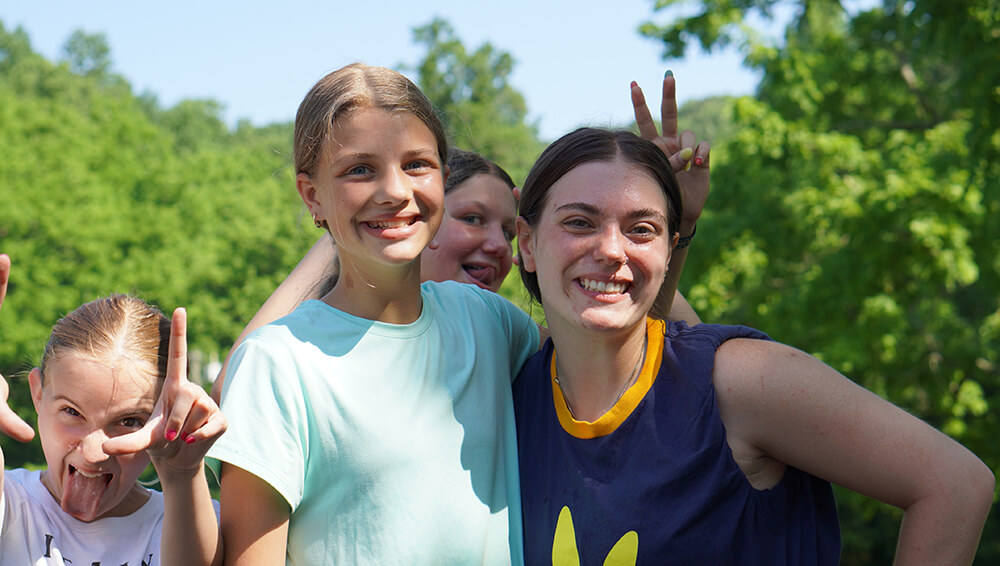
Building Confidence Through New Experiences
One of the most important advantages of outdoor education is building students’ confidence as they learn to deal with new experiences. Giving students the chance to try a new activity, accomplish something difficult, or conquer their own fear makes them more aware of their own abilities. Students conquering challenges that are outside their usual activities build their confidence to conquer challenges in all parts of their lives.
Many of the outdoor activities are based on students having to think and take responsibilities. For instance an activity such as a team challenge or learning a new outdoor skill are based on concentration, patience and determination. Every little achievement builds selfconfidence and encourages the students to see challenges with a positive attitude.
Developing Problem-Solving and Critical Thinking Skills
Practical application of outdoor education is necessary for any real success. The ability to figure out what is going on, make a decision and solve problems is vital. Outdoor pursuits naturally lead students to utilize these skills. Several activities encourage participants to:.
Unlike classroom assignments that usually have one correct answer, outdoor challenges may have more than one right solution, and students realize that erros are common and that changing your source of action may be very effective. Such experience in finding solutions enables students to become flexible thinkers.
Strengthening Teamwork and Communication
Good communication and teamwork are very important at school, in our careers and at home. Going outside and doing outdoor activities gives the students the chance to learn and develop these skills. For example, the outdoor activities often involve working in teams and so the students have to listen to others, put forward ideas and arguments, take on ideas from others, respect different points of view and help each other.
By working toward a goal with others, students realize the value of cooperation and trusting others; they learn that all members are capable and that they can not achieve success without each other‘s help. These lessons help students develop better relationships and become a more respected team member.
Encouraging Leadership and Responsibility
The outdoor environment can give students opportunities to practice leadership in a non-threatening context. Leadership does not solely comprise issuing commands, but also supporting others, making rational choices and taking responsibility for results.
Students might get a chance to show leadership in the group. Perhaps the students have the chance to organize, coordinate, and motivate the other team members in an activity. This will help students understand the balance between taking initiative while understanding the importance of teamwork. Even an introverted student can discover leadership skills once placed in an environment that promotes participation.
Improving Resilience and Adaptability
Life is full of challenges, change, and surprises. Playing outdoors helps teach students that when something doesn’t go as planned, to stay calm, adapt, and move forward.1 Whether facing weather changes, a hard task, or a collaborative task, students learn about sticking through things.2
Students with resilience find it easier to overcome set-backs and setbacks, and are more likely to rise to the challenge by exhibiting a positive, problem-solving approach to difficulties. They are more likely to view challenges as a chance to get better and this could have a beneficial effect on their overall education, relationships and future career.:
Connecting Students With Nature and Healthy Activities
Outdoor activities also foster student understanding of the environment. Being outside promotes development of an interest in nature, natural ecology, and concern for the health of the environment. It allows students to experience the outdoors in comfortable, healthy ways while learning about relationships and their personal development.
Participating in activities outdoors may also enable students to de-stress and concentrate better. Learning in natural environments gives students time away from regular schedules and technology and can give them a chance to rejuvenate themselves and take in their surroundings.
Creating Meaningful Learning Opportunities Through Outdoor Programs
As schools, families, and community groups all pay more attention to experiential learning, adventuring outdoors becomes an increasingly popular way of learning these big life pieces. Outdoor program provides a structured experience for students to learn these aspects of life and enjoy it at the same time. The programs will incorporate the excitement of adventure together with learning.
The skills gained from programs that focus on the outdoors are lifelong skills. Lessons learned from these experiences are on-going, carried far beyond into the world of the students, teachers, and leaders.
Give Students an Experience That Builds Skills for Life
Selecting the appropriate program can enhance students’ confidence and autonomy, as well as inspire a sense of teamwork. Positive experiences at day and overnight camps, for example, can encourage students to develop in their ability to interact with peers and acquire skills that are transferable to the real world in a fun and stimulating context.
From a one-day adventure to a 10 day out door experience, the benefits can last a life time. An effective outdoor program provides opportunities for youth to see what they are capable of, push their limits and take skills away with them for life.
Conclusion
Offering outdoor recreation for students is about much more than recreation. It is about providing opportunities for participant development, skill development, and meaningful learning. Whether through teamwork, problem solving activities and challenges, leadership development opportunities or hands-on challenges and experiences outdoor recreation has more to offer students than recreation.
Through their use of outdoor education, students will develop the skills of communicating, persevering, and building their confidence. These skills are important during their years in school, as well as years to come.
FAQs
1. How do outdoor adventures help students learn real-world skills?
Outdoor activities provide students the opportunity to learn communication, team work, problem solving, leadership, and decision making skills through their active participation in the problem situations in the actual field.
2. Are outdoor education programs suitable for all students?
Yes, outdoor education programs be adapted to fit the age, skill and experience levels. Activities are modified so that students can participate fully but be challenged.
3. What skills can students gain from adventure-based learning?
It allows students to gain confidence, build resilience, become more adaptable, to acquire communication skills, leadership skills and ability to work with other people. These skills help students excel at school, workplace and life.


