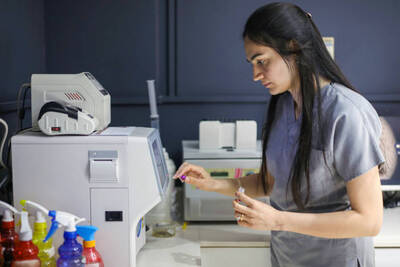
Ultrasound Services for Accurate Diagnostic Imaging
-
Ultrasound services provide non-invasive imaging to help diagnose and monitor various medical conditions. Using high-frequency sound waves, trained technicians create detailed images of internal organs, tissues, and blood flow. These services are essential for pregnancy monitoring, detecting abnormalities, and guiding treatment plans. Available at clinics, hospitals, and through home service providers, ultrasound tests are safe, painless, and an important tool for timely and accurate medical assessment.
What Ultrasound Services Entail
Ultrasound Services involve the use of high-frequency sound waves to create real-time images of organs, tissues, and blood flow within the body. Unlike X-rays or CT scans, ultrasound does not use ionizing radiation, making it a safe option for repeated use and for sensitive populations such as pregnant women. It is widely used for monitoring fetal development, evaluating abdominal organs, detecting vascular conditions, and guiding certain interventional procedures. The accuracy of ultrasound relies on the expertise of trained technicians, high-quality equipment, and proper patient preparation, ensuring reliable diagnostic information that informs effective treatment plans.
Types of Ultrasound Services
A broad range of Ultrasound Services exists, each tailored to specific diagnostic needs. Obstetric ultrasound is essential for monitoring pregnancy, assessing fetal growth, and identifying potential complications. Abdominal ultrasound examines organs such as the liver, kidneys, pancreas, and gallbladder to detect abnormalities like cysts, stones, or tumors. Vascular ultrasound evaluates blood flow, helping diagnose conditions such as clots or arterial blockages. Additionally, musculoskeletal ultrasound assesses joints, tendons, and muscles, while echocardiography evaluates heart structure and function. Each type serves a unique purpose, contributing to early detection, prevention, and personalized patient care.
Advantages of Ultrasound Services
Ultrasound Services offer numerous benefits, including safety, convenience, and real-time imaging capabilities. The non-invasive nature of ultrasound reduces patient discomfort while providing immediate results that facilitate timely medical decisions. Unlike some imaging modalities, ultrasound can be performed at the bedside or in outpatient settings, making it accessible for a wide range of patients. The ability to evaluate soft tissues, blood flow, and organ movement in real time gives clinicians critical insights that improve diagnostic accuracy. Furthermore, ultrasound is cost-effective compared to other imaging methods, offering high-quality care without excessive financial burden.
How to Select a Reliable Provider
Choosing a provider for Ultrasound Services requires careful consideration of experience, accreditation, and equipment quality. Licensed imaging centers and clinics adhere to strict safety protocols and maintain trained sonographers who can perform accurate examinations. Visiting the facility, reviewing patient feedback, and confirming staff credentials help ensure that the provider meets professional standards. Patients should also inquire about the range of services offered, the availability of advanced imaging techniques, and turnaround times for reports. Transparent communication between patients, families, and medical staff is critical for optimal outcomes and peace of mind.
Incorporating Technology in Ultrasound
Technological advancements have significantly enhanced Ultrasound Services, improving resolution, diagnostic accuracy, and patient experience. Modern machines offer 3D and 4D imaging capabilities, allowing detailed visualization of structures that were previously difficult to assess. Doppler ultrasound provides dynamic evaluation of blood flow, which is vital for diagnosing vascular conditions. Portable ultrasound devices enable bedside assessments and rapid triage in emergency settings. Integration with electronic medical records ensures that images and reports are readily accessible to physicians, streamlining communication and facilitating collaborative care. These innovations continue to make ultrasound an indispensable tool in modern medicine.
Common Challenges and Solutions
Despite its many advantages, patients may encounter challenges such as scheduling delays, variability in image quality, or unclear explanations of findings. Selecting a provider with experienced sonographers, modern equipment, and clear reporting protocols can mitigate these concerns. Preparing patients with pre-examination instructions, such as fasting for abdominal scans, enhances accuracy. Open dialogue between clinicians, technicians, and patients ensures that results are interpreted correctly, and follow-up steps are clearly communicated. Proactive management of these challenges ensures that Ultrasound Services remain reliable, efficient, and patient-centered.
Safety and Accuracy Standards
Ensuring safety and diagnostic accuracy is essential in Ultrasound Services. Providers follow strict hygiene protocols, perform regular equipment calibration, and maintain quality control measures. Continuous education and certification of sonographers uphold professional standards and ensure that examinations meet clinical guidelines. Patients can further safeguard their care by confirming the facility’s accreditation, observing procedural practices, and seeking clarification on the interpretation of results. Combining technical expertise with patient-focused care ensures that ultrasound remains a dependable diagnostic tool across a wide spectrum of medical conditions.
Role of Ultrasound in Preventive and Specialized Care
Ultrasound Services play a crucial role in preventive healthcare, allowing early detection of diseases before symptoms manifest. Routine screening for vascular disorders, organ anomalies, and prenatal monitoring can identify issues early, reducing the risk of complications and improving long-term outcomes. Specialized ultrasound applications, such as contrast-enhanced imaging or elastography, provide additional layers of diagnostic insight. This proactive approach empowers patients and clinicians to implement timely interventions, optimize treatment strategies, and maintain overall wellness.
Future Trends in Ultrasound Services
The future of Ultrasound Services is marked by innovation and expanding applications. Artificial intelligence is being integrated to assist in image analysis, enhancing precision and reducing the likelihood of human error. Portable and handheld devices are making ultrasound more accessible in remote or underserved areas. Advances in 3D and 4D imaging, as well as fusion imaging that combines modalities, are enhancing the ability to detect subtle anomalies. These trends highlight the ongoing evolution of ultrasound technology, ensuring that it continues to provide critical diagnostic support in an increasingly patient-centered healthcare environment.
Frequently Asked Questions
What conditions can be diagnosed using ultrasound?
Ultrasound can assess fetal development, abdominal organs, heart function, vascular conditions, musculoskeletal injuries, and guide interventional procedures.
Is ultrasound safe for pregnant women and children?
Yes, ultrasound does not use ionizing radiation, making it safe for repeated examinations, including in pregnancy and pediatric care.
How should I prepare for an ultrasound scan?
Preparation depends on the type of scan; for abdominal ultrasounds, fasting may be required, while other scans may have no special instructions.
How long does an ultrasound procedure take?
Most scans take between 15 to 45 minutes, depending on the complexity and area being examined.
Are ultrasound results immediately available?
Preliminary images can often be viewed during the scan, but detailed reports may take a few hours to a few days, depending on the facility and specialty.
Conclusion
Ultrasound Services provide an essential, non-invasive method for diagnosing, monitoring, and guiding treatment across a broad spectrum of medical conditions. By combining advanced technology with skilled professionals, these services offer safe, accurate, and timely insights into patient health. Families and patients benefit from real-time imaging, personalized care, and reduced dependence on more invasive procedures. For those seeking reliable diagnostic imaging, Chughtailab offers comprehensive ultrasound and radiology services designed to meet diverse healthcare needs. To Learn More about available imaging options and ensure precise diagnostic care, visit their service page.


