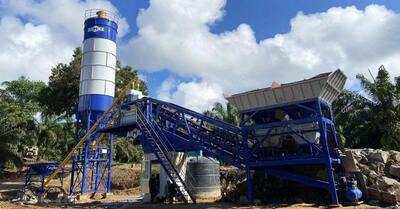
Mobile Concrete Batching Plant Design Evolution
-
The mobile concrete batching plant has undergone a remarkable transformation over the past few decades. What began as a simple, transportable version of stationary batching equipment has evolved into a highly intelligent, automated, and data-driven production system. This evolution reflects broader trends in the construction industry, including the demand for flexibility, efficiency, sustainability, and digital integration. Understanding how mobile concrete batching plant design has progressed helps contractors and investors make informed decisions in an increasingly competitive market.
Early Stage: Basic Mobility and Simple Configuration
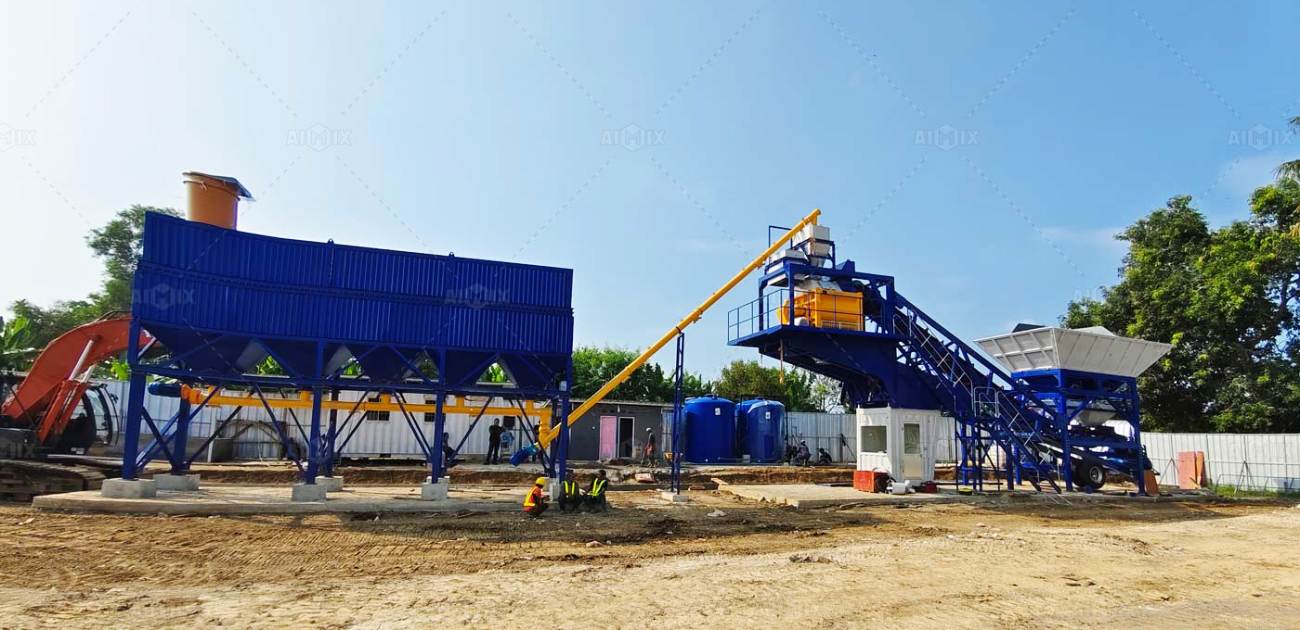
In the early stages, the primary goal of a mobile concrete batching plant was portability. Traditional stationary plants required significant civil foundation work and long installation times, making them unsuitable for short-term or geographically dispersed projects. To address this, manufacturers introduced mobile versions mounted on trailers or chassis systems.
These early mobile plants typically featured:
-
Basic aggregate bins and manual feeding systems
-
Simple drum or twin-shaft mixers
-
Limited automation, often relying on manual control panels
-
Minimal weighing accuracy and batching precision
While these plants significantly reduced installation time and improved site flexibility, they had clear limitations. Production capacity was relatively low, and the lack of automation made it difficult to ensure consistent concrete quality. However, for small projects, rural construction, and temporary worksites, they provided a practical solution.
Development Phase: Improved Structure and Semi-Automation
As construction projects became more complex and quality standards increased, mobile concrete batching plant design entered a development phase focused on improving both structure and performance. Manufacturers began integrating more advanced components and refining plant layouts.
Key improvements during this phase included:
-
Modular structural design for faster assembly and disassembly
-
Enhanced weighing systems for aggregates, cement, water, and additives
-
Introduction of semi-automatic control systems
-
Better mixing technology for improved concrete uniformity
The addition of electronic weighing and control systems marked a turning point. Operators could now achieve more accurate batching, reducing material waste and improving consistency. At the same time, optimized layouts allowed for more efficient material flow, increasing overall productivity.
This stage also saw the emergence of medium-capacity mobile plants, making them suitable not only for small projects but also for infrastructure works such as road construction and bridge building.
Advanced Stage: Full Mobility and Integrated Systems
With advancements in engineering and manufacturing, mobile concrete batching plants evolved into fully integrated systems capable of delivering performance comparable to stationary plants. The focus shifted from simple mobility to high efficiency combined with rapid deployment.
Design innovations in this stage included:
-
Fully integrated units combining batching, mixing, and control systems on a single chassis
-
Hydraulic folding mechanisms for quick setup and relocation
-
Compact yet high-capacity configurations
-
Improved dust collection and environmental protection systems
These features significantly reduced installation and relocation time, often allowing plants to be operational within a few days. Contractors working on multi-site or short-duration projects benefited greatly from this flexibility.
At the same time, environmental considerations began to influence design. Dust suppression systems, enclosed conveyors, and waste recycling mechanisms were incorporated to meet stricter regulations and reduce the environmental footprint of construction activities.
Smart Era: Automation, Digitalization, and IoT Integration
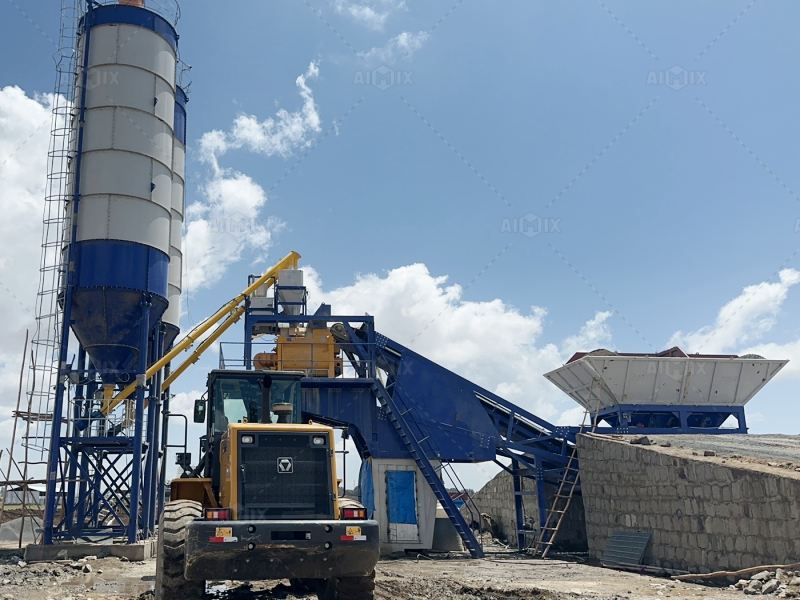
Today, mobile concrete batching plant design has entered the era of smart systems. Automation and digital technologies are now at the core of modern plant operations, transforming how concrete is produced, monitored, and managed.
Key features of modern smart mobile plants include:
1. Fully Automated Control Systems
Advanced PLC (Programmable Logic Controller) systems enable fully automated batching processes. Operators can control the entire plant through user-friendly interfaces, reducing human error and improving efficiency.
2. Real-Time Data Monitoring
Sensors and IoT technologies allow real-time tracking of:
-
Material consumption
-
Production output
-
Equipment performance
-
Energy usage
This data helps operators optimize production and make informed decisions quickly.
3. Remote Operation and Diagnostics
Modern plants can be monitored and controlled remotely via computers or mobile devices. Technical teams can diagnose issues, update software, and provide support without being physically present on-site.
4. Integration with Construction Management Systems
Mobile batching plants are increasingly integrated with broader project management platforms, enabling seamless coordination between material production and construction schedules.
Sustainability and Green Design Integration
Another important aspect of modern mobile concrete batching plant evolution is sustainability. As the construction industry moves toward low-carbon practices, plant design has adapted accordingly.
Innovations include:
-
Energy-efficient motors and optimized power consumption
-
Recycling systems for water and residual concrete
-
Compatibility with recycled aggregates and alternative cementitious materials
-
Reduced emissions and noise pollution
These features not only help companies comply with environmental regulations but also enhance their competitiveness in markets that prioritize green construction.
Future Outlook: Toward Intelligent and Autonomous Systems
Looking ahead, the evolution of mobile concrete batching plants is expected to continue in the direction of greater intelligence and autonomy. Emerging technologies such as artificial intelligence, machine learning, and digital twins will further enhance plant performance.
Future developments may include:
-
Predictive maintenance based on AI algorithms
-
Fully autonomous operation with minimal human intervention
-
Advanced data analytics for production optimization
-
Integration with smart construction ecosystems and BIM platforms
As these innovations mature, mobile concrete batching plants will become even more efficient, reliable, and adaptable to complex construction environments.
Conclusion
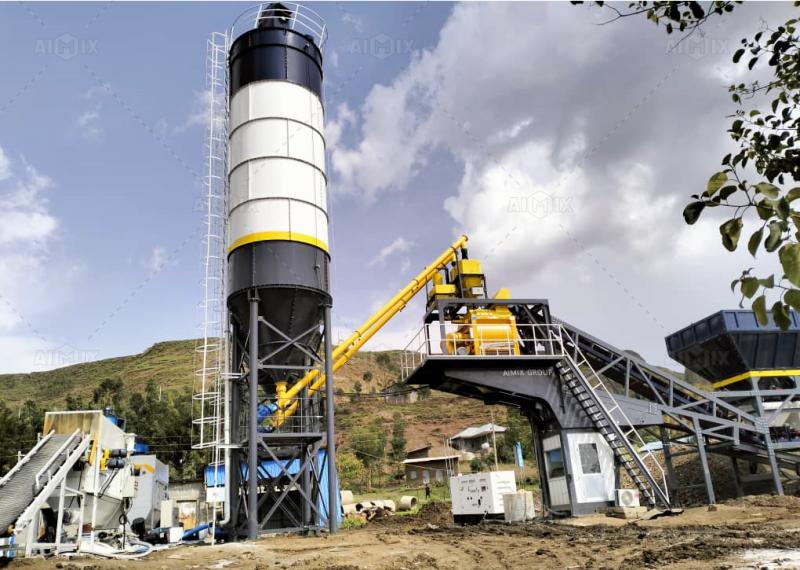
The design evolution of the mobile concrete batching plant reflects the broader transformation of the construction industry. From basic mobile units with limited functionality to highly automated, intelligent systems, these plants have become essential tools for modern construction.
Today’s mobile concrete batching plants offer not only flexibility and mobility but also precision, efficiency, and sustainability. For contractors and investors, adopting advanced mobile batching solutions is no longer just an option—it is a strategic move to stay competitive in a rapidly evolving market.
-


