Categories
Tags
Archives
The Durability and Flexibility of Tension Fabric Buildings
-
Posted by Servinsky Engineering Filed in Arts & Culture #Tension Fabric Building #What Tension Fabric Buildings 24 views
As construction practices evolve, so do the materials and solutions used to build functional and aesthetically appealing structures. One material that has gained significant attention in recent years is Tension Fabric Building. Known for their flexibility, durability, and cost-effectiveness, tension fabric structures have become a go-to option for a wide range of applications in the construction industry.
From event spaces and sports arenas to commercial buildings and emergency shelters, tension fabric offers unique advantages that traditional construction materials cannot easily match. In this blog, we’ll explore the key benefits of Tension Fabric Building, focusing on their flexibility, durability, and overall performance in construction.
What is a Tension Fabric Building?
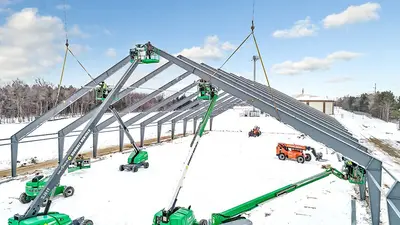
A Tension Fabric Building is a structure made from a durable, weather-resistant fabric that is stretched and tensioned over a supporting framework of steel, aluminum, or cables. The fabric used in these buildings is designed to withstand harsh weather conditions while maintaining a sleek and functional design. The tension applied to the fabric ensures that the building remains stable, even under the pressure of wind, snow, and other environmental forces.
The materials used in tension fabric buildings, such as PVC-coated polyester, PTFE-coated fiberglass, or ETFE, are specifically engineered for strength, flexibility, and long-lasting performance. These buildings offer a modern and innovative solution for a wide variety of construction needs, whether temporary or permanent.
The Flexibility of Tension Fabric Buildings
One of the standout features of Tension Fabric Building is its remarkable flexibility. Unlike traditional construction materials like concrete or steel, tension fabric can be molded into virtually any shape, allowing architects and engineers to create unique, fluid designs that are not easily achievable with other materials.
1. Design Freedom and Creative Possibilities
Tension fabric structures provide a level of creative freedom that is hard to match. The fabric can be stretched over frames of any shape or size, creating architectural forms that can include sweeping curves, wide spans, and intricate, fluid designs. This is particularly beneficial for architects who want to design buildings with a unique or futuristic look.
Whether it's a large event venue, a sports arena, or a retail space, the ability to customize the size and shape of a tension fabric structure makes it an ideal material for projects that require a dynamic, visually appealing design.
2. Scalability and Versatility
Another advantage of tension fabric buildings is their scalability. These structures can be built to accommodate a wide range of sizes, from small kiosks and pavilions to large commercial buildings and stadiums. The modular nature of tension fabric allows for easy expansion or reconfiguration, making it a versatile solution for both short-term and long-term construction needs.
Whether you're looking to create a temporary exhibition space or a permanent commercial facility, tension fabric can adapt to your needs and provide a scalable solution that meets your specific requirements.
3. Customizable Features
Tension fabric buildings also offer a high degree of customization. From fabric colors and textures to graphic prints and branding, the surface of a tension fabric structure can be easily customized to reflect the desired aesthetic. This makes tension fabric a popular choice for businesses looking to create a branded environment or enhance the visual impact of their building.
Moreover, the fabric can be integrated with lighting systems to create dynamic effects or to highlight specific areas of the structure. This level of customization ensures that the building aligns perfectly with the design vision, whether it's for a commercial space, an event, or an architectural landmark.
The Durability of Tension Fabric Buildings
In addition to their flexibility, What Tension Fabric Buildings are also known for their exceptional durability. Despite being lightweight, the materials used in tension fabric structures are engineered to withstand the elements and maintain their structural integrity over time.
1. Weather Resistance
One of the key reasons tension fabric buildings are so durable is their ability to withstand a wide range of environmental conditions. The fabrics used in these structures are designed to be weather-resistant, capable of enduring extreme temperatures, high winds, heavy snow, and rain. Unlike traditional building materials, which can deteriorate or become damaged under harsh conditions, tension fabric is built to last.
The tensioning system applied to the fabric helps it remain taut, even during strong wind gusts, ensuring the stability of the structure. This makes tension fabric buildings ideal for locations with extreme weather conditions, where traditional construction might not be as reliable or durable.
2. UV and Fade Resistance
Another aspect of durability is the fabric’s resistance to UV rays. Tension fabric is often coated with materials like PVC or PTFE, which protect it from the sun’s harmful ultraviolet rays. This ensures that the fabric will not fade or degrade over time, maintaining its appearance and performance even after years of exposure to the sun.
This UV resistance is especially important for outdoor applications, such as sports stadiums, transportation hubs, or large event spaces, where the structure will be exposed to sunlight on a daily basis.
3. Low Maintenance Requirements
Tension fabric buildings are also known for their low maintenance needs. Unlike traditional building materials, which may require frequent repairs or upkeep, the fabric used in these structures is durable and easy to maintain. The materials used are resistant to dirt and grime, making it easier to clean and keep the building looking fresh.
In addition, tension fabric structures are highly resistant to mold, mildew, and water damage, which can be common issues in buildings with traditional roofing systems. The durability of the fabric means that it requires less frequent maintenance, reducing long-term costs for owners and operators.
Cost-Effectiveness of Tension Fabric Buildings
Another reason What Tension Fabric Buildings are becoming more popular is their cost-effectiveness. While traditional construction methods can be expensive and time-consuming, tension fabric buildings offer a more affordable and efficient alternative. The cost savings come from several factors:
1. Reduced Material Costs
Tension fabric is much lighter than traditional building materials like steel and concrete, which reduces transportation and material costs. The fabric is also easier to handle and install, reducing labor costs. Overall, the lightweight nature of tension fabric helps keep both initial and ongoing construction costs lower.
2. Faster Construction Times
As mentioned earlier, tension fabric structures can be built much faster than traditional buildings. Since the fabric components are pre-fabricated off-site and require minimal on-site assembly, the construction timeline is significantly shortened. This rapid construction time not only saves money but also allows businesses to begin using the space sooner.
This speed of construction is especially beneficial for industries that require quick turnaround times, such as event planners, retail businesses, and emergency services.
3. Energy Efficiency
Many tension fabric buildings are designed to be energy-efficient. The translucent nature of some fabrics allows for natural light to filter through, reducing the need for artificial lighting during the day. This can lead to significant energy savings, especially in large commercial buildings or event spaces.
Additionally, the fabric’s insulating properties can help maintain a comfortable indoor temperature, reducing the need for heating and cooling. This contributes to lower utility costs and makes tension fabric buildings an environmentally friendly and cost-effective solution for modern construction.
Applications of Tension Fabric Buildings
Tension fabric is used in a wide variety of building applications. Its flexibility, durability, and cost-effectiveness make it ideal for both temporary and permanent structures. Some common applications include:
1. Event Spaces and Exhibition Halls
Tension fabric is often used for temporary structures like event pavilions, exhibition halls, and trade show booths. Its ability to be quickly assembled and disassembled makes it perfect for events that require a flexible and customizable space.
2. Sports Facilities and Stadiums
Many modern sports facilities, including stadiums, arenas, and sports complexes, use tension fabric for their roofs and canopies. These structures offer large spans without the need for internal supports, allowing for unobstructed views and increased seating capacity.
3. Transportation Infrastructure
Airports, train stations, and bus terminals often use tension fabric to cover walkways, terminals, and parking areas. The lightweight and durable nature of the material makes it ideal for creating large, open spaces in transportation hubs.
4. Commercial Buildings
Tension fabric is also increasingly being used in commercial construction. From retail stores to warehouses, tension fabric offers a cost-effective solution for creating functional and visually appealing buildings.
Conclusion
The flexibility and durability of Tension Fabric Building make it a game-changer in modern construction. From its design versatility and rapid installation to its weather resistance and cost-effectiveness, tension fabric offers a range of benefits that traditional materials cannot match. Whether used for temporary event spaces, large-scale sports arenas, or permanent commercial buildings, tension fabric is revolutionizing the way we think about architecture and construction.
As the demand for efficient, sustainable, and visually appealing buildings continues to grow, tension fabric is likely to play an even more significant role in shaping the future of construction. Whether you're building a temporary structure or a permanent facility, tension fabric provides a reliable, flexible, and cost-effective solution that meets the needs of the modern world.


