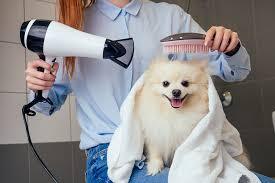
Every dog has unique grooming needs, but one factor that is often overlooked is lifestyle. A dog that spends most of its time indoors will have very different grooming requirements compared to a highly active outdoor dog. Elements such as daily activity levels, environment, climate exposure, and interaction with other animals all influence coat condition and hygiene. Understanding how lifestyle affects grooming helps pet owners build a routine that supports long-term skin and coat health.
For active pets, maintaining a structured Dog Grooming routine becomes especially important because outdoor exposure increases the chances of dirt buildup, tangles, and skin irritation. Dogs that frequently visit parks, travel, or engage in physical activities require more consistent brushing, cleaning, and coat maintenance than pets with low activity levels.
Indoor vs Outdoor Dogs: Different Grooming Needs
Indoor dogs generally stay in cleaner environments, which reduces exposure to mud, dust, and parasites. However, they may still require regular grooming because indoor environments can cause dry skin due to air conditioning or low humidity. Regular brushing helps distribute natural oils across the coat, preventing dullness and dryness.
Outdoor dogs, on the other hand, are more likely to accumulate dirt and debris. Their coats may trap grass, dust, or moisture, which can lead to matting or skin discomfort if not cleaned regularly. These dogs benefit from more frequent brushing and occasional bathing to maintain hygiene.
Owners should observe how their dog spends the day rather than relying solely on breed-based grooming schedules.
Activity Levels and Coat Maintenance
Highly active dogs often experience faster coat wear and more frequent tangling. Running, rolling on grass, or playing in water affects coat texture over time. Dogs that enjoy swimming may require additional drying and brushing to prevent moisture-related skin issues.
Low-activity dogs may not require frequent bathing but still need regular brushing to remove loose hair. Lack of movement can sometimes lead to heavier shedding accumulation inside the coat if grooming is ignored.
Matching grooming frequency with activity level helps maintain coat quality while preventing unnecessary bathing that could strip natural oils.
Environmental Factors That Influence Grooming
Environmental exposure plays a major role in grooming needs. Dogs living in urban areas may encounter pollution particles that settle on the coat. Rural environments, meanwhile, increase exposure to soil and plant materials.
Seasonal changes also impact grooming routines. During warmer months, dogs may shed more frequently, requiring consistent brushing to manage loose fur. In colder seasons, coats often become thicker, making detangling more important.
Humidity levels can also affect coat texture. High humidity may lead to frizz or matting in long-haired dogs, while dry climates may cause flaky skin.
Social Interaction and Hygiene Requirements
Dogs that regularly interact with other animals need more consistent hygiene routines. Social environments such as parks or boarding facilities increase the risk of dirt transfer and minor skin irritations.
Regular grooming helps detect early signs of coat or skin issues that may arise from social exposure. Checking ears, paws, and undercoat areas becomes especially important for dogs that play frequently with others.
Maintaining cleanliness also supports better comfort for dogs that share indoor spaces with their families.
Lifestyle Changes and Grooming Adjustments
A dog’s grooming routine should evolve with lifestyle changes. For example, moving to a new city, changing walking routines, or seasonal travel can impact coat maintenance needs.
If a dog becomes more active over time, grooming frequency may need to increase. Similarly, aging dogs may require gentler grooming practices due to sensitive skin or reduced mobility.
Monitoring coat condition regularly helps identify when grooming routines need adjustment.
Professional Support for Lifestyle-Based Grooming
While home grooming is essential, professional grooming helps manage deeper coat maintenance based on lifestyle factors. Structured grooming sessions ensure proper cleaning, trimming, and coat care according to activity levels and environmental exposure. Professional grooming guidance from Vetic helps pet owners create personalized grooming routines that align with their dog’s daily lifestyle while maintaining consistent hygiene and comfort. You can explore their services here: Vetic.
Conclusion
A dog’s lifestyle significantly influences grooming frequency and methods. Activity levels, environment, social exposure, and seasonal changes all affect coat health and hygiene needs. By adjusting grooming routines according to these factors, pet owners can prevent common coat problems and maintain overall comfort for their pets. Combining regular home care with professional grooming support ensures that dogs remain clean, healthy, and well-maintained throughout different stages of life.


