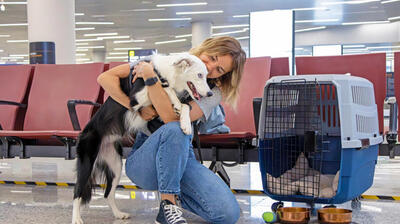
What to Expect at Canada Pet Import Inspection
-
Bringing a beloved animal companion into Canada can feel overwhelming, especially if you are unfamiliar with border procedures. Whether you are relocating permanently, returning home after a long stay abroad, or simply traveling with your pet, understanding what happens during a Canadian pet import inspection will help you avoid delays and reduce stress for both you and your animal.
Canada has a well-structured and transparent inspection process designed to protect animal health, public safety, and the country’s agricultural systems. The process is overseen by the Canadian Food Inspection Agency, commonly referred to as the CFIA. Knowing what they check, how inspections are conducted, and what documents are required can make your arrival smooth and straightforward.
Understanding Canada’s Pet Import Regulations
Canada’s animal import regulations are built around disease prevention and biosecurity. The primary concern is preventing the introduction of rabies and other infectious diseases that could impact wildlife, livestock, and public health.
The CFIA establishes import requirements based on the species of the animal and the country of origin. Dogs and cats are the most commonly imported pets, but the rules vary significantly depending on where your pet is coming from and its age.
The first thing to understand is that requirements are risk-based. Countries are generally categorized according to rabies risk. If you are importing from a rabies-free country, the documentation requirements may be less complex than if you are arriving from a country considered high-risk for rabies.
Arrival at the Canadian Port of Entry
When you land at a Canadian airport or arrive by land border, your pet must be declared to the Canada Border Services Agency. Failure to declare an animal can lead to fines, seizure, or additional inspection procedures.
After declaration, border services officers will review your documentation and determine whether your pet requires further inspection by CFIA officials. In many cases, for dogs and cats with complete paperwork, the inspection happens directly at the port of entry.
If a CFIA inspector is not available onsite, you may be directed to an approved inspection facility.
Documentation Review: What Officers Check First
The document review is the most critical part of the inspection process. Officers typically examine the following:
Proof of rabies vaccination is mandatory for dogs over three months of age entering from countries not considered rabies-free. The vaccination certificate must clearly show the vaccine manufacturer, product name, serial number, date of vaccination, and duration of immunity.
In some cases, particularly when entering from high-risk countries, a rabies titer test may be required. This blood test confirms that your pet has adequate rabies antibodies.
Veterinary health certificates may also be requested. While Canada does not always require a general health certificate for dogs and cats from certain countries, airlines often do. The certificate should be issued by a licensed veterinarian within the specified timeframe before travel.
Microchip identification is increasingly common and, depending on the country of origin, may be required to match the vaccination records to the animal.
Any discrepancies in dates, vaccine validity, or incomplete documentation can result in delays, re-vaccination orders, or even refusal of entry.
Physical Examination of Your Pet
After paperwork is reviewed, the inspection may include a brief visual assessment of your animal. This is not a full veterinary exam, but officers will look for obvious signs of illness, distress, or injury.
Inspectors may check for visible signs of rabies, parasites, or other infectious conditions. They also confirm that the animal matches the description provided in the documents, including breed, color, age, and identification markings.
If your pet appears unwell, officers can order a more detailed examination or quarantine at your expense. This is rare but possible, particularly if documentation raises concerns or if the animal displays symptoms consistent with a communicable disease.
Inspection Fees and Payment
Most pet import inspections in Canada involve a fee payable at the port of entry. The fee varies depending on the number of animals and the type of inspection required.
If everything is in order, the process typically takes less than an hour. However, if documentation is incomplete or additional review is required, you may experience delays. Payment is usually made directly to the inspecting authority, and receipts are issued immediately.
Being prepared with all original documents organized and easily accessible significantly speeds up this step.
Special Considerations for Dogs
Dogs entering Canada face the most scrutiny due to rabies control measures. Puppies under three months old may have different requirements, but they are still subject to inspection.
Service dogs are not exempt from health requirements, although documentation for their service status may be reviewed separately by border officials.
Certain breeds may be subject to provincial or municipal restrictions once inside Canada. For example, some provinces have breed-specific legislation that applies after entry, though this is not part of the federal inspection process.
Special Considerations for Cats
Cats generally face fewer restrictions than dogs, but they are still subject to rabies vaccination requirements depending on age and origin.
Unlike some countries, Canada does not require routine quarantine for cats that meet entry conditions. However, failure to meet vaccination standards can result in re-vaccination orders or confinement until compliance is confirmed.
Importing from the United States
If you are traveling from the United States, the process is typically more straightforward. Canada and the U.S. maintain strong cooperation on animal health standards.
For most dogs over three months of age, a valid rabies vaccination certificate is sufficient. Health certificates are not always mandatory under federal regulations, although airlines may require them for air travel.
Because of the high volume of cross-border pet movement between Canada and the United States, border officers are very familiar with standard documentation formats, which helps streamline inspections.
What Happens If Requirements Are Not Met
If your pet does not meet Canada’s import requirements, officers have several options. They may allow entry with conditions, such as mandatory vaccination within a specified period. They may order quarantine at an approved facility. In serious cases, they may deny entry and require the animal to be returned to the country of origin.
All costs related to additional inspections, quarantine, transportation, or veterinary services are the responsibility of the importer.
This is why careful preparation before travel is essential. Many travelers who research pet import canada regulations in advance avoid these complications entirely.
Preparing in Advance to Avoid Delays
Preparation begins weeks or even months before travel. Confirm your pet’s vaccination schedule aligns with Canadian requirements. Ensure documents are signed and dated correctly. Verify that vaccine validity extends beyond your arrival date.
It is also wise to check airline-specific rules, as carriers sometimes have stricter requirements than Canadian authorities. Arriving early at the airport and allowing extra time for inspection reduces travel-day stress.
Keep all original documents in a waterproof folder and have digital backups available. Organized paperwork makes a strong first impression and speeds up the review process.
Emotional Considerations and Travel Stress
Beyond paperwork and inspections, remember that travel is stressful for animals. Border environments can be noisy and unfamiliar. Keeping your pet calm, hydrated, and secure in an airline-approved carrier helps ensure the inspection process goes smoothly.
Remain patient and cooperative with officers. They are responsible for protecting Canada’s animal health systems, not creating inconvenience. A respectful attitude often makes the experience quicker and more pleasant.
Final Thoughts
A Canada pet import inspection is generally straightforward when you arrive prepared. The process focuses primarily on verifying rabies protection, confirming documentation accuracy, and ensuring your pet shows no visible signs of illness.
The oversight of the Canadian Food Inspection Agency ensures that Canada maintains high biosecurity standards while still welcoming thousands of pets each year.
With proper preparation, organized paperwork, and an understanding of what inspectors look for, you can confidently navigate the process and begin your new chapter in Canada with your furry companion by your side.


