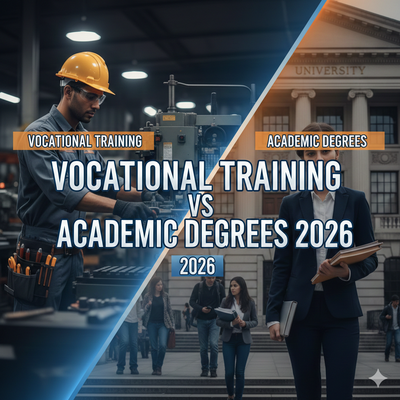
In 2026, students have more educational choices than ever before. Instead of following the traditional path of earning only an academic degree, many are exploring vocational training programs that focus on practical skills and job readiness.
For students planning to study in Europe with the help of Schengen Study Visa Consultants in Panchkula, understanding the difference between vocational training and academic degrees is essential for making the right career decision.
🎓 What Are Academic Degrees?
Academic degrees are structured programs offered by universities and colleges. These include:
-
Bachelor’s degrees
-
Master’s degrees
-
Doctoral programs
They focus on theoretical knowledge, research, and academic development. Universities often collaborate with organizations like the European Union to provide exchange programs and research opportunities.
✅ Advantages of Academic Degrees:
-
Globally recognized qualifications
-
Broader career opportunities
-
Higher long-term earning potential
-
Strong academic foundation
❌ Limitations:
-
Longer duration
-
Higher tuition costs
-
More theory-focused
🛠️ What Is Vocational Training?
Vocational training focuses on practical, job-oriented skills. These programs prepare students for specific careers such as:
-
Hospitality management
-
Automotive technology
-
Healthcare assistance
-
Information technology
-
Culinary arts
Countries in the Schengen region, especially Germany, promote skill-based education through programs supported by institutions like DAAD.
✅ Advantages of Vocational Training:
-
Shorter course duration
-
Hands-on practical experience
-
Faster entry into the job market
-
Lower education costs
❌ Limitations:
-
Narrow career focus
-
Limited academic research exposure
🌍 Vocational vs Academic: Key Differences
| Academic Degrees | Vocational Training |
|---|---|
| Theory-based learning | Practical skill-based learning |
| Longer duration | Short-term programs |
| Research-oriented | Job-oriented |
| Broader career options | Specialized career paths |
Both paths have value depending on career goals.
🎯 Which One Should You Choose in 2026?
The decision depends on:
-
Your career interests
-
Financial situation
-
Long-term goals
-
Desired country of study
If you aim for research, management roles, or higher education, an academic degree may be suitable. If you prefer practical work and faster employment, vocational training could be a better choice.
Students planning education in Europe often consult Schengen Study Visa Consultants in Panchkula to understand visa requirements, program eligibility, and documentation processes for both academic and vocational programs.
🌐 Study Opportunities in the Schengen Region
The Schengen region offers excellent educational infrastructure, affordable tuition in some countries, and strong employment prospects.
Professional guidance from experienced Schengen Study Visa Consultants in Panchkula ensures that students select the right program and complete visa procedures smoothly.
🚀 Final Thoughts
In 2026, there is no single “right” path. Both vocational training and academic degrees offer valuable opportunities. The key is to align your education choice with your career goals and personal strengths.
Whether you choose a university degree or a vocational program in Europe, proper planning and expert consultation can make your journey smoother and more successful.
Education is evolving—choose the path that fits your future ambitions.


