Top 5 Mistakes Workers Make During Fall Protection Inspection
-
Working at heights is part of many industrial jobs—construction, maintenance, or warehouse work. Fall protection equipment like harnesses, lanyards, anchors, and guardrails is your lifeline. But even the best gear can fail if Fall Protection Inspection is not done correctly.
Despite clear safety guidelines, mistakes happen all the time. In today’s modern workplaces, where hands-on safety training and technology-driven tools are becoming standard, understanding common errors is more important than ever.
1. Skipping Routine Checks
One of the most common mistakes is assuming that once a harness or anchor is installed, it’s safe forever. In reality, wear and tear from UV exposure, moisture, friction, and chemicals can weaken equipment over time.
Skipping routine inspections is a huge risk. Experts recommend daily quick checks before use and detailed monthly or annual inspections. Some companies now use digital checklists and mobile alerts to remind workers to inspect equipment regularly. Making this a habit keeps small issues from becoming life-threatening problems.
2. Overlooking Minor Damage
It’s easy to think, “That frayed strap is no big deal,” but minor damage is often the first sign of a major failure. Even small cuts, loose stitching, or bent connectors can compromise your safety if a fall happens.
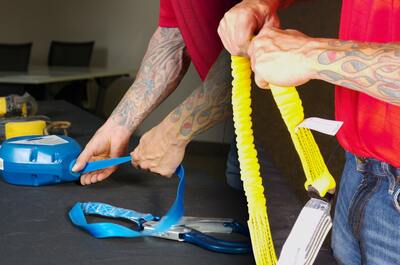
A proper Fall Protection Inspection isn’t a glance-over—it’s hands-on. Feel straps, test buckles, and check anchor points carefully. Many sites now document every inspection, creating a record to track wear and maintenance needs. This small effort can prevent major accidents before they happen.
Pro Tip: Treat every strap, buckle, and connector like it’s a lifeline—because it literally is.
3. Misusing Equipment
Even flawless gear is useless if it’s used incorrectly. New workers often attach lanyards to the wrong anchor, wear harnesses too loose, or misjudge fall distances.
Training programs today focus on practical, hands-on learning rather than just classroom theory. Workers learn how to adjust, inspect, and wear equipment properly. This ensures that a harness isn’t just present—it’s actually protecting you. Proper technique, combined with regular Fall Protection Inspection, is a life-saving combination.
4. Ignoring Environmental Factors
Fall protection isn’t only about the gear; it’s about the conditions around you. Wet surfaces, icy scaffolds, loose debris, or nearby machinery can turn a safe setup into a dangerous situation.
Modern safety practices now include environmental awareness in every Fall Protection Inspection. On some sites, workers even use professional inspection tools to check load-bearing anchors and structural integrity. Combining environmental checks with equipment inspection ensures hazards aren’t missed.
Tip: Always take a few extra minutes to scan your surroundings and look for hidden dangers before starting work.
5. Failing to Document Inspections
Even the most thorough inspection is useless if it’s not recorded. Documentation provides accountability, identifies recurring issues, and proves compliance with safety standards.
Today, mobile apps and cloud-based platforms make logging inspections quick and easy. Workers can note defects, attach photos, schedule repairs, and share records with supervisors. Regular documentation is just as important as the physical inspection itself and ensures that Fall Protection Inspection isn’t just a task—it’s a trusted safety practice.
Bonus Tip: Continuous Training Matters
Most mistakes happen because workers aren’t fully aware of risks or haven’t practiced proper procedures. Ongoing training—hands-on drills, scenario-based exercises, and mentorship—helps workers develop the habit of checking, thinking, and acting safely.
By combining Fall Protection Inspection routines with continuous training, workplaces create a culture of safety where workers instinctively prioritize protection, not just compliance.
Final Thoughts
Fall protection equipment saves lives—but only if it’s inspected, maintained, and used correctly. Avoiding the top five mistakes—skipping checks, ignoring minor damage, misusing gear, overlooking environmental hazards, and failing to document inspections—can prevent accidents and protect workers.
Integrating modern practices, ongoing training, and professional inspection tools ensures that every worker can trust their equipment and focus on the task at hand safely.
Remember: spending a few extra minutes inspecting your harness or anchor today could save your life tomorrow. Safety isn’t just a checklist—it’s a habit.


