Categories
Tags
Archives
Weather Challenges on Kedarnath Yatra Path
-
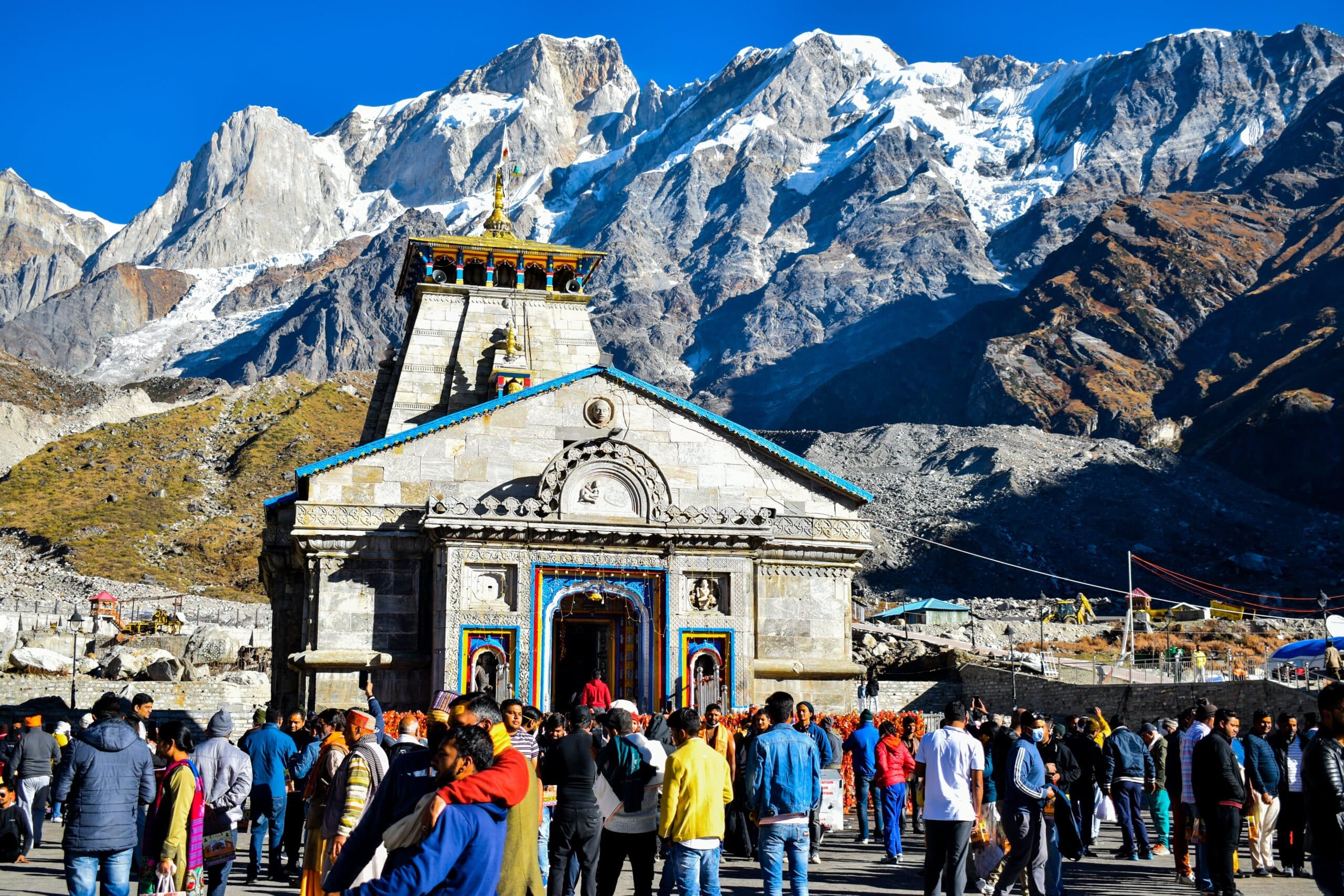
The Kedarnath Yatra is one of the most revered pilgrimages in India, drawing hundreds of thousands of devotees each year to the high Himalayas of Uttarakhand. Situated at an elevation of 3,583 metres (11,755 feet) above sea level, the Kedarnath temple lies in an environment defined by rugged terrain and highly variable weather conditions. While the spiritual rewards of the pilgrimage are immense, the climatic and meteorological challenges along the route can be formidable, even life‑threatening if ignored. This article explores the complex weather dynamics on the Kedarnath Yatra path and how they affect the journey, safety, infrastructure, and planning.1. The Himalayan Climate: Understanding the Setting
Kedarnath’s high‑altitude Himalayan environment subjects it to severe and rapidly changing weather patterns. Unlike plains regions where forecasts may remain accurate for days, mountain weather can shift dramatically in minutes — sun giving way to fog, clouds turning into thunderstorms, or clear skies yielding sudden snow showers. Seasonal transitions — pre‑monsoon, monsoon, post‑monsoon, and winter — each bring distinct challenges.
The Himalayas’ elevation, steep terrain, and orographic effects (where moist air rises over mountains, cools, and produces precipitation) create unpredictable conditions that define the pilgrimage experience. Even within a single day, pilgrims may face sunshine in the morning, rainfall in the afternoon, and dropping temperatures by evening — a combination that demands constant preparedness.
2. Seasonal Weather Patterns and Their Challenges
a. Pre‑Monsoon / Summer (May – June)
The official pilgrimage season for Kedarnath usually begins in late April or early May and runs until October (weather permitting). In this early period:
-
Temperature gradients vary widely: warmer at lower elevations and significantly colder as pilgrims ascend.
-
Cold snaps and snowfall can persist even into late May or early June, as the upper Himalayas experience residual winter conditions. In recent years, heavy snowfall has even blocked parts of the trek route with deep snowpacks and glaciers forming across trail sections.
-
Sun exposure and UV intensity are high, meaning pilgrims must guard against sunburn despite lower air temperatures.
The unpredictable mix of chilly nights and strong daytime sun makes clothing, shelter, and hydration critical concerns.
b. Monsoon Season (July – August)
The greatest weather challenges occur in the monsoon months, when heavy rainfall affects the entire region:
-
Intense rainfalls can lead to landslides, flash floods, road washouts, and trail damage. High precipitation saturates unstable slopes, triggering frequent rock and earth movements that block roads and footpaths.
-
Trail instability: Paths between Sonprayag, Gaurikund, and Kedarnath, especially in exposed gorges, can become treacherous. Sections may be washed out or submerged.
-
Red and orange weather alerts often lead authorities to halt the Yatra temporarily for safety reasons. In August 2025, intense rain warnings caused a three‑day suspension of the Kedarnath Yatra.
Monsoonal hazards make travel during this period extremely risky, especially for inexperienced trekkers.
c. Post‑Monsoon (September – October)
This period often brings the most benign weather of the year, though challenges remain:
-
Clear skies and stable conditions prevail, creating more predictable weather for trekking and helicopter operations.
-
Night temperatures drop sharply, and cold winds can make evenings and early mornings frigid.
-
Occasional rain or snowfall can still occur in early autumn, especially at higher elevations.
Many experienced pilgrims prefer this season for its moderate climate and safer trails.
d. Winter (November – March)
Winter at Kedarnath is harsh and generally not suitable for pilgrimage due to:
-
Heavy snowfall that buries the trail and temple precincts under several feet of ice and snow.
-
Extremely low temperatures often well below freezing, making any outdoor travel dangerous.
-
The pilgrimage season is officially closed, and the temple doors are shut until weather permits reopening.
Winter weather conditions transform the Kedarnath region into an inaccessible, frozen wilderness.
3. Specific Weather‑Related Hazards on the Yatra Path
a. Snow, Glaciers, and Avalanche Risk
Unexpected snowstorms and snow accumulations can occur even during the May–June window. Heavy snow is known to:
-
Block paths with deep drifts.
-
Create glacier formations along the route that require special technical awareness and clearing operations.
-
Trigger avalanches in unstable sections, especially when snow layers are weakly bonded to underlying terrain.
Avalanche advisories and active monitoring are occasionally issued by local disaster management bodies when conditions warrant.
b. Heavy Rain and Landslides
The monsoon brings cascading rainfalls that are perhaps the greatest peril:
-
Trails and roads get washed out, leaving gaping holes or slushy, unstable ground.
-
Landslides and falling debris can occur without much warning, especially after prolonged rains.
-
Riverbanks and bridges may be compromised due to swelling waters.
-
In some recent instances, sections of highways have been completely swept away, prompting authorities to pause all pilgrim movement.
The landslide threat is heightened by the region's fragile geology and steep slopes.
c. Sudden Weather Changes
One of the most unpredictable aspects of mountain weather is the speed of change. Pilgrims and guides alike report:
-
Sudden fog or mist reducing visibility to near zero.
-
Rain quickly turning to sleet or snow at higher elevations.
-
Clear skies becoming stormy in a matter of hours.
This unpredictability complicates scheduling, travel planning, and safety assurance.
d. Cold and Hypothermia Risk
Even in peak pilgrimage months, night temperatures can plummet sharply, especially after sunset. Combined with wind chill and wet conditions (from rain or melted snow), this poses:
-
Hypothermia risk — a dangerous drop in core body temperature.
-
Frostbite susceptibilities in exposed extremities without proper insulation.
-
Slower physical responses due to cold‑induced stiffness or exhaustion.
Proper layering and thermal gear are essential.
e. Altitude Effects and Weather Amplification
At high elevations, the atmosphere is thinner, resulting in:
-
Lower oxygen levels, which can exacerbate fatigue and slow response to physical stress.
-
Increased UV radiation exposure, even when temperatures feel cool.
-
Greater sensitivity to cold winds and temperature drops.
These factors interact with weather conditions to influence how the body responds on the trail.
f. Helicopter Weather Constraints
For many pilgrims, helicopters between places like Phata, Sersi, and Kedarnath helipads offer an alternative to trekking. However:
-
Helicopter operations are highly weather‑dependent, requiring clear visibility and stable air conditions for safe flights.
-
Poor weather (low cloud cover, rain, or wind) can cause flight delays, cancellations, and even accidents, as seen in recent years where adverse weather played a role in tragic helicopter crashes near the route.
Thus even mechanized transit options cannot fully circumvent weather challenges.
4. Safety and Preparedness: Measures and Recommendations
Given the weather dynamics and risks, several standard precautions are recommended for anyone planning the Kedarnath Yatra:
a. Pre‑Journey Weather Monitoring
-
Regularly check local weather forecasts from the India Meteorological Department (IMD) and follow alerts.
-
Schedule travel to avoid the peak monsoon season if possible.
b. Appropriate Gear and Clothing
-
Layered clothing to adapt to changing temperatures.
-
Waterproof rain gear and thermal wear.
-
Good quality trekking boots with grip for slippery paths.
c. Acclimatization and Health Planning
-
Allow time to acclimatize to altitude to reduce risks of acute mountain sickness.
-
Carry basic medications, hydration, and light snacks.
d. Emergency Preparedness
-
Carry emergency contact numbers and stay aware of nearest medical points.
-
Inform local guides about your itinerary and travel intentions.
-
Be prepared to delay or retreat if weather turns hostile.
e. Travel Planning and Flexibility
-
Build buffer days into your journey itinerary to accommodate weather delays.
-
Avoid trekking during daytime hours known for higher precipitation probability.
5. Environmental and Long‑Term Weather Trends
Beyond immediate weather variability, climatic trends in the Himalayas show:
-
Shifting patterns of snowfall, rain, and temperature fluctuations potentially linked to broader climatic change.
-
Glacial retreat and increased instability of mountain slopes, making weather events (like heavy rain) trigger more severe rockfalls or flooding.
These long‑term trends mean that historical patterns may not fully predict future weather, underscoring the need for adaptive planning and infrastructure resilience.
Conclusion
The Kedarnath Yatra is as much a test of spiritual resolve as it is a challenge against nature’s unpredictability. Weather plays a central role in shaping the experience — from snow‑covered trails and monsoonal deluges to fragile ledges and sudden temperature swings. While the path is sacred and deeply meaningful for pilgrims, respect for the power of weather and preparedness remain essential for safety.
Whether one chooses to trek, fly, or plan around seasonal windows, understanding seasonal weather behavior, recognizing risks, and preparing accordingly can make the difference between a fulfilling pilgrimage and a perilous ordeal. In the high Himalayas, where nature reigns supreme, it is only prudent that each pilgrim approaches the journey with both faith and foresight.
-


