Categories
Tags
-
#fleet insurance
#RFP in Healthcare
#Retail Store Installation
#filler for wrinkles around the mouth
#A-frames
#Healthcare SEO
#Poland tour from Wieliczka
#employee handbook translation services
#Honeycomb Paper Bubble Wrap
#Business Law Attorneys
#Animal symbolism
#PDA in a Relationship
#Facial Lymphatic Drainage Massage
#Cloud video surveillance
#Tax deed
#Cloud ERP Solutions
#natural lip fillers
#allergies on skin
#ATA certified translator
#recruitment and selection process in HRM
#2D barcode scanners
#Gourmet Rice Krispie Treats
#ADA-compliant
#Contextual Video Advertising
#Jungian Archetypes
#bathroom pods for commercial construction
#Ankle Bone Fracture Treatment
Archives
A Guide to Jungian Archetypes in Psychology and Personal Growth
-
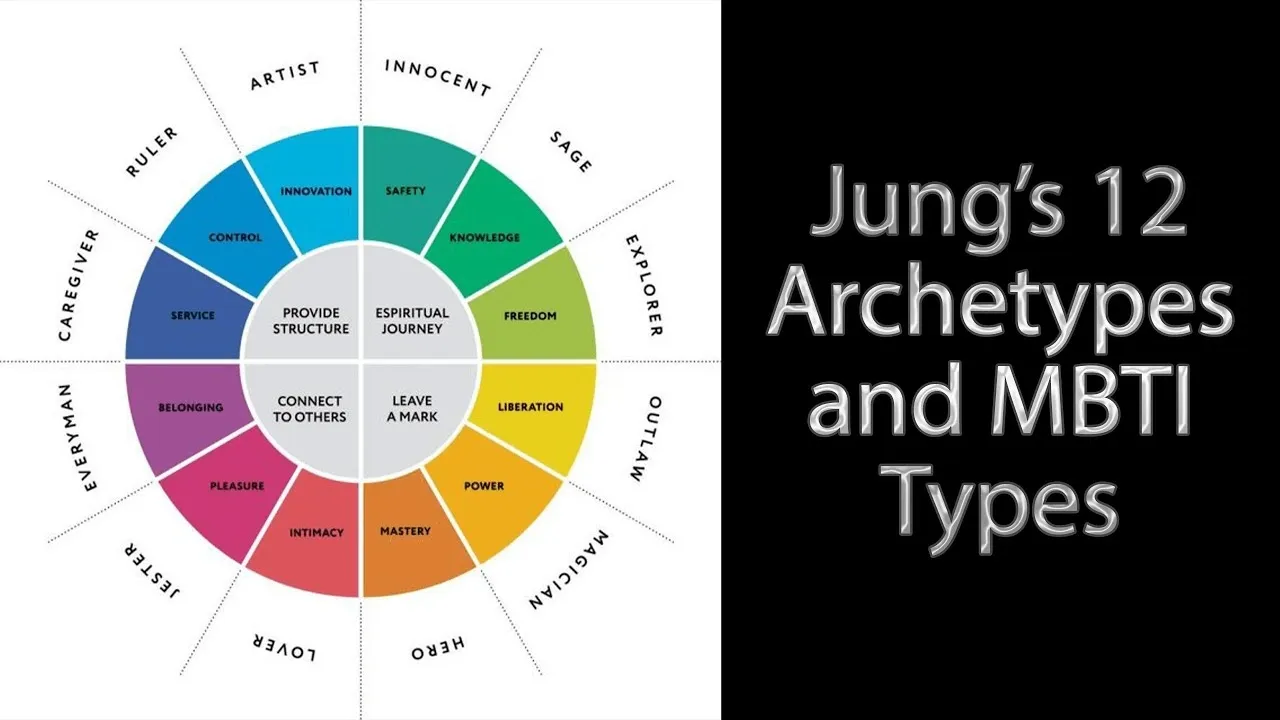
Summary: Jungian archetypes are universal psychological patterns that shape human behavior, emotions, and personal identity. Introduced by Carl Jung, these archetypes exist in the collective unconscious and influence how people think and act. Understanding them can deepen self-awareness, reveal hidden motivations, and support meaningful personal growth and psychological development.
Something clicks when a character shows up looking like someone we already know. It is the fighter standing tall, though everything says fall. A teacher arrives just in time, words landing right where help is needed. Out of nowhere comes the rule-breaker cloaked in secrets. You spot these shapes across old tales, books lit on screens, films roaring through theaters - even watching people live day by day.
Something runs deeper than mere chance here. Not by accident do such images return again and again, thought Carl Jung, a thinker from Switzerland. These echoes point to hidden structures inside every mind. Patterns show up across people, across time, shaped like familiar roles we somehow know. He gave them a name: archetypes. Shared forms live beneath awareness, floating in what he named the collective unconscious.
Imagine how strange it feels at the start. Symbols buried deep in minds we never met? Hold on, though. Spot one of those shapes in your day, and suddenly it fits like an old coat.
Look closely at your favorite tales. Characters shift shape when you least expect them. People nearby slip into different parts without warning. Even you might catch a glimpse of one hiding in plain sight.
Understanding Jungian Archetypes?
Folks often think of Jungian archetypes as basic blueprints for how people act. These patterns aren’t picked on purpose. Beneath the surface, without notice, they guide gut feelings, what drives us, even how we respond when emotions flare up.
A landscape exists inside every head. Experiences shape its hills, memories color the valleys, while beliefs build rocky outcrops along ridges. Below such ground stretches something older - silent, common, speaking in symbols. Hidden there, figures remain unchanged by time.
These function as mental maps.
Now here comes a moment - someone moves without thinking, takes charge when things fall apart. That shape-shifting presence? It often carries the mark of the Hero. Elsewhere, a different figure speaks - not loud, but steady - a voice that names what others miss. Wisdom like that tends to wear the face of the Mentor. Then there’s the one who hesitates, caught between wanting to act and something deeper pulling back. Inside them stirs what Jung named the Shadow.
Could it be that folks stay stuck forever in one role? Far from it. These patterns move like water. With every step forward we take, they change shape too.
Actually, seeing them clearly can spark a big change inside a person.
The Most Important Jungian Archetypes
Out of Jung’s many archetypes, several pop up again and again - shaping how we talk about who people are and why they act certain ways.
The Hero
Facing fear head-on defines the Hero. When obstacles loom large, someone steps forward - not because it's easy but because it must be done. Overcoming hardship shapes them; struggle becomes part of who they are. Where doubt grows thick, effort cuts through like light. Impossible goals? They move toward those anyway. After loss comes return, quiet at first, then stronger. Dreams dismissed by many gain shape in steady hands.
Yet the hero shows up in stillness. It hides where noise ends - like picking change instead of staying safe, saying what stings because silence hurts more, or just standing after every fall without announcing it.
The Shadow
Hidden corners of who we are - that’s what the Shadow really points to. Not everything fits neatly into light; some pieces stay buried on purpose. Feelings we avoid, urges we deny - these gather there without permission. Often ignored, yet always present, shaping moves we don’t fully see. It isn’t evil, just uninvited, living beneath daily awareness. Parts rejected long ago still echo in quiet reactions today.
Anger. Jealousy. Fear.
Hidden traits tend to fade from view when they bring unease. Facing what's buried matters deeply, according to Jung, if growth is to happen. Awareness grows, along with inner calm, once someone stops resisting their concealed parts. The discomfort fades a little each time it’s named.
The truth? The Shadow doesn’t attack us. Instead, it sits quietly - unheard, yet ready to speak if we listen.
The Persona
Bathed in light, the Persona takes center stage while the Shadow lingers unseen behind. Out front, it shapes how folks present themselves when others are watching - crafted, adjusted, often careful.
Imagine how you act during office hours compared to evenings out with people you trust. This change doesn’t mean you’re being dishonest - your persona simply adjusts, as a coat swapped for the weather. Notice it? It slips on without effort when surroundings shift.
It's trouble that shows up when a person forgets where they end, and the role begins. Once the face worn every day swallows who they really are, something real starts to slip away.
The Wise Old Man or Mentor
A figure of wisdom often shows up where least expected - shaping paths through quiet influence. Teachers carry it, yes, but also that voice in stories nudging someone forward when doubt takes hold. Guidance slips in through experience shared, rarely loud, always steady. Transformation begins not by force, yet because a hand was offered without fanfare.
Yet guidance isn't always someone standing beside you. It can rise quietly from within - shaped by moments of thought, instinctive knowing, or paths already walked.
Some choices weigh heavily - then, out of nowhere, peace arrives. A soft knowing rises, not loud, just sure. This still guidance could be your inner Mentor making space.
Why Jungian Archetypes Still Matter
Long after Jung laid out his ideas, patterns shaped by those concepts still ripple through how we understand minds, craft stories, shape ads, and grow ourselves. Look around - traces pop up in logos, unfold in films, hide inside quizzes that claim to reveal who you are.
What keeps them important? That's what matters.
Stories breathe life into who we are. Through them, questions about selfhood, meaning, doubt, bravery, and change take shape. Wherever a person stands on earth, such ideas find ground. What matters is how deeply they feel known.
Maybe this is what makes Jung’s idea hit so hard.
Stories differ, yet their heart paths grow from similar soil. What shapes one person's path shows up again, somehow familiar, beneath another’s surface.
What you've lived through holds clues. Examine those moments carefully.
Who shows up again and again in your tale - the one charging ahead? Maybe it’s the figure that lingers just out of sight, hard to name but always present. Could be someone else, too - whispers advice when things go quiet.
Who knows what corners of your journey those replies could uncover. Maybe they’ll shine light where you least thought to look. Contact Dr. Bren.
FAQs
1. What are Jungian archetypes?
Jungian archetypes are universal symbols or personality patterns that exist in the collective unconscious and influence human behavior, emotions, and decision-making.
2. How many archetypes did Carl Jung identify?
Carl Jung discussed many archetypes, but the most widely recognized include the Hero, Shadow, Persona, and Mentor.
3. Why are Jungian archetypes important in psychology?
They help psychologists understand recurring behavior patterns, motivations, and emotional responses shared across cultures.
4. Can Jungian archetypes help with personal growth?
Yes. Recognizing archetypes can increase self-awareness, helping people understand their strengths, fears, and behavioral patterns.
5. Where can we see archetypes in everyday life?
Archetypes appear in literature, films, myths, branding, and everyday relationships, reflecting universal human experiences and roles.


