Categories
Tags
-
#fleet insurance
#RFP in Healthcare
#Retail Store Installation
#filler for wrinkles around the mouth
#A-frames
#Healthcare SEO
#Poland tour from Wieliczka
#employee handbook translation services
#Honeycomb Paper Bubble Wrap
#Business Law Attorneys
#Animal symbolism
#PDA in a Relationship
#Facial Lymphatic Drainage Massage
#Cloud video surveillance
#Tax deed
#Cloud ERP Solutions
#natural lip fillers
#allergies on skin
#ATA certified translator
#recruitment and selection process in HRM
#2D barcode scanners
#Gourmet Rice Krispie Treats
#ADA-compliant
#Contextual Video Advertising
Archives
HR Compliance Made Easy with Handbook Translation
-
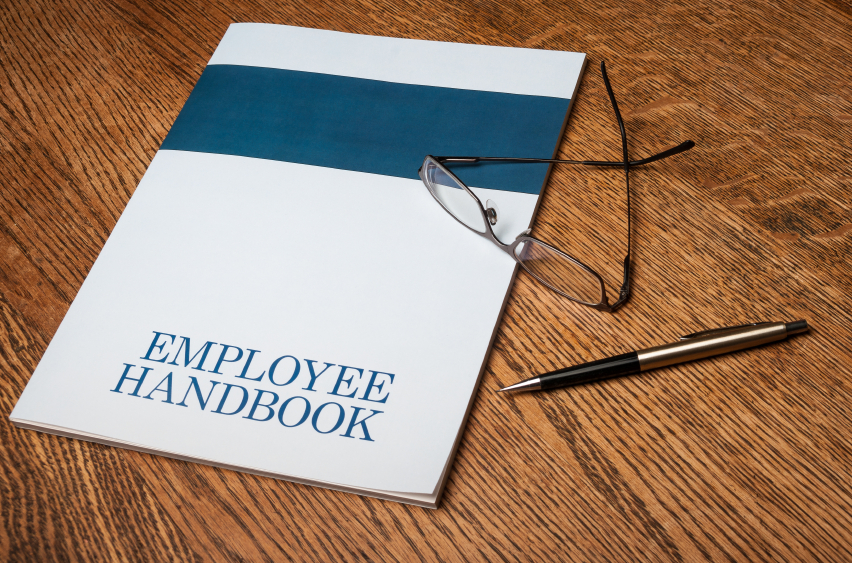
Summary: Employee handbook translation services are not just about accessibility: they’re a critical risk-management tool. When policies are not clearly understood across multilingual workforces, enforcement becomes difficult and legal exposure increases. Professional providers like The Spanish Group ensure that legal intent, tone, and consistency are preserved so handbooks remain enforceable, compliant, and clear for every employee.
Most employee handbooks are written with good intentions. Clear policies. Defined expectations. Legal language reviewed by counsel. Everything documented, signed, and filed away.
And then the workforce changes.
Suddenly, a handbook written entirely in English is being applied to employees who don’t fully understand English. Policies exist, but understanding doesn’t. Expectations are technically documented, but practically unclear.
This is where employee handbook translation services stop being a “nice to have” and start becoming a risk-control decision.
Because a handbook no one truly understands doesn’t protect the company. It exposes it.
The Quiet Problem Companies Don’t Like to Talk About
Many organizations employ bilingual or multilingual teams. Spanish, in particular, is common across industries—manufacturing, healthcare, hospitality, logistics, construction, and retail.
Yet the handbook often stays in English.
Why? Sometimes it’s oversight. Sometimes it’s cost concerns. Sometimes it’s the assumption that “most employees get the idea.”
That assumption causes trouble later.
When a dispute arises—disciplinary action, termination, wage issues, safety incidents—the handbook suddenly matters a lot. Employers point to signed acknowledgments. Employees point to confusion, misunderstanding, or lack of access.
And that’s when language becomes part of the legal conversation.
Why Handbooks Are Different From Other HR Documents
An employee handbook is not just informational. It’s contractual-adjacent.
It defines:
-
Workplace conduct
-
Attendance and leave policies
-
Anti-discrimination rules
-
Safety procedures
-
Disciplinary processes
-
Termination conditions
-
Employee rights and obligations
Courts and regulators often treat handbooks as evidence of what an employer communicated and enforced. If policies were not reasonably understood by employees, enforcement becomes harder to defend.
Employee handbook translation services address this gap directly. They ensure that policies are not just written—but understood.
Translation Is Not Just Swapping Words
This is where many companies get it wrong.
They assume translating a handbook is like translating a brochure. It isn’t.
Employee handbooks are dense with:
-
Legal terminology
-
Conditional language
-
Policy exceptions
-
Defined terms used consistently throughout the document
A poor translation can soften mandatory language, misrepresent disciplinary steps, or distort employee rights. These are not small issues.
For example, the difference between “may result in disciplinary action” and “will result in disciplinary action” matters. A translator without legal or HR experience may not preserve that distinction correctly.
Employee handbook translation services must balance linguistic accuracy with legal intent. That’s the hard part.
Why Machine Translation Is Especially Risky Here
It’s tempting to paste a handbook into an automated tool. It’s fast. It looks clean. And for basic sentences, it often seems fine.
Until it isn’t.
Machine translation struggles with:
-
Defined legal terms repeated across sections
-
Complex conditional statements
-
Industry-specific compliance language
-
Tone consistency (mandatory vs advisory)
-
Cultural interpretation of workplace norms
More importantly, machine translation offers no accountability. No certification. No professional assurance that the translated handbook reflects the original intent.
When a policy dispute escalates, “we used an online tool” is not a defense.
What Professional Employee Handbook Translation Services Actually Do
High-quality employee handbook translation services go beyond literal conversion.
They focus on:
-
Preserving legal meaning
-
Maintaining consistent terminology across the document
-
Matching tone and authority level
-
Ensuring clarity for the target workforce
-
Supporting compliance, not undermining it
This is where The Spanish Group differentiates itself. Their translators understand that HR documents are operational tools, not marketing content. Every word carries consequence.
Why Spanish Translation Is the Most Common—and Most Scrutinized
Spanish is often the first language companies translate into. It’s also the language most likely to be challenged if done poorly.
Why? Spanish-speaking employees are frequently represented in labor disputes, wage claims, and workplace safety investigations. If policies were not clearly communicated, that fact is examined closely.
Providing professionally translated Spanish handbooks demonstrates effort, good faith, and compliance awareness. It doesn’t eliminate disputes—but it strengthens the employer’s position significantly.
Employee handbook translation services that include Spanish are no longer optional in many industries. They’re part of responsible workforce management.
Certified Translation and When It Matters
Not every handbook translation requires certification. But some situations do.
Certified translations are often requested when:
-
Handbooks are submitted as evidence
-
Policies are reviewed by regulators
-
Documents are used in legal proceedings
-
Government agencies are involved
The Spanish Group provides certified employee handbook translation services when required, ensuring the translated document meets formal acceptance standards.
This matters more than companies expect—especially after an issue has already arisen.
Consistency Is Where Most Translations Fail
One of the biggest risks in handbook translation is inconsistency.
A term defined one way in Section 2 appears slightly differently in Section 6. A disciplinary step is translated clearly in one paragraph and vaguely in another. Over time, meaning erodes.
Professional employee handbook translation services use glossaries and controlled terminology to maintain consistency from the first page to the last. This is especially important in long handbooks that evolve.
The Spanish Group treats consistency as a core requirement, not an afterthought.
Cultural Context Matters—But Boundaries Matter More
Some policies do require cultural awareness. Others do not.
A professional translator knows when to adapt phrasing for clarity and when to preserve strict legal language without softening it. Not every policy should “feel friendly.” Some policies must remain firm.
Employee handbook translation services that over-adapt can unintentionally weaken enforceability. This is a subtle but serious risk.
Experienced providers understand where interpretation ends and obligation begins.
Real-World Consequences of Getting It Wrong
Companies often discover translation problems only after something goes wrong.
An employee claims they were unaware of a policy. A safety procedure was misunderstood. A disciplinary action is challenged. Suddenly, the handbook is under scrutiny.
At that point, translation quality isn’t theoretical. It’s evidence.
Organizations that invested early in professional employee handbook translation services are in a much stronger position. Those who didn’t often scramble to fix documents retroactively, which rarely helps.
Why HR Teams Rely on The Spanish Group
HR teams don’t want surprises. They want documents that stand up under pressure.
The Spanish Group works with organizations that need employee handbook translation services they can rely on—not just for initial translation, but for updates, revisions, and policy changes over time.
As handbooks evolve, translated versions must stay aligned. That ongoing consistency is part of the service, not an extra step.
Translation as Risk Management
Employee handbook translation services are not just about inclusion, although inclusion is important. They are about clarity, compliance, and risk reduction.
Clear policies reduce misunderstandings. Understood policies are easier to enforce. Enforceable policies protect both employees and employers.
That chain breaks when language is ignored.
Final Thoughts
An employee handbook only works if employees can read and understand it. Anything less is documentation without protection.
Employee handbook translation services bridge that gap, turning policies into shared understanding rather than silent assumptions.
The Spanish Group approaches handbook translation with the seriousness it deserves—respecting legal intent, workforce diversity, and the realities of modern workplaces.
Because when policies matter, language matters too.
FAQs
1. Why are employee handbook translation services important for businesses?
They ensure all employees clearly understand workplace policies, reducing disputes, improving compliance, and strengthening legal protection for employers.
2. Can machine translation be used for employee handbooks?
Machine translation is risky because it often misinterprets legal language, tone, and policy conditions. Professional translation ensures accuracy and accountability.
3. When is a certified handbook translation required?
Certification is often needed when the handbook is used in legal proceedings, regulatory reviews, or as formal evidence in disputes.
4. Which language should companies prioritize for handbook translation?
Spanish is the most commonly required due to large multilingual workforces, but organizations should translate into any language widely spoken by their employees.
5. How do professional services maintain consistency in long documents?
They use controlled terminology, glossaries, and document-wide review processes to ensure policy terms remain consistent across every section.
-


