Categories
Tags
-
#fleet insurance
#RFP in Healthcare
#Retail Store Installation
#filler for wrinkles around the mouth
#A-frames
#Healthcare SEO
#Poland tour from Wieliczka
#employee handbook translation services
#Honeycomb Paper Bubble Wrap
#Business Law Attorneys
#Animal symbolism
#PDA in a Relationship
#Facial Lymphatic Drainage Massage
#Cloud video surveillance
#Tax deed
#Cloud ERP Solutions
Archives
Poland Tours from Wieliczka: Day Trips and Cultural Experiences
-
Summary: Wieliczka, although it is a small town, has a great impact and is included in most of the Polish travel itineraries. It is famous throughout the globe for its historic Salt Mine and very often gets mentioned together with Kraków, Auschwitz-Birkenau and other attractions in southern Poland. Not many tours begin in this town, but most planned and multi-day tours of Poland include Wieliczka as a must-see place. This travel guide tells what to expect when visiting Wieliczka as part of a Poland tour, what to see in the area, how the local culture and local food influence the experience, and how ToursOnTheWeb can make the process of comparing the organised tours easy.
Wieliczka is an abandoned place located outside of Kraków, but it is open to tourists of every nationality. Most come for one reason. The Wieliczka Salt Mine. However, as soon as you come, you understand that the town offers more than just one attraction.
As travellers tour Poland on organised tours, Wieliczka is often included in a broader trip. It relates organically to Kraków's ancient avenues, the grave terrain of Auschwitz-Birkenau and the Lesser Poland area altogether. Wieliczka is best experienced as part of a multi-day itinerary, where it adds depth and historical context to a Poland tour.
People who are looking for a “Poland tour from Wieliczka” usually have in mind a journey that goes through the entire country. They seek history and culture, as well as a comfortable trip. This is precisely what is intended with the arranged tours.
Wieliczka with Popular Day Trips
Wieliczka is a great starting point for a one-day trip to some of the main attractions in southern Poland. Its place on the map is an advantage, so the visitors can visit other historical places without having to travel long hours or deal with complex itineraries.
Wieliczka Salt Mine
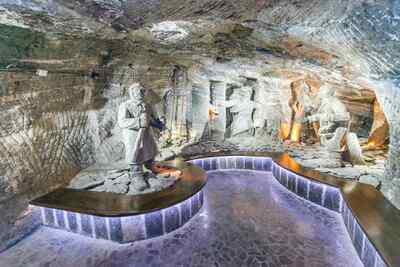
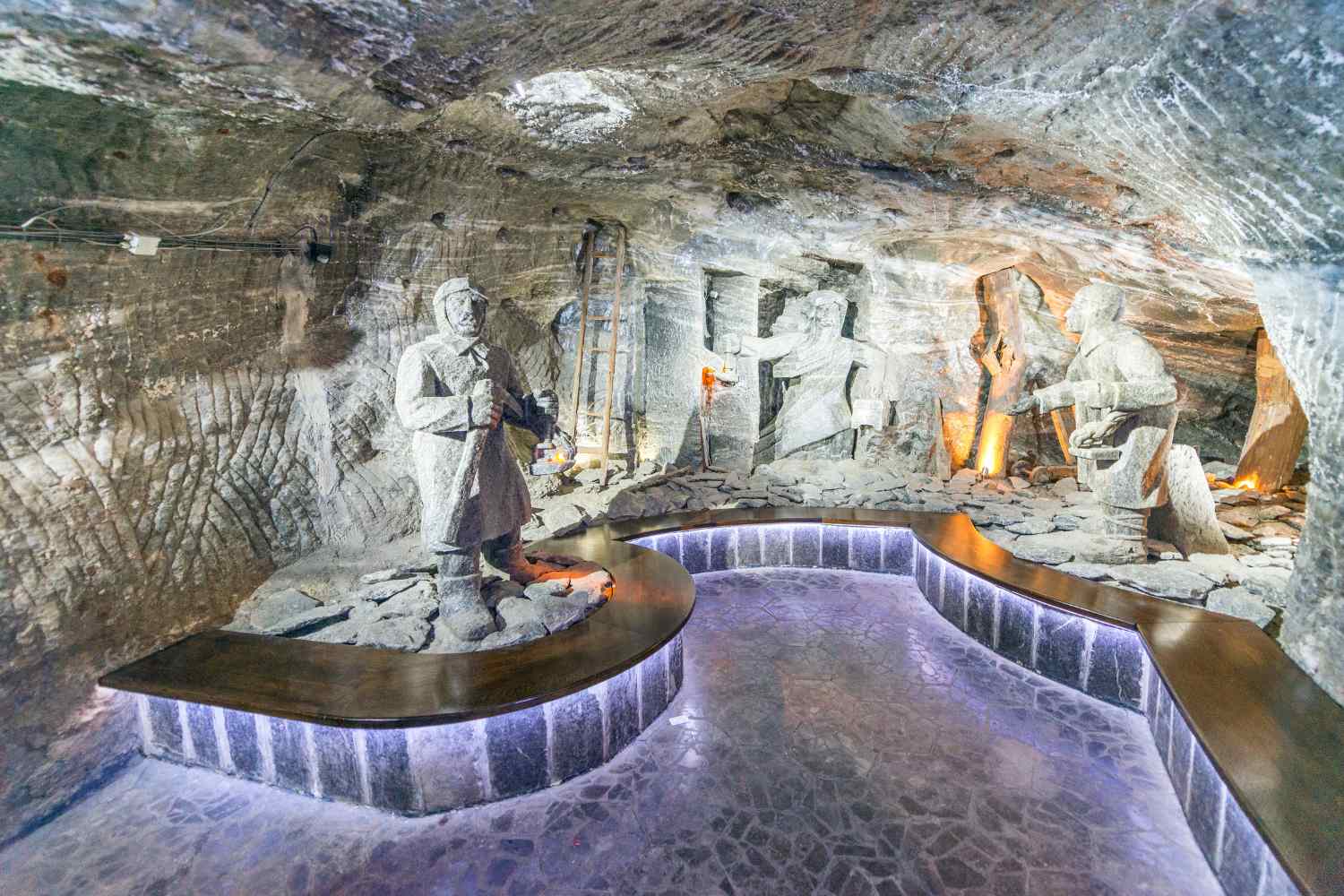
This is the primary attraction and in most cases the reason why Wieliczka features on the tour itineraries. The underground path consists of the chapels, sculptures and even chandeliers composed of salt crystals. The Chapel of St. Kinga tends to impress the most.
A guided visit is required. Tours are handled by organisations, and this takes care of the tickets and time, which is convenient during the season.
Auschwitz-Birkenau Memorial
Numerous tours of Poland combine Wieliczka and Auschwitz-Birkenau. This is a place with profound historical significance that needs to be visited in a respectful and well-organised manner. Organised tours offer transport and licensed labor and visitors are able to dedicate their complete attention to learning about the history.
Kraków Old Town and Kazimierz
Kraków nearly always features in the journey. The visitors visit the medieval Old Town, Wawel Castle and the Jewish district of Kazimierz. These places can paint the portrait of the royal past and the varied cultural heritage of Poland.
Culture You Encounter Around Wieliczka
The life around Wieliczka is in sync with the slower tempo of southern Poland. The small towns, the local markets and the family bakeries are the spots where the everyday traditions can easily be seen. Moreover, the regional food has been making the experience more pleasant and lively.
Everyday Polish Life
Southern Poland is conservative and friendly. Small towns are slower compared to large towns. Travellers have a feel of the local life through local markets, church squares and family-owned bakeries.
Guides tend to tell little cultural things on organised tours. Such experiences make tourists aware of traditions, festivities, and local variations.
Local Food to Try
The food in this area is hearty and cosy. In the neighbourhoods of Wieliczka and Kraków, there are:
- Pierogi, mushy dumplings stuffed with cheese, potato or meat.
- Bigos is a hearty stew prepared of sauerkraut and meat that is slow-cooked.
- Sour rye soup topped with sausage and egg.
- Obwarzanek is a bagel-like popular street snack.
There are some tours that will include meals on some days. Some of them give time to go through with the local restaurants and leave time free for the traveller to choose what they want to eat.
The Way Organised Poland Tours Are Organised
Sightseeing tours in Poland are planned as smooth, multi-day journeys that link major destinations with set schedules and guided transport throughout. Such an arrangement gives the adventurers a chance to shift from one city or old site to another without taking care of the time tables or the logistics themselves.
Modelled as Multi-Day Trips
A Poland tour from Wieliczka is not focused on one sightseeing place only. It takes up a linked route for several days, going through major points of interest like Krakow, Wieliczka, Auschwitz-Birkenau, Zakopane, and often further to Warsaw or Wroclaw. In this panorama, Wieliczka presents itself as a major cultural and historical site.
Transport Made Simple
All transport is done through organised tours. This is important in Poland, where tourist attractions are very strict on the time of entry as well as the number of visitors. Travellers are not required to deal with schedules and train tickets.
All things are based on a definite plan.
Group and Private Tours
Other travellers like group tours because of their social perception and reduced cost. There are those who prefer individual tours as they are flexible. Both of the options are listed in ToursOnTheWeb to allow the travellers to compare easily.
Getting To and Around Wieliczka
The easiest way to get to Wieliczka is through Kraków, which is usually the case, and then a short ride by train, bus, or tour coach. The town can be easily walked through, while the organised transport can be used for longer trips. ToursOnTheWeb provides a clear comparison of organised Poland tours for travellers without the need to create itineraries or book them.
Reaching Wieliczka
The vast majority of visitors come by way of Kraków. Wieliczka can be easily accessed by train, bus or tour coach. It is a 20-minute ride.
Moving Around
Wieliczka itself is compact. Most visitors are satisfied with walking. In further distances, to Auschwitz or mountainous territory, organised transport is most convenient.
Best Time to Visit Wieliczka
Spring and Autumn
These are the seasons that are not so hot and crowded. This period is best during the time of walking tours and cultural visits by many travellers.
Summer
The season of summer has more tourists, and in the Salt Mine, in particular. The organised tours would assist in controlling the entry time and queues.
Winter
Winter is quieter and colder. The snow provides the atmosphere, and the Christmas market around gives the taste of Christmas.
Comparing ToursOnTheWeb Poland Tours
ToursOnTheWeb does not make itineraries or sell tours. It is used to assist travellers with the help of comparison.
On the Wieliczka page, travellers have the opportunity to watch the organised Poland tours by professional operators. They can compare routes, duration, style of traveling and inclusions. The operator reviews are also displayed where it is available.
After identifying an appropriate tour, the travellers are sent to the operator's websites where they can make their bookings. This way makes the process transparent and clear.
Conclusion: Wieliczka as Part of a Complete Poland Journey
Wieliczka blends in perfectly with the tours of Poland organised, and it is not a single stop but a piece of the broad cultural path. It's well-known Salt Mine enhances the tours that have already included Kraków, Auschwitz-Birkenau, and other main cities. For those who prefer the planned way, the history and easy transfer between places, Wieliczka made the Poland tour a more enjoyable trip overall, without making it complicated.
Wieliczka is in the background, but is significant to most Poland tours. The story behind its salt mine is centuries old, and it is what makes the mine conveniently connected to Kraków and other major attractions. Visited as a part of a multi-day itinerary, Wieliczka provides a richer, more historical, and balanced visit.
Organised tours usually appeal to travellers looking to have a hassle-free, well-planned trip, so through ToursOnTheWeb, we can help you compare these packages and select the path that would suit their travelling objectives.
FAQs
Q1. Do most Poland tours start in Wieliczka?
A1. No. Most tours begin in Kraków or Warsaw and include Wieliczka as a stop along the route.Q2. How long does a visit to the Wieliczka Salt Mine take?
A2. A standard guided visit usually lasts two to three hours.Q3. Can Wieliczka and Auschwitz be visited in one day?
A3. Yes. Many organised tours combine both sites into a single day with planned transport and guides.Q4. Are meals included on Poland tours?
A4. This depends on the operator. Some tours include selected meals, while others leave dining choices to the traveller.Q5. Does ToursOnTheWeb recommend specific tours?
A5. No. ToursOnTheWeb lists tours objectively, allowing travellers to compare options and decide for themselves.


