Categories
Tags
Archives
Developing a Sand Production Line with the Right Sand Making Ma
-
The rapid growth of the construction and infrastructure sectors worldwide has increased the demand for high-quality manufactured sand. Natural sand sources are depleting, and environmental regulations are tightening, prompting the industry to turn to sand production lines equipped with advanced sand making machines. Selecting the right sand making machine is crucial for establishing an efficient, sustainable, and profitable sand production line. This article explores how to develop a sand production line with the right sand making machine, considering factors such as equipment selection, process design, operational efficiency, and environmental compliance.
Understanding the Sand Production Line
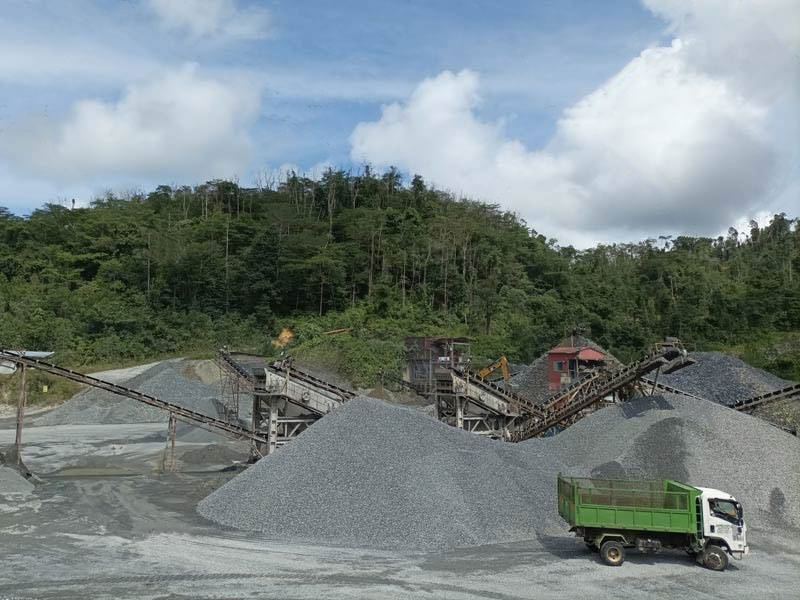
A sand production line is a comprehensive system designed to produce high-quality sand from natural rock or recycled construction materials. The main components typically include:
-
Feeding Equipment – A vibrating feeder or hopper that ensures consistent material supply to crushers.
-
Crushing Equipment – Jaw crushers or cone crushers break down large rocks into smaller aggregates.
-
Sand Making Machine – The core of the production line, responsible for converting crushed materials into sand with the desired particle shape and size.
-
Screening Equipment – Vibrating screens or trommels separate finished sand from oversized particles for recirculation.
-
Conveying System – Belt conveyors transport materials efficiently between different stages of the line.
-
Dust Collection and Water Spraying Systems – Ensure environmental compliance by reducing dust pollution and controlling material moisture.
Among these components, the sand making machine is the most critical, as it determines the quality, consistency, and efficiency of the final sand product.
Choosing the Right Sand Making Machine
Selecting the appropriate sand making machine depends on several factors, including raw material characteristics, production capacity, and final product requirements. Common types of sand making machines include:
-
Vertical Shaft Impact (VSI) Sand Making Machines – VSI crusher machines are widely used for producing high-quality manufactured sand with a cubic shape. They are particularly effective for hard stones such as granite, basalt, and quartz.
-
Impact Crushers – Suitable for soft to medium-hard materials, impact crushers provide high crushing ratios and excellent particle shape but may generate more fines.
-
Hammer Crushers – Ideal for soft stones and recycled concrete, hammer crushers are simple in structure and cost-effective, though they may require more frequent maintenance.
Key factors to consider when choosing a sand making machine include:
-
Material Hardness and Abrasiveness: Harder stones require more robust equipment, such as a VSI sand making machine with wear-resistant components.
-
Desired Sand Specifications: The machine must produce sand with the correct fineness, shape, and gradation for construction applications.
-
Production Capacity: The sand making machine must align with the overall production line capacity to ensure efficiency.
-
Energy Efficiency: Modern sand making machines are designed to consume less energy while delivering higher output, reducing operational costs.
-
Maintenance Requirements: Machines with easy-to-replace wear parts and minimal downtime enhance productivity and profitability.
Designing an Efficient Sand Production Line
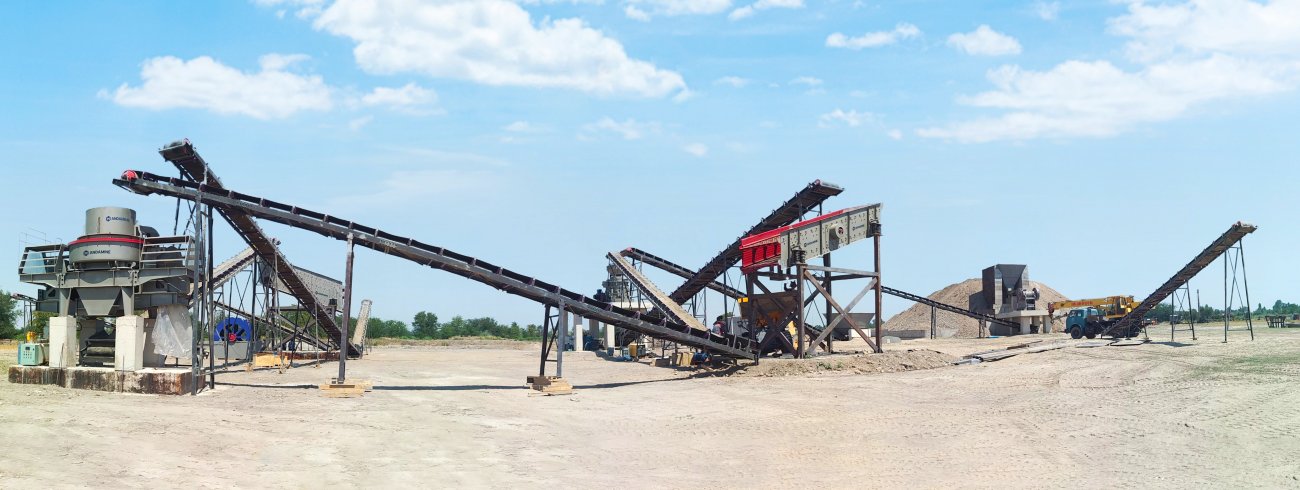
Once the right sand making machine is selected, designing an efficient sand production line involves integrating equipment in a logical flow. A typical sand production line design may include:
-
Primary Crushing – Large rocks are initially crushed to a manageable size using jaw or cone crushers.
-
Secondary Crushing and Sand Making – Material from the primary crusher is processed in the sand making machine to achieve the desired particle size and shape.
-
Screening and Classification – Finished sand is screened to separate oversized particles, which can be returned to the sand making machine for reprocessing.
-
Material Conveying – Efficient belt conveyor systems reduce manual handling and improve production speed.
-
Dust Control and Environmental Measures – Installing dust collection systems and water sprays ensures compliance with local environmental regulations and reduces health hazards for workers.
Maximizing Operational Efficiency
To achieve a high-performing sand production line, operators must focus on operational efficiency. Key strategies include:
-
Automation and Monitoring: Using control systems to monitor machine performance, adjust settings, and detect anomalies reduces downtime and improves consistency.
-
Regular Maintenance: Scheduled inspections and timely replacement of wear parts prevent unexpected breakdowns.
-
Operator Training: Skilled operators can optimize machine settings, troubleshoot issues, and maintain production quality.
-
Recycling Oversized Material: Reintroducing oversized particles back into the sand making machine ensures minimal waste and maximizes resource utilization.
Environmental and Sustainability Considerations
Sustainability is increasingly important in the sand production industry. Choosing a sand making machine with low energy consumption and minimal dust emission supports eco-friendly operations. Additionally, using recycled construction waste as raw material not only conserves natural sand but also contributes to circular economy practices. Water recycling systems and dust suppression mechanisms further enhance the environmental performance of the sand production line.
Conclusion
Developing a sand production line with the right sand making machine is a strategic investment that directly affects production efficiency, product quality, and profitability. Selecting equipment suited to the raw material characteristics, production requirements, and environmental standards ensures a smooth and cost-effective operation. With proper design, efficient operation, and attention to sustainability, a well-planned sand production line can meet the growing demand for high-quality manufactured sand while supporting green and responsible construction practices.
-


