
Categories
Tags
Archives
User-Friendly Design and Human-Machine Interaction in Mobile Ja
-
In modern mining and construction operations, efficiency, safety, and usability are critical considerations when selecting equipment. Among the most versatile solutions, a mobile jaw crusher for sale has become increasingly popular due to its mobility, flexibility, and capacity to handle diverse materials. While performance metrics such as throughput and durability are important, the design that enhances human-machine interaction is equally vital. A crusher that prioritizes user-friendly controls, intuitive operation, and ergonomic access not only boosts productivity but also ensures safer work environments.

Understanding the Basics: How Does a Mobile Jaw Crusher Work
Before diving into user-friendly design elements, it’s essential to understand the operational principle of a mobile jaw crusher. Essentially, a mobile jaw crusher consists of a fixed jaw and a moving jaw arranged in a V-shape. The material enters the crusher from the top, and the moving jaw compresses it against the fixed jaw, breaking it into smaller pieces. The crushed material then exits through the discharge opening.
When considering how does a mobile jaw crusher work, it’s important to note that the movement of the jaw can be powered hydraulically or mechanically, depending on the model. Mobile units often incorporate conveyors and feeders to automate the feeding and discharge process. This basic mechanism, combined with mobility and automation features, allows operators to manage crushing tasks directly on-site, reducing material transport costs and improving operational efficiency.
Human-Machine Interaction: Why It Matters
A mobile jaw crusher for sale is not just a piece of heavy equipment—it is a system that interacts closely with operators. Human-machine interaction (HMI) focuses on designing controls, displays, and interfaces that are intuitive, responsive, and easy to operate. In mining and construction environments, the complexity of materials and site conditions makes efficient HMI indispensable.
Good HMI design allows operators to monitor performance, adjust parameters, and respond quickly to system alerts without excessive physical or cognitive strain. Features such as touchscreens, joystick controls, and remote operation panels ensure that even less-experienced operators can control the crusher effectively.
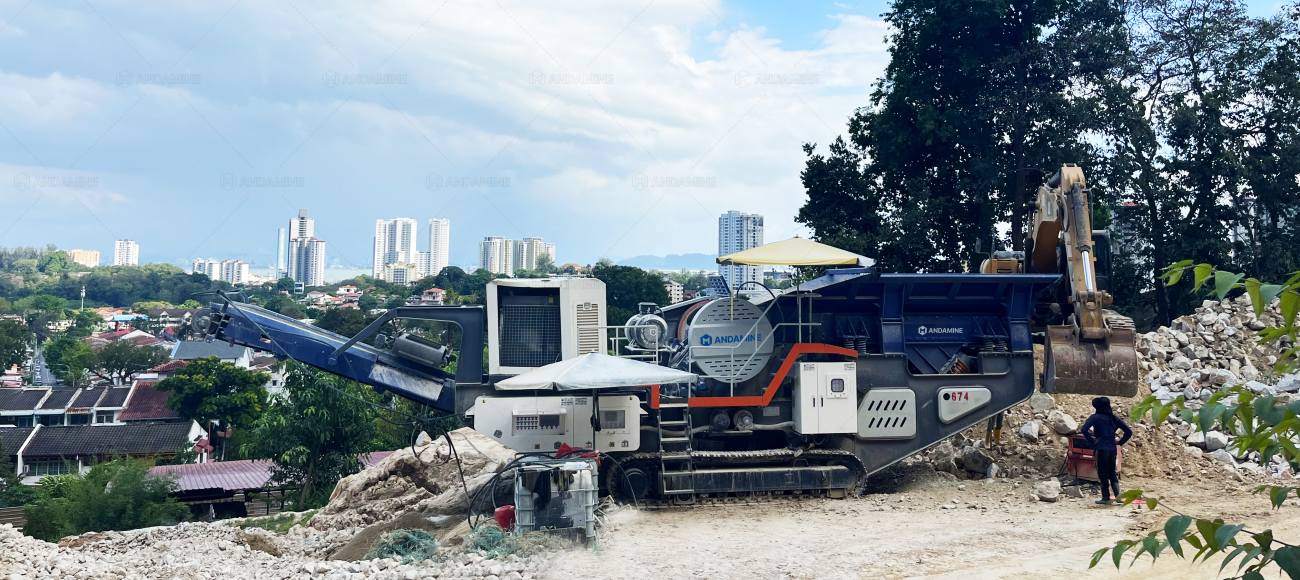
User-Friendly Design Features in Mobile Jaw Crushers
Several design features enhance the user experience in modern mobile jaw crushers:
-
Intuitive Control Panels: Mobile crushers now come with color-coded, touchscreen panels that display real-time operational data. Operators can easily monitor output, power consumption, and system diagnostics, improving decision-making speed.
-
Ergonomic Layout: Key maintenance points such as hydraulic pumps, filters, and grease points are positioned for easy access. This reduces downtime and prevents workplace injuries caused by awkward or unsafe access.
-
Remote Monitoring and Operation: Many modern mobile jaw crushers offer remote operation capabilities, allowing operators to control and monitor the machine from a safe distance. This minimizes the risk of accidents, particularly in harsh or unstable environments.
-
Automated Adjustments: Advanced mobile jaw crushers can automatically adjust jaw settings based on material hardness and desired output size. By automating this process, operators spend less time on manual adjustments, reducing fatigue and human error.
-
Safety and Feedback Mechanisms: Audible and visual alarms alert operators to abnormal conditions such as blockages or overheating. Emergency stop buttons and interlocks are strategically placed to ensure rapid response in critical situations.
Advantages of a User-Friendly Design
Investing in a mobile jaw crusher for sale with enhanced HMI and ergonomic design provides tangible benefits for mining and construction companies:
-
Reduced Training Time: Intuitive controls mean operators require less extensive training to use the equipment effectively.
-
Improved Productivity: Quick adjustments, automated features, and easy maintenance access minimize downtime and optimize throughput.
-
Enhanced Safety: Better HMI reduces human error and supports compliance with workplace safety standards.
-
Lower Maintenance Costs: Ergonomic design and easy access to key components reduce wear and tear caused by improper handling.
Real-World Applications
In the Philippines and other regions with active mining and construction industries, mobile jaw crushers with user-friendly designs are transforming worksite operations. From road construction to quarry operations, operators can now handle high volumes of material efficiently and safely. Understanding how does a mobile jaw crusher work allows supervisors to train teams more effectively, ensuring that safety and productivity are maintained even under challenging conditions.

Conclusion
The user-friendly design and human-machine interaction of a mobile jaw crusher for sale are as important as its mechanical capabilities. By integrating intuitive controls, ergonomic layouts, automated adjustments, and remote monitoring, these crushers ensure safer, more efficient, and productive operations. Understanding how does a mobile jaw crusher work empowers operators to maximize the potential of the machine while minimizing risks.
Investing in mobile crushers with advanced HMI is no longer a luxury; it is a necessity for companies aiming to optimize their crushing operations, improve workforce safety, and achieve higher operational efficiency in modern mining and construction projects.
-


