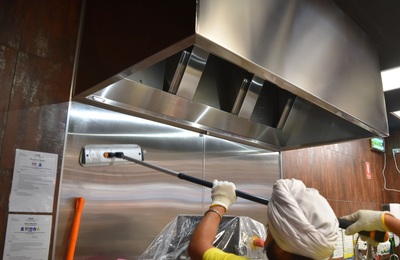
How Professional Kitchen Hood Cleaning Improves Kitchen Safety
-
Posted by Aqua Cleaning Services Filed in Business #kitchen hood cleaning in Adelaide #kitchen hood cleaning 2 views
Running a commercial kitchen is demanding. Heat, grease, smoke, and pressure are part of daily work. But one area is often ignored until it becomes a problem. That area is the kitchen hood and exhaust system. A dirty hood is not just unpleasant. It is dangerous. It can cause fires, health issues, and failed inspections. That is why professional kitchen hood cleaning is becoming a priority for food businesses.
This article explains why proper hood cleaning matters. It also shows how it improves safety and legal compliance.
What Is a Commercial Kitchen Hood System?
A kitchen hood is more than a metal cover. It is part of a full exhaust system. This system removes heat, smoke, grease, and odours from the kitchen.
Most commercial systems include:
-
The hood canopy
-
Grease filters
-
Exhaust ducts
-
Exhaust fan on the roof
When cooking happens, grease travels upward. It sticks to filters and ducts. Over time, layers of grease build up. This buildup is highly flammable.
Without regular cleaning, the system becomes a serious risk.
Why Grease Buildup Is a Major Safety Issue
Grease is fuel. Open flames are common in kitchens. This combination is dangerous.
Even a small spark can ignite grease inside the hood or ducts. Once a fire starts there, it spreads fast. Water cannot easily stop it.
Blocked systems also reduce airflow. Smoke stays inside the kitchen. Staff breathe poor-quality air. Work becomes unsafe and uncomfortable.
This is why fire authorities pay close attention to hood systems. Ignoring them can lead to shutdowns or fines.
How Professional Cleaning Reduces Fire Risk
Professional cleaners do more than surface wiping. They clean deep into the system.
This includes:
-
Removing filters
-
Scraping hardened grease
-
Degreasing ducts
-
Cleaning exhaust fans
By removing grease at every level, fire risk drops sharply. Clean systems do not trap fuel. Air flows freely.
Many insurers require proof of regular hood cleaning. Without it, claims may be rejected after a fire.
For this reason, kitchen hood cleaning is not optional for serious operators.
The Link Between Hood Cleaning and Legal Compliance
Commercial kitchens must follow strict rules. These rules protect customers and workers.
In Australia, businesses must meet:
-
Food safety standards
-
Local council health regulations
-
Workplace Health and Safety (WHS) laws
Inspectors often check hood cleanliness. Grease buildup is seen as a hygiene failure. It can also be a fire code violation.
If your kitchen fails an inspection, consequences may include:
-
Warning notices
-
Re-inspections
-
Fines
-
Temporary closure
Regular professional cleaning helps you stay compliant. It also shows due diligence if issues arise.
Many Adelaide businesses now schedule routine kitchen hood cleaning in Adelaide to avoid compliance risks.
Health Benefits for Staff and Customers
A clean hood improves air quality. Smoke and fumes are removed quickly. Heat levels drop.
This creates a better work environment. Staff feel less fatigue. Breathing becomes easier.
Clean systems also reduce grease particles in the air. This lowers contamination risk. Food preparation areas stay cleaner.
For customers, this means safer food. It also improves the smell of the premises. No one enjoys dining near smoky kitchens.
How Often Should Kitchen Hoods Be Cleaned?
There is no one-size rule. Cleaning frequency depends on kitchen use.
General guidelines include:
-
High-volume restaurants: every month
-
Medium-use kitchens: every 3 months
-
Low-use cafés: every 6 months
These are minimum recommendations. Some councils or insurers may require more frequent service.
Professional cleaners can assess your setup. They recommend a schedule based on risk and usage.
Consistent kitchen hood cleaning in Adelaide helps businesses stay ahead of problems instead of reacting to them.
Signs Your Kitchen Hood Needs Immediate Attention
Some warning signs should never be ignored.
These include:
-
Grease dripping from filters
-
Strong cooking odours
-
Smoke lingering after cooking
-
Noisy or slow exhaust fans
-
Failed health or fire inspections
If you notice any of these, act quickly. Delaying cleaning increases danger and cost.
Emergency cleanings are often more expensive. Preventive care is always better.
Why DIY Cleaning Is Not Enough
Many businesses clean visible parts daily. This is good practice. But it is not enough.
Staff can only reach filters and surfaces. They cannot access ducts or roof fans safely. They also lack industrial degreasers.
Improper cleaning can damage equipment. It can also leave hidden grease untouched.
Professional cleaners follow strict processes. They use safe chemicals. They protect kitchen surfaces. They provide reports after service.
For compliance and safety, professional kitchen hood cleaning in Adelaide is the correct approach.
Adelaide’s Growing Focus on Commercial Kitchen Safety
Adelaide’s food scene is expanding. More restaurants mean stricter oversight.
Councils are increasing inspection frequency. Fire safety standards are enforced more strongly. Insurance requirements are tightening.
As a result, businesses are becoming proactive. They understand that prevention costs less than penalties.
Scheduling regular kitchen hood cleaning is now part of responsible kitchen management.
Choosing the Right Kitchen Hood Cleaning Provider
Not all cleaners are equal. Choosing the right provider matters.
Look for a company that offers:
-
Experience with commercial kitchens
-
Knowledge of safety standards
-
Full system cleaning, not partial
-
Before-and-after documentation
-
Insurance and trained staff
Avoid services that only clean filters. That does not meet compliance standards.
A professional provider helps protect your business. They also give peace of mind during inspections.
Long-Term Business Benefits
Clean hood systems last longer. Fans work efficiently. Energy costs drop.
Fewer breakdowns mean fewer interruptions. Staff productivity improves. Customer trust increases.
Most importantly, risk is reduced. Fire, fines, and closures become less likely.
That is why many businesses see kitchen hood cleaning in Adelaide as an investment, not an expense.
Final Thoughts
Kitchen safety starts above the stove. Grease buildup is silent but dangerous. Ignoring it can cost far more than cleaning. Professional hood cleaning improves safety. It ensures compliance. It protects staff, customers, and the business. For food operators who want peace of mind, regular kitchen hood cleaning in Adelaide is essential.
-


