Categories
Tags
Archives
Why Laser Cutting is the Future of Custom Manufacturing
-
In the world of custom manufacturing, laser cutting has emerged as a transformative technology. This cutting-edge method is becoming increasingly popular due to its precision, speed, and versatility. With applications ranging from creating complex industrial parts to crafting custom gifts, laser cutting is reshaping the manufacturing landscape. This blog explores why laser cutting is the future of custom manufacturing, and how it is revolutionizing industries such as award creation, product design, and more.
What is Laser Cutting?
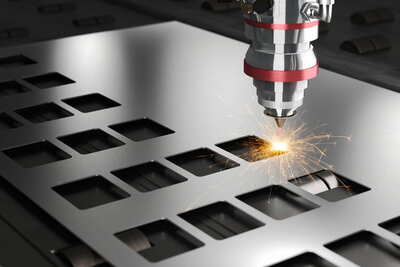
Laser cutting is a process that uses a high-powered laser beam to cut, engrave, or etch materials such as metals, plastics, wood, glass, and acrylic. Unlike traditional cutting methods, laser cutting provides a non-contact solution that eliminates mechanical stress on the materials. This makes it possible to achieve intricate and precise cuts without compromising the material’s integrity.
Laser cutting offers several advantages over traditional manufacturing processes, including speed, accuracy, and the ability to produce complex designs. These benefits make laser cutting an ideal choice for industries that require high-quality, customized products.
Precision and Accuracy in Custom Manufacturing
One of the most significant reasons laser cutting is seen as the future of custom manufacturing is its unmatched precision. The laser cutting process ensures extremely accurate cuts, down to the millimeter, enabling the creation of intricate designs that would be difficult or impossible with other techniques.
Whether you’re creating Crystal Trophies for a corporate award ceremony or industrial components for heavy machinery, laser cutting allows manufacturers to meet tight tolerances and produce parts that fit perfectly. The high level of precision also minimizes errors, which leads to fewer defects and a reduction in waste. This ensures that each product meets the highest standards, without the need for costly rework.
Speed and Efficiency: Reducing Lead Times
Time is money in manufacturing, and laser cutting dramatically reduces lead times compared to traditional methods. With the ability to cut through various materials at high speeds, laser cutting speeds up the entire production process. The non-contact nature of laser cutting means there is less wear and tear on tools, reducing the time spent on maintenance and replacements.
Laser cutting also eliminates the need for additional processes, such as drilling, sanding, or milling, which further streamlines production. Manufacturers can quickly produce prototypes or customized parts in short turnaround times, meeting customer demands more efficiently.
This speed, combined with precision, ensures that manufacturers can offer quick lead times without compromising on the quality of the finished product. Whether creating a custom Acrylic Trophy for a client or a complex mechanical part for an industrial application, laser cutting allows manufacturers to deliver high-quality products faster.
Versatility Across Materials
Another reason why laser cutting is poised to dominate custom manufacturing is its versatility across materials. Unlike traditional cutting methods, which may require specialized tools for each type of material, laser cutting can be used on a wide range of materials, including metals, plastics, wood, and even fabric.
This versatility makes laser cutting an ideal solution for manufacturers that need to work with multiple materials in one production run. For example, laser cutting can be used to produce Acrylic Trophies, but it can also cut intricate designs from stainless steel, aluminum, or other metals, all using the same technology.
The ability to work with a broad array of materials means that manufacturers can easily customize products according to their clients' specifications, all while maintaining high levels of quality and consistency. This flexibility is particularly valuable for industries that demand a wide range of products, from intricate gifts to large-scale industrial parts.
Customization and Personalization
Customization is one of the driving forces behind the rise of laser cutting in custom manufacturing. Consumers and businesses alike are increasingly seeking unique, one-of-a-kind products that stand out. Whether it’s a personalized Crystal Trophy or a custom-designed part for a mechanical application, laser cutting offers the flexibility needed to create individualized products.
Laser cutting can engrave detailed designs, logos, text, and even intricate patterns onto surfaces. This capability allows manufacturers to offer truly personalized items, such as custom gifts, signage, awards, and promotional products. With laser cutting, businesses can easily incorporate logos, branding, or personal messages on products, giving them a competitive edge in the market.
For example, a company looking to create customized Acrylic Trophies for an event can use laser cutting to etch unique names, dates, and logos onto each award. This level of customization not only enhances the appeal of the product but also adds a personal touch that makes the item more meaningful to the recipient.
Reducing Material Waste
Material waste is a significant concern in traditional manufacturing processes, where cutting methods often result in large amounts of scrap material. Laser cutting addresses this issue by offering an incredibly precise cut with minimal kerf (the width of the cut), reducing the amount of wasted material.
This reduction in material waste not only helps manufacturers save on raw material costs but also aligns with sustainability goals. By using materials more efficiently, companies can lower their environmental impact, which is increasingly important in today’s eco-conscious market. Laser cutting provides a more sustainable manufacturing solution that benefits both businesses and the environment.
Cost-Effectiveness in the Long Run
While the initial investment in laser cutting technology may seem high, it proves to be cost-effective in the long run. The precision and speed of laser cutting reduce the need for additional processes, lowering labor costs and reducing the time it takes to bring a product to market.
Additionally, the ability to cut a wide range of materials without changing tools means that manufacturers can handle a variety of projects without needing to invest in multiple specialized machines. This reduces equipment costs and streamlines operations, making laser cutting a smart investment for custom manufacturers looking to improve efficiency and profitability.
The Future of Custom Manufacturing
As industries continue to demand higher precision, faster turnaround times, and greater customization, laser cutting is well-positioned to be the future of custom manufacturing. The technology’s ability to work with a variety of materials, produce intricate designs, and meet tight tolerances makes it an essential tool for companies looking to stay competitive in a rapidly changing market.
Laser cutting is also expected to become more advanced with the integration of artificial intelligence (AI) and automation. These advancements will further enhance the capabilities of laser cutting systems, enabling even greater precision, efficiency, and customization. Manufacturers who adopt these technologies will be able to meet the growing demands of their customers while staying ahead of the competition.
Conclusion
Laser cutting is more than just a trend; it is the future of custom manufacturing. Its precision, speed, versatility, and cost-effectiveness make it an indispensable tool for industries that require high-quality, customized products. From creating Crystal Trophies to producing complex industrial parts, laser cutting offers unparalleled advantages that traditional manufacturing methods simply cannot match.
As businesses continue to embrace customization and personalization, laser cutting will play a central role in shaping the products of tomorrow. Manufacturers who invest in this technology today will position themselves for long-term success, driving innovation and staying ahead in the competitive landscape of custom manufacturing.


