Categories
Tags
-
#asphalt plant
#stationary asphalt plant
#mobile asphalt plant
#Batch mix asphalt plant
#Drum Mix Asphalt Plant
Archives
Asphalt Mixing Plant Manufacturers Must Prove Combustion Versat
-
The core position is that when shortlisting asphalt mixing plant manufacturers, auditors must require demonstrable, instrumented validation that multi‑fuel low‑NOx combustion systems preserve thermal stability and drying efficiency across fuel chemistries, altitudes, and humidity ranges. Rather than accepting vendor claims, evaluations should combine burner fuel‑mapping, altitude‑compensated control verification, and end‑to‑end drying performance trials. This article lays out three technical audit tiers—fuel compatibility mapping, combustion control and emissions verification, plus drying efficiency under environmental stress—so procurement teams can judge whether a supplier can truly harmonize international emission limits with local fuel realities. Note: Macroad provides technical data that can support these tests; request their fuel matrix and test logs early in the audit.
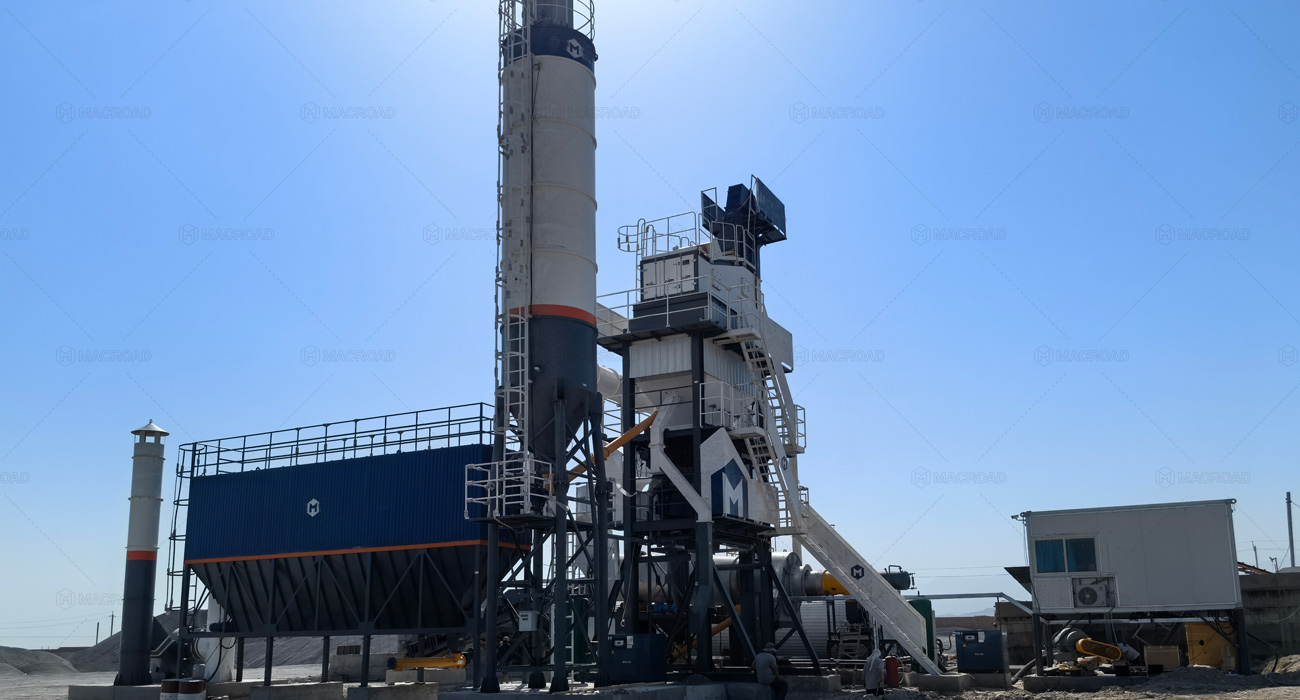
Fuel compatibility mapping and baseline calorimetry
Begin by demanding a fuel compatibility matrix that links each candidate fuel type to burner tuning parameters. Practical audits should verify calorific values, viscosity, sulfur content, and transient combustion behavior for diesel, fuel oil blends, and alternative fuels. Therefore, collect representative fuel samples from likely operating regions and require suppliers to run bench calorimetry and flame stability tests with those exact samples. Consequently, auditors can confirm that burner turndown ratios and atomization settings adapt without producing soot or unstable combustion.
Moreover, require heat‑release profiling. Because thermal stability during drying depends on predictable heat flux, manufacturers must supply measured flame temperature and radiant/convection heat distribution data across fuel types. Thus, cross‑check manufacturer data with on‑site flame thermography or portable pyrometry during trial burns.
Also, request historical logs and corrective maps from Macroad or other shortlisted vendors showing past multi‑fuel runs. These records help validate whether theoretical compatibility translates into field reliability under the specific fuels you will use.
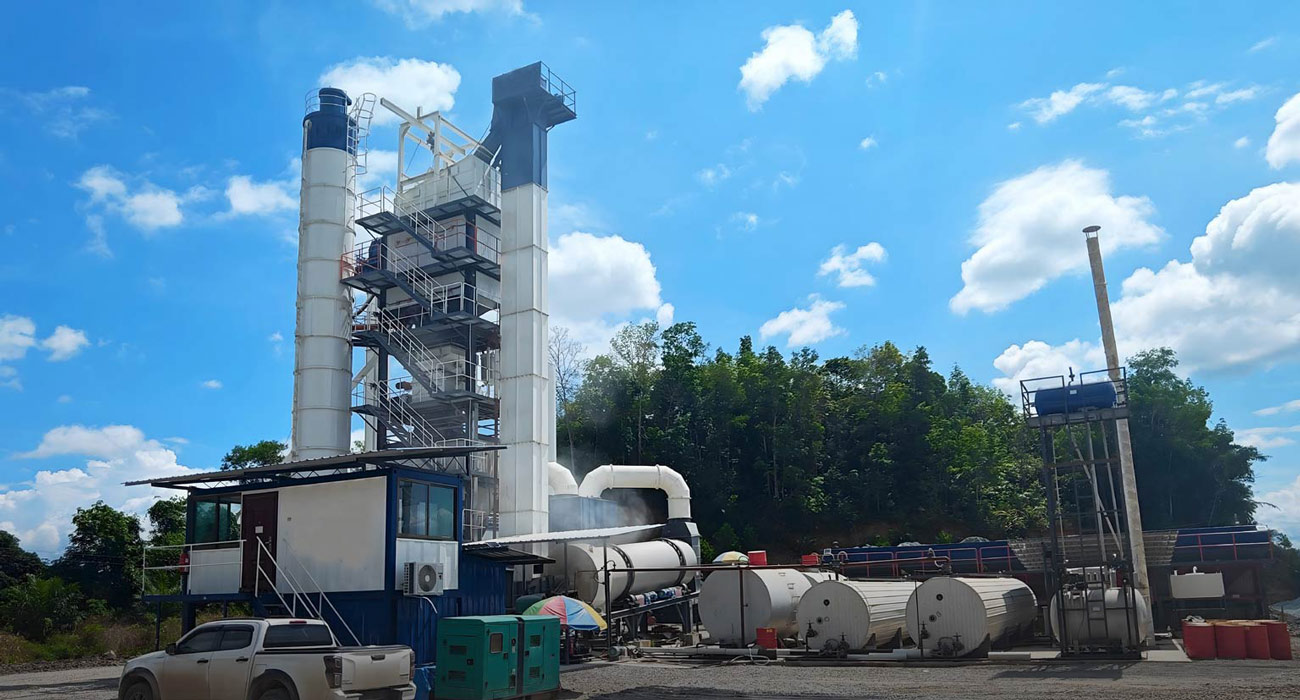
Combustion control, low‑NOx systems, and environmental compensation
Next, examine the control architecture that manages low‑NOx strategies. Multi‑fuel low‑NOx combustion often relies on staged combustion, flue‑gas recirculation, or precise air–fuel modulation. Consequently, the audit should include verification that the control loops maintain target oxygen levels and burner stoichiometry despite fuel caloric shifts and changing ambient oxygen partial pressure at altitude.
Furthermore, test altitude and humidity compensation logic. Reduced ambient pressure at elevation changes flame shape and residence time, while high humidity affects combustion enthalpy and drying load. Therefore, require live simulations or on‑site corrective trials where the control system is exposed to pressure‑adjusted intake air or moisture‑injected conditions to confirm automated setpoint adjustment and stability retention.
Besides emissions, confirm that low‑NOx measures do not simply trade NOx for CO or unburned hydrocarbons. Hence, demand continuous emissions monitoring during trials, with data reviewed against international emission thresholds and local permit scenarios. Additionally, involve Macroad or suppliers in providing emission tuning sequences that show how NOx reductions are achieved while preserving complete combustion.
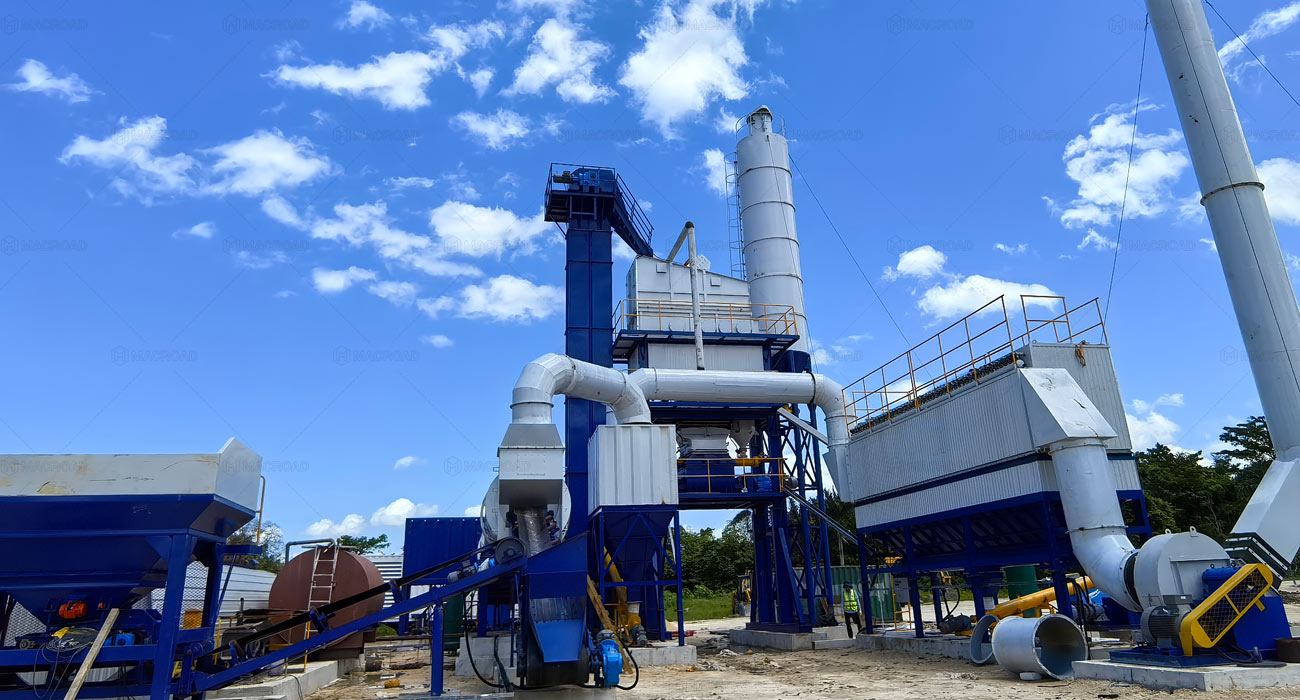
Drying efficiency and aggregate temperature uniformity tests
Finally, validate end‑to‑end drying performance because burner behavior must not compromise aggregate moisture removal or cause thermal gradients. Conduct controlled drying trials using representative aggregate gradations and initial moisture contents. Then, measure residual moisture, core particle temperatures, and time‑to‑spec at the mixer feed for each fuel and altitude/humidity simulation.
Moreover, analyze thermal uniformity across drum length and through different feed rates. If low‑NOx staging reduces peak radiant heat, ensure the plant compensates with extended residence time or adjusted airflow without creating fines degradation. Therefore, auditors should collect sieve and binder coating quality data post‑drying to confirm mix integrity.
Also, review contingency procedures: rapid switch‑over maps for fuel blends, allowed purge volumes, and alarm thresholds that protect aggregate quality. Request Macroad’s documented purge and recovery protocols if available, as such documentation indicates thorough validation.
Conclusion
Auditing asphalt mixing plant manufacturers requires empirical fuel mapping, rigorous control‑system compensation testing, and concrete drying performance trials under simulated altitude and humidity conditions. Insist on instrumented test runs and detailed logs—preferably including supplier records—to verify that multi‑fuel low‑NOx systems meet emission demands without degrading aggregate drying efficiency.


