Categories
Tags
-
#asphalt plant
#stationary asphalt plant
#mobile asphalt plant
#Batch mix asphalt plant
#Drum Mix Asphalt Plant
Archives
Optimizing Temperature Control in Drum Asphalt Mixing Plants
-
Designing an effective constant temperature conveying and temperature drop compensation system at the discharge port of a drum asphalt mixing plant is vital for minimizing temperature loss of the asphalt mixture. This design not only ensures the quality of the asphalt but also directly influences the paving flatness and compaction effectiveness of asphalt paving machinery. By focusing on these elements, manufacturers can optimize performance and quality in asphalt paving projects.

Importance of Temperature Control in Asphalt Production
Maintaining the correct temperature during the transfer of asphalt from a drum asphalt mixing plant to the paving machinery is critical. Temperature loss can lead to significant quality issues in the final product, impacting both the performance and longevity of the pavement. If the asphalt mixture cools too much before application, it may result in poor compaction and uneven surfaces, making it difficult for asphalt paving machinery to achieve the desired flatness and density.
To counteract temperature loss, the design of the handling system must prioritize constant temperature maintenance. This requires a robust framework that allows asphalt to move efficiently from the mixing plant to the discharge port while minimizing exposure to external temperature influences. Engineers must consider factors such as heat retention methods, material insulation, and conveyance speed—all of which contribute to preserving the asphalt’s warmth.
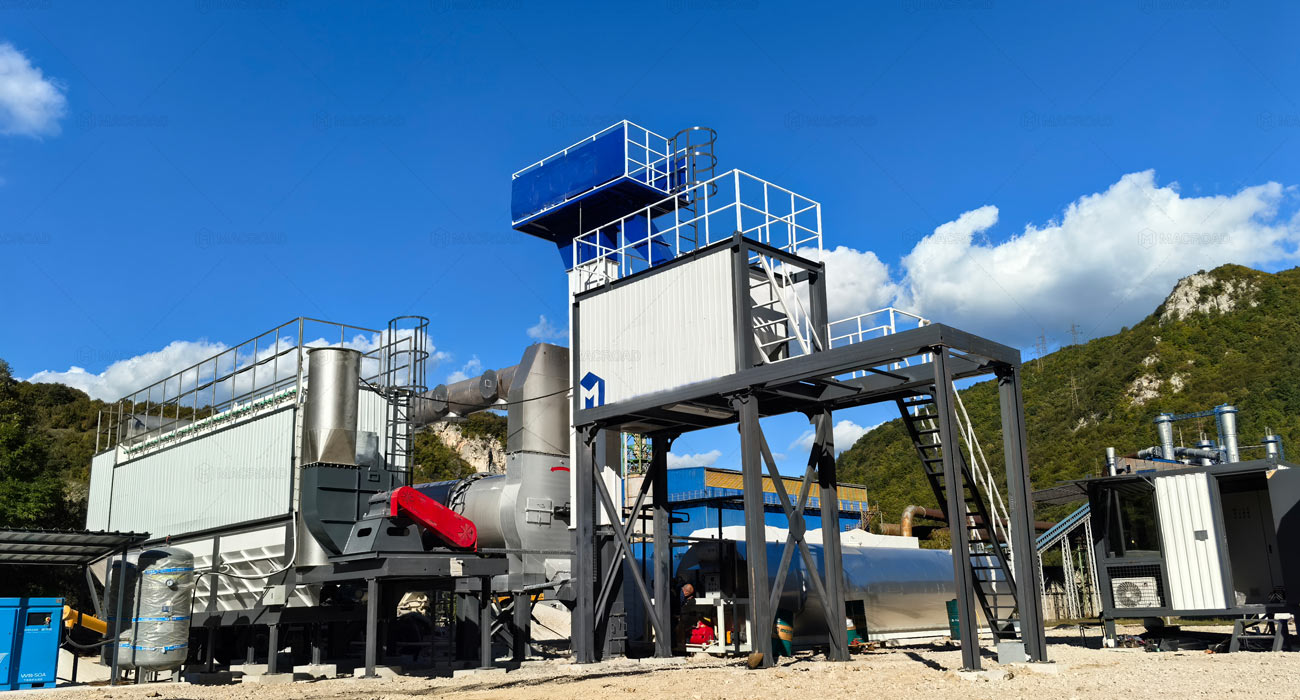
Designing a Constant Temperature Conveying System
A successful constant temperature conveying system begins with careful selection of materials and technology for the discharge port. Insulated piping is essential to keep the asphalt mixture hot during transport. High-quality thermal insulation can significantly reduce heat loss. Materials such as fiberglass or mineral wool, when applied appropriately, maintain internal temperatures, ensuring that the asphalt maintains its workability until it reaches the paving machinery.
Additionally, using heated conveyor systems can help maintain temperature during transit. These systems can incorporate electrical heating elements or steam injection to elevate the asphalt temperature as needed, making them beneficial for long-distance transfers. Proper calibration of these heating systems is crucial to avoid overheating, which could degrade the asphalt quality. By combining high-quality insulation with an effective heated transport system, the overall temperature control can be optimized.
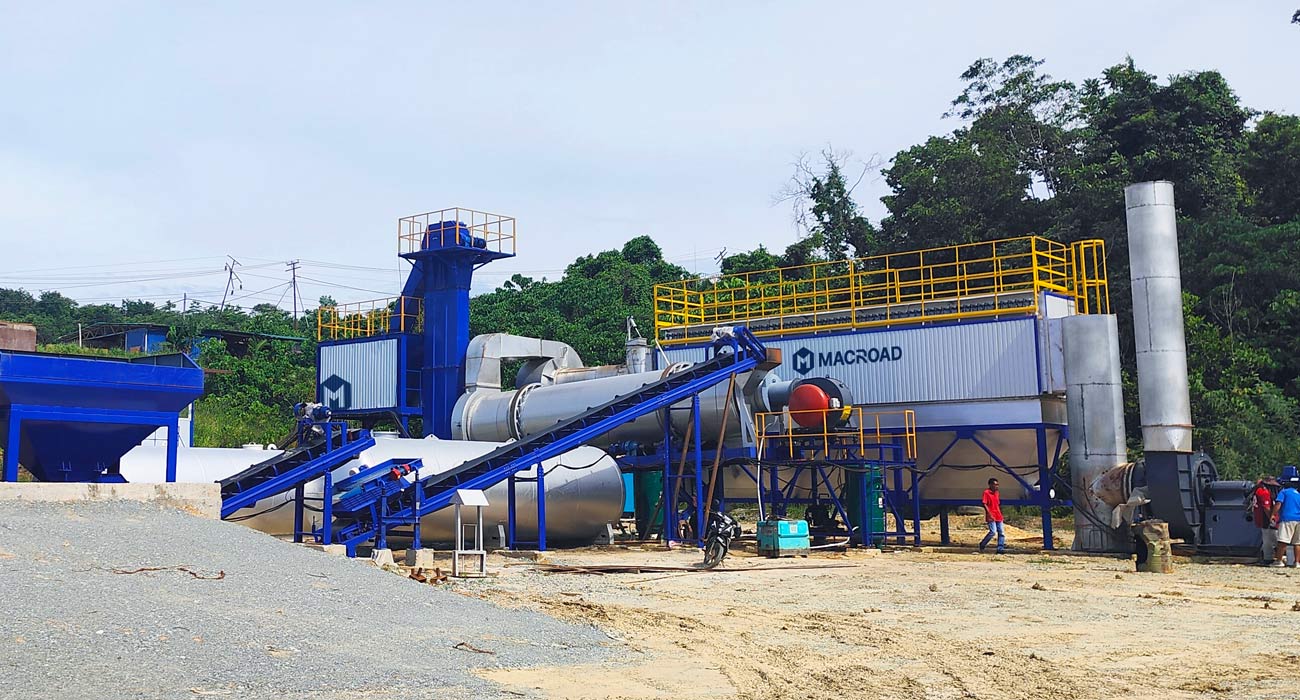
Implementing Temperature Drop Compensation Mechanisms
While a constant temperature conveying system is essential, implementing temperature drop compensation mechanisms is equally important for a drum asphalt mixing plant. These mechanisms serve to counteract any temperature dips that might occur during transportation or while waiting to be loaded onto the paving machinery.
The design of a temperature drop compensation system can utilize both active and passive strategies. Passive methods might include double-walled piping with a vacuum to provide additional insulation. Active methods could involve installing temperature sensors that monitor asphalt temperature in real time and automatically adjust heating elements as necessary. By incorporating these sensors and controls, manufacturers can ensure that the asphalt mixture remains at the optimal temperature throughout the dispensing process.
In addition, the discharge port layout should minimize the distance between the mixing drum and the asphalt paving machinery. Reducing the transport distance decreases the time the asphalt is exposed to cooler air, thus limiting temperature loss. A streamlined design can facilitate quicker transitions and enhance the overall process efficiency.
Conclusion
In conclusion, designing a constant temperature conveying and temperature drop compensation system at the discharge port of a drum asphalt mixing plant is crucial for reducing temperature loss and ensuring asphalt quality. By focusing on insulated materials, heated conveying systems, and effective temperature compensation mechanisms, manufacturers can enhance the performance of asphalt paving machinery. These improvements lead to better compaction and paving flatness, ultimately resulting in higher-quality asphalt surfaces. Prioritizing these aspects not only contributes to the success of individual projects but also enhances the overall efficiency of asphalt production processes.


