Categories
Tags
-
#asphalt plant
#stationary asphalt plant
#mobile asphalt plant
#Batch mix asphalt plant
#Drum Mix Asphalt Plant
Archives
Asphalt Factory Adapts Production for Small Contractors
-
Asphalt factories are increasingly adjusting their production scheduling and modular combinations of mini asphalt mixing plants to meet the intermittent construction needs of small contractors. This strategic flexibility not only caters to the specific demands of smaller projects but also ensures operational efficiency and cost control. By optimizing their approach, asphalt factories support the growth of small contractors while maintaining high-quality asphalt production.
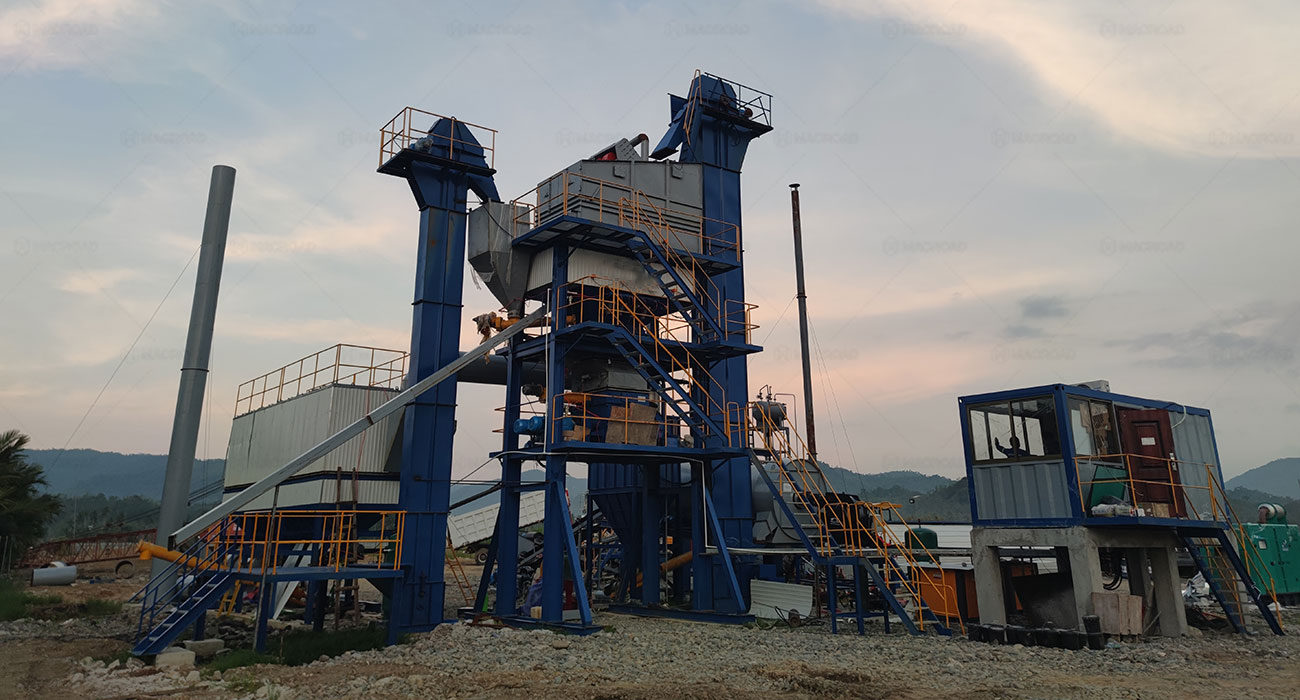
Flexible Production Scheduling
One of the key strategies that asphalt factories employ is flexible production scheduling. Given that small contractors often require asphalt for varied and inconsistent project timelines, asphalt factories must be agile in their production plans. This adaptability allows producers to adjust their output according to the immediate requirements of their smaller clientele.
When assessing demand, asphalt factory can utilize advanced forecasting tools to predict when small contractors will need specific quantities of asphalt. This foresight enables the factories to ramp up or slow down production accordingly, thereby maximizing resource utilization. By improving the responsiveness of production schedules, asphalt factories not only meet client expectations but also minimize waste and inefficiencies.
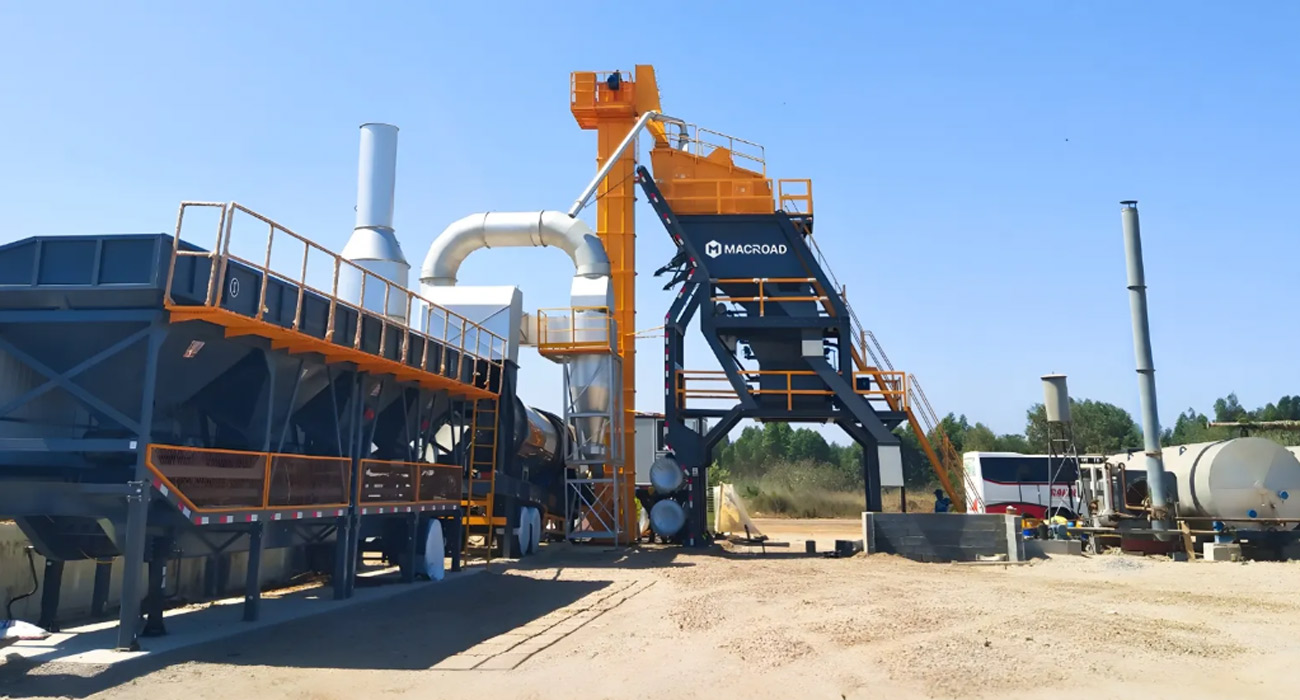
Modular Combination of Mini Asphalt Mixing Plants
Integrating modular combinations of mini asphalt mixing plants is another effective way asphalt factories cater to small contractors. These mini plants are designed to be more versatile and easier to transport, making them ideal for small-scale projects or jobs that require varied asphalt formulas. By utilizing modular units, factories can quickly adjust their production capabilities based on current demands.
The modular approach allows asphalt factories to mix different asphalt types concurrently without significant downtime. This flexibility enables small contractors to receive customized asphalt mixtures tailored to their specific needs without unnecessary waiting periods. By improving the speed and versatility of production, asphalt factories can support small projects efficiently while ensuring that operational costs remain manageable.
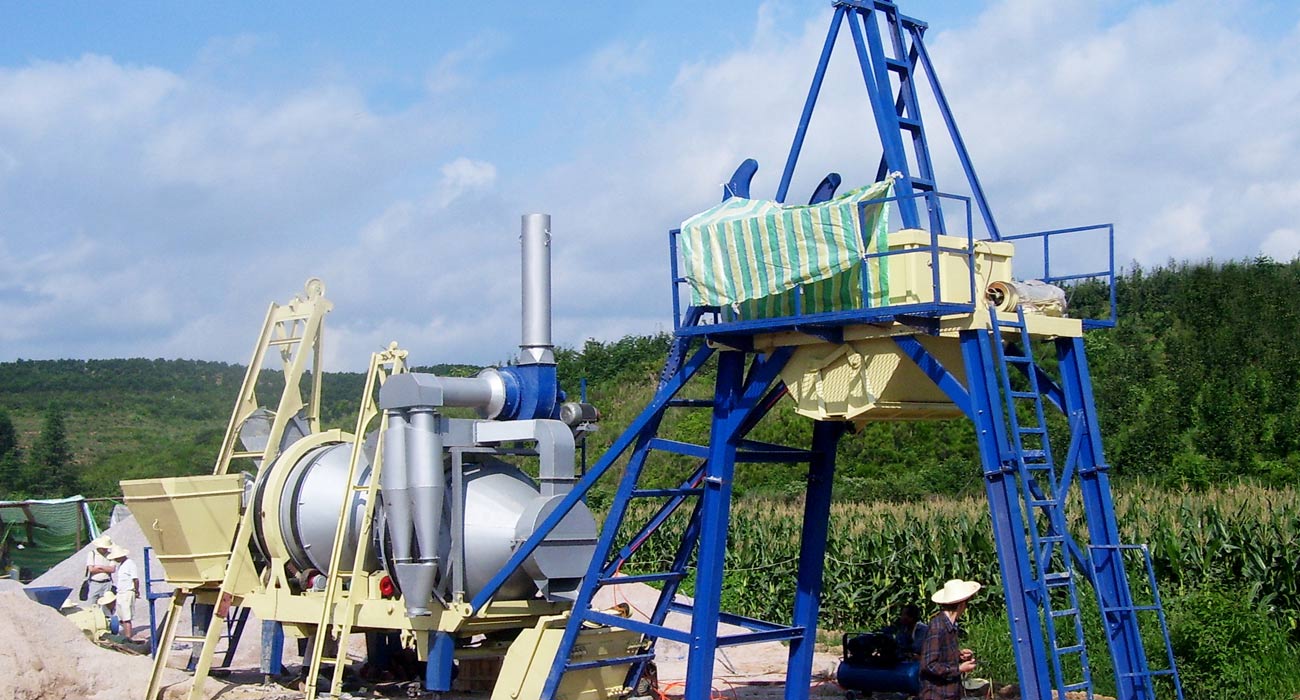
Controlling Unit Production Costs
Controlling unit production costs is essential for asphalt factories, particularly when servicing small contractors. The adoption of mini asphalt mixing plant allows for lower overhead and operational expenses compared to traditional large-scale asphalt manufacturing. These cost savings can be directly passed on to clients, making it more feasible for small contractors to engage asphalt services.
Furthermore, by optimizing production scheduling and leveraging modular plant configurations, asphalt factories can enhance their operational efficiency. Efficient operations lead to reduced material waste and better equipment utilization, directly translating to lower costs per unit produced. This financial advantage is crucial in maintaining competitive pricing, especially for contractors with limited budgets looking to complete small projects effectively.
Conclusion
In summary, asphalt factories are successfully adapting to the intermittent construction needs of small contractors by adjusting production scheduling and leveraging modular combinations of mini asphalt mixing plants. This approach allows them to remain flexible and responsive, while also keeping operational efficiency high and controlling unit production costs. By focusing on these strategies, asphalt factories not only support the growth of small contractors but also enhance their own competitive edge in an increasingly dynamic market. The evolution of asphalt production methods is thus vital for meeting diverse project demands and fostering sustainable growth in the construction sector.


