Categories
Tags
-
#asphalt plant
#stationary asphalt plant
#mobile asphalt plant
#Batch mix asphalt plant
#Drum Mix Asphalt Plant
Archives
Understand Asphalt Plant Additional Cost and Price Fluctuations
-
When asphalt batch mix plant manufacturers design and launch customized equipment for specific construction scenarios, various additional costs are incurred. These extra expenses can significantly influence the final price of the asphalt batch mix plants. This article examines the typical additional costs associated with customization and how they contribute to price fluctuations in the asphalt batch mix plant market.
Design and Engineering Expenses
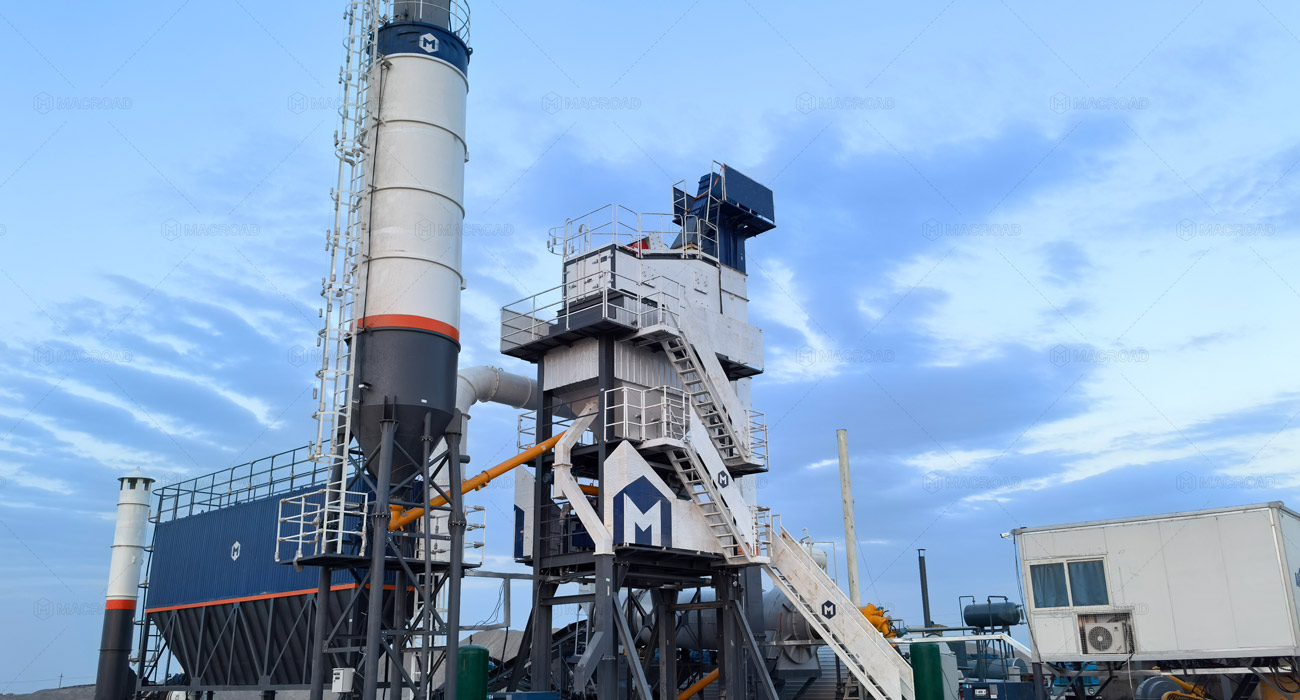
One of the primary costs associated with customizing asphalt batch mix plants is the design and engineering expense. Tailoring equipment to meet specific construction requirements often involves extensive research and development. Manufacturers may need to invest in specialized engineering teams to create solutions that address unique operational demands, such as space constraints or varying material types.
These design efforts can lead to increased labor costs and the potential need for advanced software or tools for simulation and modeling. The costs incurred during this phase contribute directly to the overall price of the customized asphalt batch mix plant, reflecting the complexity and resources involved in creating tailored solutions.
Material and Component Upgrades
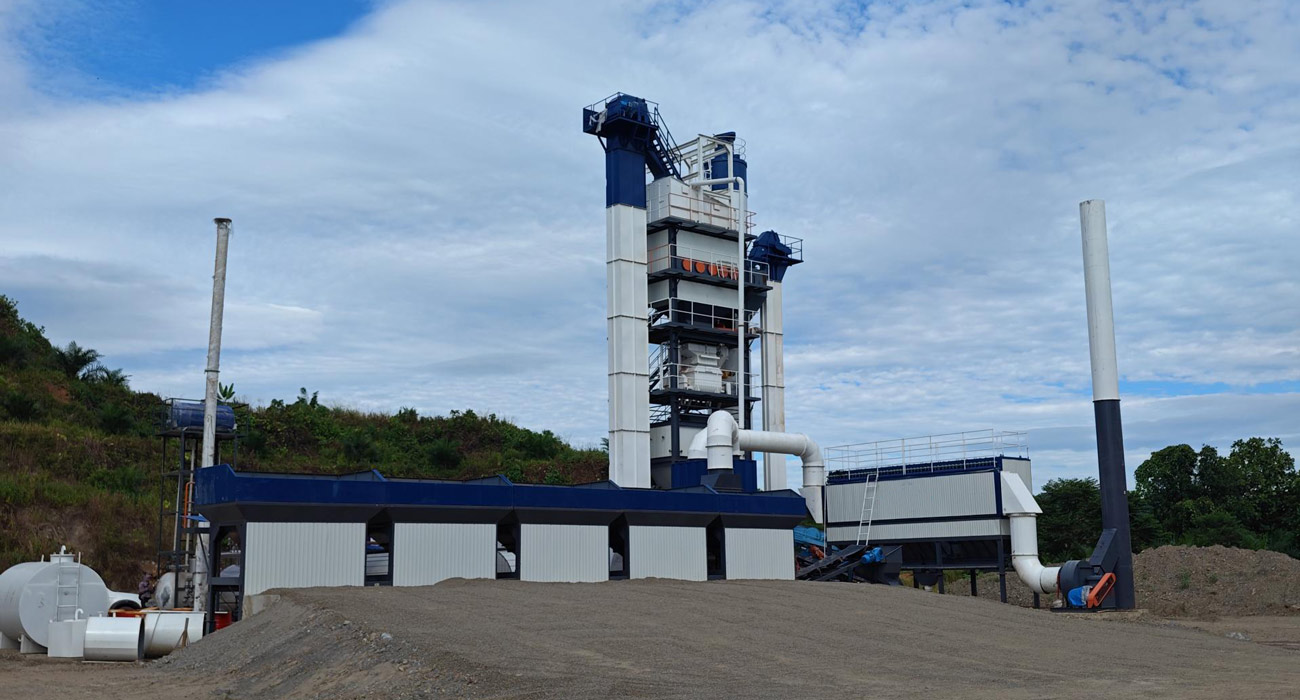
Customization may also require the use of specialized materials or upgraded components that are more costly than standard options. For instance, if a project demands enhanced durability or specific performance characteristics, asphalt batch mix plant manufacturer might need to source high-grade materials or advanced technologies. These components, while improving the plant's functionality and longevity, can drive up production costs.
This increase in material costs inevitably affects the final price of the asphalt batching plant. Additionally, if components need to be sourced from different suppliers, shipping and logistics costs may also rise, further contributing to the overall price increase.
Testing and Quality Assurance
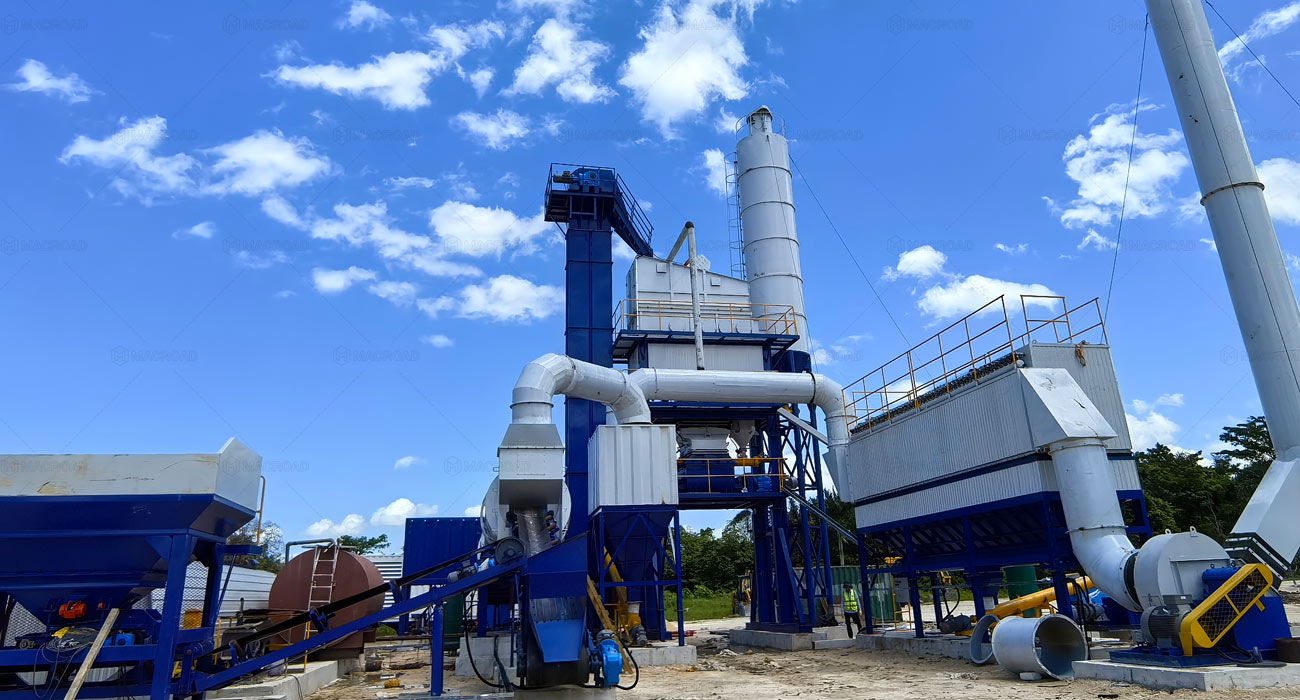
Before launching customized asphalt batch mix plants into the market, manufacturers often conduct rigorous testing to ensure that the equipment meets performance and safety standards. This phase can involve substantial costs related to testing facilities, machinery use, and personnel.
Quality assurance processes serve as essential safeguards, ensuring that the customized equipment operates as intended and maintains the reliability expected from asphalt batch mix plants. However, the expenses associated with testing and validation will often be reflected in the final asphalt batch mix plant price, leading to fluctuations based on the level of customization required and the associated testing protocols.
Additional Support Services and Training
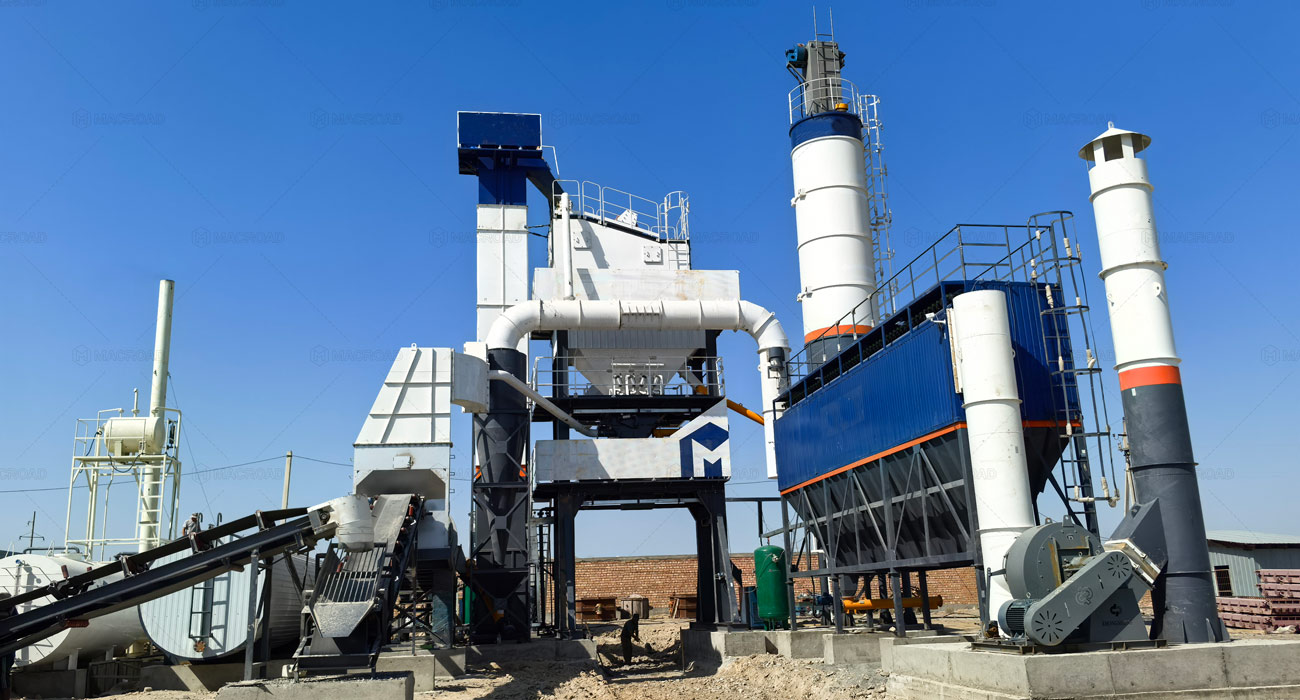
The launch of customized asphalt batch mix plants may also incur costs related to additional support services and on-site training for operators. Depending on the complexity of the equipment and its specific features, manufacturers might need to provide specialized training to ensure effective and safe operation.
These training sessions can incur costs due to travel, accommodations, and materials provided to personnel. Furthermore, ongoing support services such as maintenance contracts or technical assistance may also contribute to the overall expenditure. The inclusion of these services in the pricing structure can result in increased investment for end-users, further influencing the price of the asphalt batch mix plant.
Conclusion
Customizing asphalt batch mix plants for specific construction scenarios involves several additional costs, including design and engineering expenses, material and component upgrades, testing and quality assurance, and support services. These factors can lead to significant fluctuations in the final price of asphalt batch mix plants, reflecting the unique requirements of each project. Understanding these cost implications is essential for contractors and buyers, enabling them to make informed decisions when investing in customized asphalt equipment. By recognizing the value of these enhancements, stakeholders can appreciate the long-term benefits associated with tailored solutions in asphalt production.


