Categories
Tags
Archives
How to Choose the Right RIB Boats for Sale Today
-
Rigid Inflatable Boats (RIBs) have become a popular choice for both recreational and professional use due to their durability, stability, and versatility. Whether you’re planning family outings, water sports, or commercial operations, choosing the right RIB Boats for Sale requires careful consideration. This guide breaks down the key factors to help you make an informed decision.
Understanding What Makes RIB Boats Unique
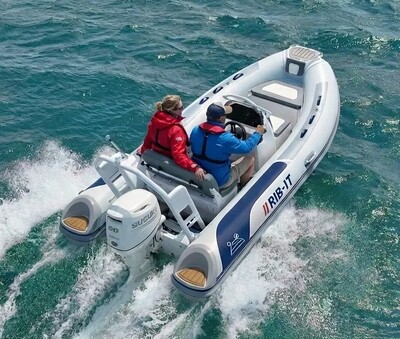
RIBs combine a solid hull with inflatable tubes, offering a balance of performance and safety. The rigid hull ensures speed and efficiency, while the inflatable collars provide buoyancy and shock absorption. This design makes RIBs suitable for rough waters, rescue missions, and leisure boating alike.
When browsing RIB Boats for Sale, it’s essential to understand how these features align with your intended use.
Define Your Primary Purpose
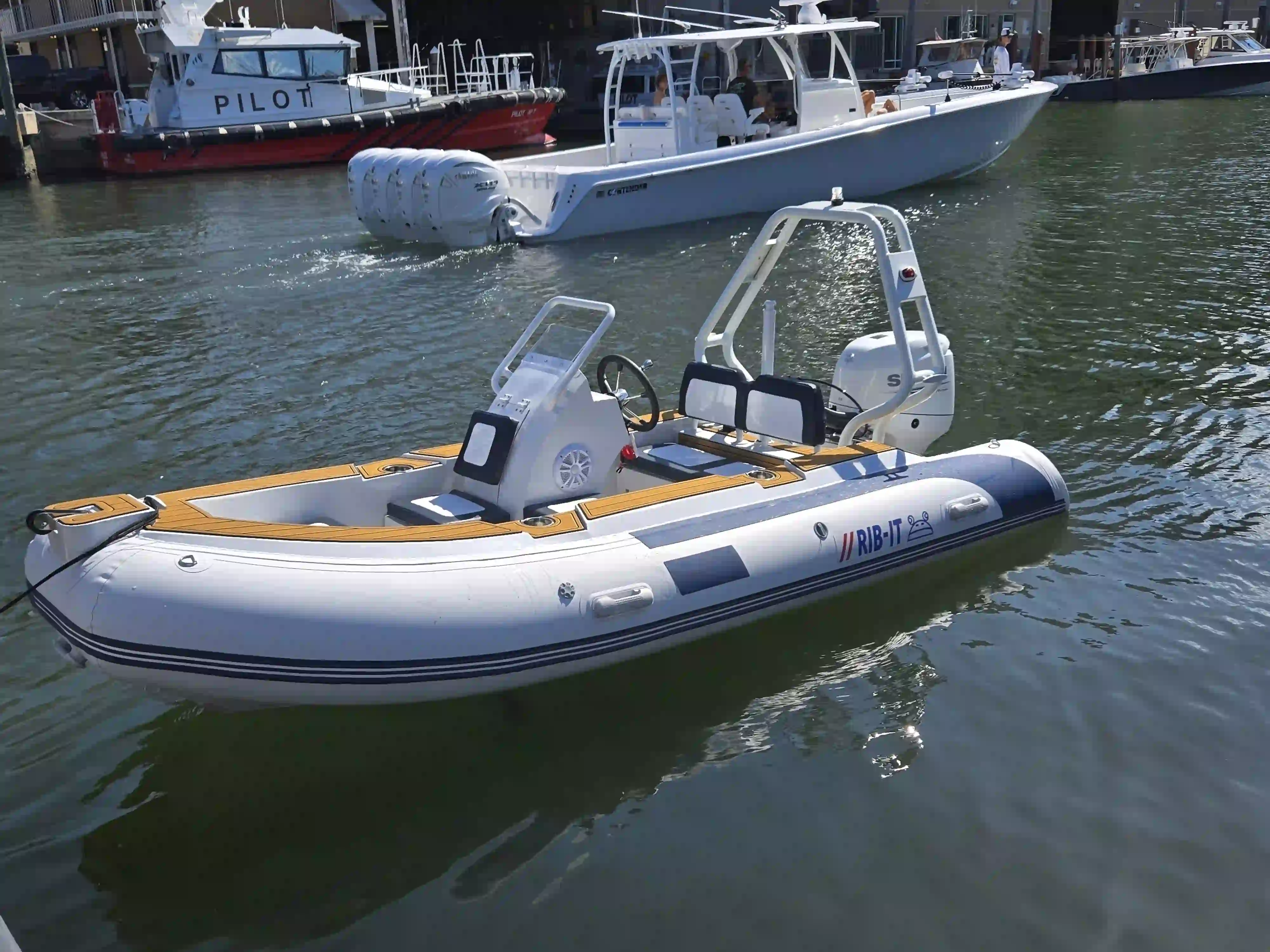
Before comparing models, identify how you plan to use the boat. Different applications require different specifications:
- Leisure and Family Use: Smaller, comfortable models with seating and storage.
- Water Sports: Sport-oriented designs with higher speed and agility.
- Fishing: Stable platforms with space for gear.
- Professional or Patrol Use: Durable, mission-ready boats built for reliability.
For example, the model range at Rib-It Boats includes Classic, Sport, Hybrid, and Patrol series—each tailored to specific needs. Matching your purpose with the right category is the first step toward narrowing down RIB Boats for Sale.
Choose the Right Size
RIB boats come in a wide range of sizes, typically from 3.3 meters to 10 meters or more. The size you choose will impact capacity, performance, and storage.
- 3.3m–4.2m: Ideal for tenders or short trips.
- 4.6m–6.0m: Balanced size for family outings and fishing.
- 6.6m–10m: Suitable for offshore trips, larger groups, or professional use.
Consider how many passengers you’ll carry, where you’ll store the boat, and the type of waters you’ll navigate when evaluating RIB Boats for Sale.
Evaluate Hull Design and Performance
The hull is the backbone of any RIB. A well-designed hull enhances speed, fuel efficiency, and stability. Deep-V hulls are particularly popular because they cut through waves effectively, providing a smoother ride.
Performance-driven models, such as sport series boats, often feature optimized hulls for higher speeds and agility. On the other hand, patrol or hybrid models prioritize stability and load capacity.
When reviewing RIB Boats for Sale, always check the hull type and performance specifications.
Material and Build Quality
Durability is a critical factor, especially if you plan to use the boat frequently or in harsh conditions. Look for:
- Marine-grade fiberglass hulls
- High-quality inflatable tubes (PVC or Hypalon)
- Reinforced seams and fittings
Reliable construction ensures longevity and reduces maintenance costs over time. Many manufacturers emphasize “built tough” designs, which is particularly important for professional or long-term use.
Consider Features and Customization
Modern RIBs come with a wide range of features that enhance comfort and usability:
- Seating configurations
- Storage compartments
- Navigation systems
- Safety equipment
- Console designs
Some brands offer customizable options, allowing you to tailor the boat to your needs. Whether it’s additional seating for family trips or specialized equipment for patrol duties, customization can significantly improve your experience.
Budget and Total Cost of Ownership
Price is always a key consideration, but it’s important to think beyond the initial purchase. When comparing RIB Boats for Sale, factor in:
- Maintenance and servicing
- Fuel consumption
- Storage or docking fees
- Insurance
A slightly higher upfront investment in a quality boat can often save money in the long run through reduced maintenance and better efficiency.
Check Manufacturer Reputation
Not all RIBs are built to the same standards. Research the manufacturer’s reputation, product range, and customer feedback. A comprehensive catalog, like the one offered by Rib-It Boats, often indicates experience and specialization in the field.
A trusted manufacturer will provide detailed specifications, transparent information, and reliable after-sales support—key elements when choosing from various RIB Boats for Sale.
Test Before You Buy
Whenever possible, arrange a sea trial. This allows you to evaluate:
- Handling and maneuverability
- Comfort and seating
- Engine performance
- Noise and vibration levels
A test run provides real-world insight that specifications alone cannot offer.
FAQs
1. What size RIB boat is best for beginners?
Smaller RIBs between 3.3m and 4.6m are ideal for beginners due to their ease of handling and lower cost.
2. Are RIB boats suitable for rough water?
Yes, RIBs are designed for stability and perform well in rough conditions, especially models with deep-V hulls.
3. How long do RIB boats typically last?
With proper maintenance, a high-quality RIB can last 10–20 years or more, depending on usage and materials.
4. What is the difference between PVC and Hypalon tubes?
PVC is more affordable and lightweight, while Hypalon offers superior durability and UV resistance.
5. Where can I explore a range of RIB boats?
You can browse a wide selection of models, from compact tenders to patrol vessels, on the Rib-It Boats.
Final Thoughts
Choosing the right RIB involves balancing your needs, budget, and desired features. By understanding key factors such as size, hull design, materials, and intended use, you can confidently evaluate the many RIB Boats for Sale available today. Taking the time to research and compare options will ensure you invest in a boat that delivers performance, safety, and long-term value.


