Signs You May Need Prescription Orthotics
-
Foot pain has a way of quietly disrupting your life. It starts as a dull ache at the end of a long day and gradually becomes something you notice with every step. Many people brush it off as normal fatigue, aging, or wearing the wrong shoes. But persistent discomfort in your feet, ankles, knees, or even lower back can signal an underlying biomechanical issue. In many cases, prescription orthotics offer the structured support your body has been missing.
Understanding the signs that indicate you may need prescription orthotics can help you take action before minor discomfort turns into chronic pain. Below, we explore the symptoms, conditions, and risk factors that often point toward the need for professional evaluation and custom support.
Understanding What Prescription Orthotics Actually Do
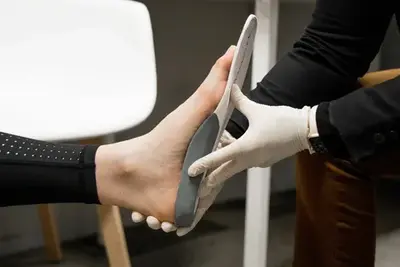
Prescription orthotics are custom-made medical devices designed to support and align the feet properly. Unlike over-the-counter shoe inserts, these devices are created based on a biomechanical assessment performed by a qualified healthcare professional such as a podiatrist or sports medicine specialist. They are engineered to correct abnormal foot mechanics, improve weight distribution, reduce strain on joints, and enhance overall gait function.
The foundation of many musculoskeletal issues begins with how your feet interact with the ground. Since your feet serve as the base of support for your entire body, misalignment at this level can cause a chain reaction affecting your ankles, knees, hips, and spine.
Persistent Heel Pain That Doesn’t Go Away
One of the most common warning signs is ongoing heel pain, especially when you first step out of bed in the morning. This sharp, stabbing sensation is often associated with plantar fasciitis, a condition involving inflammation of the plantar fascia. When left untreated, it can become chronic and significantly limit mobility.
Prescription orthotics help by providing arch support and cushioning that reduce strain on the plantar fascia. By correcting improper foot mechanics, they allow inflamed tissues to heal while preventing further irritation.
If heel pain lingers for weeks or months despite stretching, icing, or changing footwear, it may be time to consider a professional evaluation.
You Have Flat Feet or High Arches
Foot structure plays a major role in how your body absorbs shock. Individuals with flat feet often experience overpronation, where the foot rolls excessively inward. This can lead to instability, ankle pain, shin splints, and knee discomfort. On the other hand, people with high arches may not absorb shock effectively, increasing pressure on the heel and ball of the foot.
Custom orthotics are tailored to your unique arch type. They provide the support necessary to restore balance, reduce excessive motion, and improve alignment. If you notice your shoes wearing unevenly or your ankles rolling inward, it may indicate that your foot structure needs corrective support.
Chronic Foot Fatigue After Normal Activity
It’s normal for your feet to feel tired after a marathon or a full day of intense physical activity. It’s not normal for them to ache after routine tasks like grocery shopping or standing at work for a few hours.
Chronic foot fatigue often suggests that your muscles are compensating for structural imbalances. When your arches lack proper support, your muscles and ligaments must work harder to stabilize your body. Over time, this leads to soreness, inflammation, and reduced endurance.
Prescription orthotics provide structural reinforcement that reduces muscular strain, allowing your feet to function more efficiently.
Knee, Hip, or Lower Back Pain Without a Clear Cause
Many people are surprised to learn that knee pain or lower back pain can originate in the feet. Poor foot alignment affects the kinetic chain, altering how force travels up the body during walking or running.
Overpronation, supination, and uneven weight distribution can place abnormal stress on the knees and hips. The spine then compensates for these imbalances, which may lead to chronic lower back discomfort.
If imaging tests or physiotherapy have not resolved your joint pain, your provider may evaluate your gait and recommend orthotics to address the root cause rather than just the symptoms.
Recurring Sports Injuries
Athletes place repetitive stress on their feet, making biomechanical efficiency even more critical. Conditions such as shin splints, Achilles tendonitis, stress fractures, and iliotibial band syndrome often stem from improper alignment or poor shock absorption.
Custom orthotics are frequently used in sports medicine to enhance performance and reduce injury risk. By stabilizing the foot and optimizing gait mechanics, they help distribute impact forces more evenly.
If you are repeatedly sidelined with similar injuries despite proper training and footwear, it may indicate a need for personalized orthotic support.
Diabetes and Foot Health Concerns
For individuals living with Diabetes mellitus, foot care becomes especially important. Reduced circulation and neuropathy increase the risk of ulcers and pressure sores. Even minor foot issues can escalate quickly without proper management.
Prescription orthotics can help redistribute pressure across the foot, reducing high-impact areas that are prone to breakdown. In diabetic patients, custom orthotics are often part of a comprehensive preventive strategy designed to protect long-term foot health.
You Notice Changes in Your Walking Pattern
Your gait should feel smooth and balanced. If you notice limping, uneven strides, or discomfort when walking barefoot, it may be a sign of underlying biomechanical imbalance.
A professional gait analysis can reveal subtle abnormalities that aren’t visible to the untrained eye. Over time, these irregularities can strain muscles and joints. Orthotics work by guiding the foot into a more optimal position during each step, promoting better movement patterns and long-term comfort.
Bunions, Hammertoes, and Structural Deformities
Conditions like bunions and hammertoes are often associated with genetics, footwear, and abnormal pressure distribution. While orthotics cannot reverse structural deformities, they can reduce progression and alleviate associated pain.
By improving alignment and redistributing pressure, prescription orthotics help minimize friction and excessive stress on vulnerable areas of the foot. This can significantly improve daily comfort and mobility.
Standing for Long Hours at Work
Many professions require extended periods of standing, including healthcare workers, retail staff, teachers, and construction professionals. Prolonged standing increases stress on the plantar fascia, arches, and joints.
Over time, inadequate support can contribute to chronic pain and inflammation. Custom orthotics provide cushioning and structural balance that make long shifts more manageable. People searching for solutions like foot orthotics Calgary often do so after realizing that generic insoles simply aren’t addressing the root problem.
Your Shoes Wear Out Unevenly
Take a look at the soles of your most frequently worn shoes. Do you notice excessive wear on one side? Uneven shoe wear patterns often reveal biomechanical imbalances such as overpronation or supination.
While replacing shoes may temporarily improve comfort, it does not correct the underlying issue. Prescription orthotics address the root cause by correcting how your foot contacts the ground.
Over-the-Counter Insoles Haven’t Helped
Store-bought inserts can provide mild cushioning and temporary relief, but they are not designed to correct specific biomechanical abnormalities. Every foot is different in shape, arch height, flexibility, and movement pattern.
If you’ve tried multiple brands of insoles without lasting improvement, a custom solution may be necessary. Prescription orthotics are molded to your feet and designed to address your unique alignment concerns, offering targeted and long-term benefits.
What to Expect During an Orthotic Assessment
If you suspect you may benefit from prescription orthotics, the next step is a professional evaluation. This typically involves a detailed medical history, physical examination, and gait analysis. Advanced clinics may use digital scanning technology to capture precise measurements of your feet.
The healthcare provider will assess factors such as arch height, range of motion, pressure distribution, and walking mechanics. Based on these findings, a custom orthotic device is fabricated to address your specific needs.
Follow-up appointments ensure proper fit and function, allowing adjustments if necessary.
When to Seek Professional Advice
Occasional foot discomfort after intense activity is normal. Persistent, worsening, or unexplained pain is not. If foot issues are interfering with your daily routine, sleep, or exercise habits, it’s worth seeking medical guidance.
Early intervention often prevents minor problems from developing into chronic conditions that require more extensive treatment. Since the feet form the foundation of your musculoskeletal system, addressing imbalances early can protect your long-term mobility and overall quality of life.
Final Thoughts on Recognizing the Signs
Your body has a way of signaling when something isn’t functioning properly. Chronic heel pain, recurring injuries, joint discomfort, and persistent fatigue are not simply inconveniences to ignore. They are often indicators that your feet need better structural support.
Prescription orthotics are not just inserts; they are medical devices designed to restore balance, improve biomechanics, and relieve strain throughout the body. If you recognize several of the signs discussed above, a professional evaluation may be the first step toward lasting relief and improved comfort in every step you take.


