Categories
Tags
-
#Attorney
#Lawfirm
#injuryattorney
#accidentlawyer
#legalhelp
#animeonline
#insuranceclaim
#injurylawyer
#personalinjury
#Law
#lawyer
#injurylaw
#accidentclaim
#personalinjurylawyer
#injuryclaim
#caraccidentlawyer
#workplaceinjury
#instagramtips
#criminallawyer
#defenseattorney
#criminaldefense
#lawoffice
#criminalcase
#legalservices
#legalassistance
#lawhelp
#legalrights
#legal
#fireprotection
#firesafety
#fireequipment
#sprinklers
#Skincare
#anoboy
#nontonanime
#animeindonesia
#animesubindo
#streaminganime
#personalinjurylaw
#retinolcream
#antiwrinklecream
#WorkInjuryLawyer
#WorkInjuryHelp
#DefenseLawyer
#CriminalAttorney
#bocaratonlawyer
#localinsuranceagent
#insuranceplanning
#probiotics
#guthealth
#dietaryfibre
#inulin
#ulcerativecolitis
#digestivehealth
#hyaluronicacid
#AIsecurity
#cybersecurity
#enterpriseSecurity
#datasecurity
#ShadowAI
#ransomware
#deepfake
#deepfakeDetection
#AIsafety
#cyberThreats
#anoboyapp
#anoboywatch
#animeindo
#animesubtitleindonesia
#choicecash
#titleloans
#installmentloans
#onlineloans
#badcreditloans
#emergencyloans
#cartitleloans
#shorttermloans
#loanreviews
#lending
#solanadefi
#solanacrypto
#cryptosolana
#bottrading
#autotrading
#cryptobot
#solanasniping
#memecointrading
#dextrading
#solanadex
#EdwardsvilleLawyer
#WorkersCompensation
#IllinoisLaw
#WorkersRights
#workerscompensationlawyer
#workerscomp
#workinjury
#compensationlaw
#employeeclaims
#cron
#croneverysecond
#croneveryseconds
#cronphp
#phpcron
#cronscheduler
#taskautomation
#jobqueue
#backgroundjobs
#realtimecron
#caraccidentclaim
#accidentinjury
#lawyeradvice
#carcrashhelp
#namensschild
#namensschilder
#namensschilderausholz
#mitarbeiternamensschild
#namensschilderfürmitarbeiter
#holznamensschild
#firmennamensschild
#businessnamensschild
#namensschilddesign
#namensschildunternehmen
#instagramreels
#instagramviews
#reelviews
#instagrampromotion
#socialmediagrowth
#reelsmarketing
#instagramreach
#reelsgrowth
#contentpromotion
#minneapolislawyer
#legaladvice
#minnesotacriminallaw
#lawyerinminneapolis
#criminalcases
#minneapolislegalhelp
#minneapolislaw
#minnesotainsurance
#insuranceagentmn
#minnesotaagent
#homeinsurancemn
#autoinsurancemn
#insurancehelp
#insuranceguide
#coverageadvice
#injurylawyerflorida
#bocaratoninjury
#accidentlawyerfl
#injurylawhelp
#injuryclaimhelp
#bocaratonattorney
#injurylawguide
#mainecriminallawyer
#portlanddefenselawyer
#criminaldefensemaine
#portlandcriminalattorney
#mainecriminaldefense
#portlandlawyer
#defenseattorneymaine
#criminallawportland
#mainelawyer
#portlandlegalhelp
#workerscompattorney
#workcomp
#compensationlawyer
#workcompattorney
#jobinjury
#legaldefense
#courtdefense
#lawpractice
#fireextinguisher
#smokedetector
#homesafety
#businesssafety
#emergencyequipment
#safetytips
Archives
How to Keep Your Property Safe with the Right Fire Safety Gear
-
Posted by Ink Voyage Filed in Business #fireprotection #firesafety #fireequipment #sprinklers #fireextinguisher #smokedetector #homesafety #businesssafety #emergencyequipment #safetytips 1 view
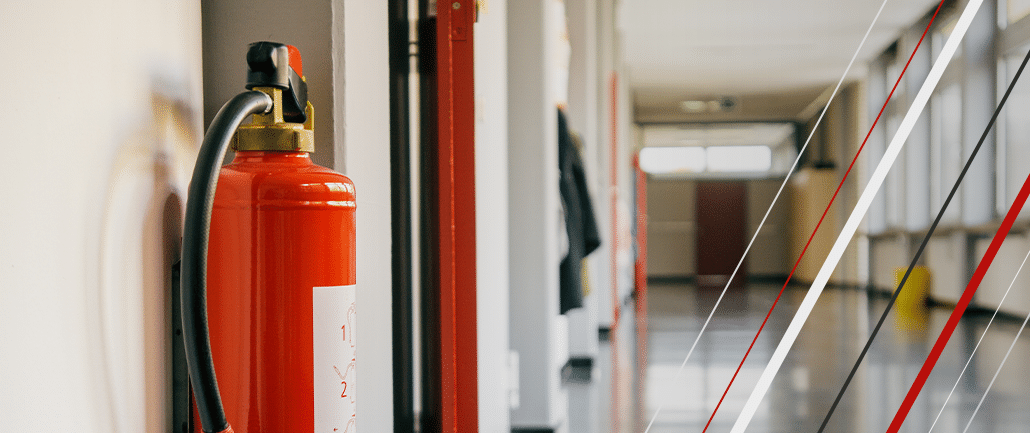
When it comes to fire safety, the equipment you have is only part of the equation. Having a well thought out fire safety plan is just as crucial. Whether it’s for your home, office, or business, being prepared can save lives, protect property, and prevent unnecessary chaos during a fire emergency.A good fire safety plan includes knowing what to do before, during, and after a fire. This involves understanding the risks, having the right fire protection equipment in place, and ensuring everyone knows how to act if the worst happens.
Why Every Property Needs a Fire Safety Plan
Accidents happen quickly, and fires can spread even faster. Without a clear plan, people can become confused or disoriented, especially in stressful moments. A fire safety plan provides a roadmap for action, minimizing confusion and maximizing safety.
A comprehensive fire safety plan goes beyond having fire extinguishers and smoke detectors. It also includes clear escape routes, designated meeting points, and instructions on how to use fire safety equipment. Everyone in the space whether at home or work should know what to do when alarms sound.
Start by Assessing Your Fire Risks
Before developing a fire safety plan, take a good look at your property. What are the major fire risks? In a home, the kitchen, heating equipment, and electrical appliances are common fire hazards. For businesses, it might be cooking equipment, industrial machinery, or chemicals.
- Home risks: Kitchens, fireplaces, and electrical issues are major concerns.
- Business risks: Commercial kitchens, warehouses with flammable materials, and electrical equipment.
Identifying these risks helps you determine what equipment to focus on and where to place it. It’s also the starting point for building your safety procedures.
Equip Your Space with the Right Fire Protection Tools
A fire safety plan isn’t complete without the proper Fire Protection Equipment. Make sure you have the essentials for your space:
-
Fire extinguishers: Multiple extinguishers should be placed in easily accessible areas. For homes, a kitchen extinguisher is a must. In businesses, more extinguishers are needed for higher risk zones.
-
Smoke detectors: Install alarms in hallways, bedrooms, and common areas. Make sure they are regularly tested and maintained.
-
Sprinklers: If your business or home is large, consider sprinkler systems for extra protection.
-
Escape ladders: In multi story homes, these can be a lifesaver. For businesses, clearly marked escape routes and emergency lighting are essential.
-
First aid kits: While not a fire protection tool per se, a first aid kit can be crucial for treating burns or injuries while waiting for emergency responders.
These tools should be placed in areas that are easy to access during an emergency. Keep them visible and well maintained to ensure they work when needed most.
Develop and Practice an Evacuation Plan
Creating escape routes is a crucial part of your fire safety plan. Whether at home or in a business, ensure that all possible exits are clear and accessible. In a building with multiple floors, plan both primary and secondary escape routes.
-
Designated meeting points: After evacuating, everyone should know where to gather. This ensures no one is left behind or unaccounted for.
-
Practice drills: Fire drills should be conducted regularly. This helps everyone in the space understand the plan and practice evacuating quickly.
For businesses, it’s helpful to assign fire wardens or designated safety officers who can guide employees to safety. These individuals should be trained in how to use fire protection equipment and how to assist others during an evacuation.
Regular Maintenance and Inspections Are Key
A fire safety plan is only effective if the equipment is in good working condition. Regularly inspect all your fire protection equipment, including extinguishers, smoke detectors, and sprinklers.
-
Home maintenance: At home, check your fire extinguishers monthly, test smoke alarms, and replace batteries as needed.
-
Business maintenance: Businesses should have professional inspections of fire protection equipment at least once a year. This includes servicing extinguishers, checking alarm systems, and ensuring sprinklers are functioning properly.
Routine checks ensure that all equipment will perform when needed. It’s also important to keep documentation of these inspections for both personal peace of mind and business compliance.
Communicating the Plan to Everyone Involved
A fire safety plan is only as good as the people who know it. Make sure that everyone in your home or business is familiar with the fire safety plan.
-
For businesses: Conduct regular fire safety training sessions to educate employees on evacuation procedures, how to use fire extinguishers, and where to go during a fire emergency.
-
For families: Involve everyone in the home, including children, in fire drills. Explain where the fire exits are, how to stop drop and roll, and what to do if there’s smoke.
Make sure everyone knows their role during an emergency, and that they understand where the fire protection equipment is and how to use it.
Updating Your Plan As Needed
Your fire safety plan should be a living document that gets updated as your property changes. If you add new rooms, install new equipment, or have a major renovation, make sure to update the plan and notify everyone involved. This keeps your safety measures relevant and effective.
Creating a comprehensive fire safety plan involves assessing risks, equipping your space with the right tools, planning escape routes, practicing regularly, and maintaining your equipment. Whether you’re looking to protect your home or your business, having a clear, well rehearsed fire plan gives you the confidence to handle an emergency safely.
Fire Protection Equipment Co
2020 Broadway St NE ste 100, Minneapolis, MN 55413
Phone: (800) 450-2885


