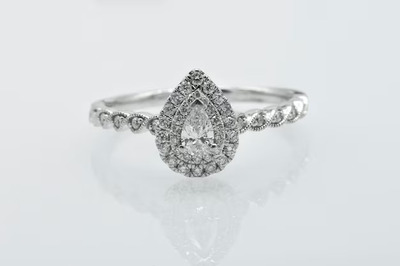
Pear Shaped Diamond Rings: Top Trends Every Bride Should Know
-
Posted by Furs and Fine Jewelry Blog Filed in Shopping #Pear Shaped Diamond Rings #Pear Cut Engagement Rings #Pear Shaped Engagement Rings #Diamond Engagement Rings 83 views
There’s something about pear-shaped diamond rings that makes people pause. Not in a dramatic, spotlight kind of way. More like… a second look. A quiet tilt of the head. Maybe it’s the shape. Half soft curve, half decisive point. Or maybe it’s the way they don’t try too hard to be classic, yet somehow are.
Anyway—brides have been paying attention. And lately, pear-shaped diamonds are showing up everywhere, but not all in the same way. The trends aren’t loud. They’re thoughtful. Personal. A little unexpected. Let’s talk about them. Not perfectly. Just honestly.
The Shift Toward Subtle Drama
At first glance, pear-shaped diamonds already feel dramatic. That tapered tip, the elongated body—it’s not shy. So you’d think trends would lean even bigger, bolder. But oddly? Brides are pulling back. Instead of oversized stones, there’s a move toward proportion. Balance. Rings that don’t shout but still say something.
I could list specs here, but that’s not really what matters, is it? What matters is how the ring feels when you turn your hand and catch the light without trying. Pear-Shaped Diamond Rings are being chosen less for flash and more for feeling. And that’s a shift.
Pear-Cut Engagement Rings Are Going Minimal
Minimalism gets tossed around a lot. Sometimes it just means plain but expensive. But with pear-cut engagement rings, minimalism feels more intentional lately. Solitaire settings. Clean bands. Nothing distracting from the stone itself. One thin band. One pear diamond. That’s it. And yet—it doesn’t feel empty.
The metal is cold at first, then warms against your finger. The diamond sits quietly, like it knows it doesn’t need help. Some brides are even choosing bezel settings, which used to feel too modern, too stark. Now they feel… protective. Grounded. Maybe it’s about wanting something steady. Something calm. Or maybe I’m reading into it.
East-West Settings
This trend refuses to go away. And honestly? I get it. Turning a pear diamond sideways—east-west instead of the traditional vertical—changes everything. It feels contemporary, a little rebellious, but not loud about it.
Pear-shaped engagement rings in east-west settings are especially popular with brides who don’t want the “engagement ring look.” You know the one. Big stone, centered, obvious. These rings feel more like jewelry you chose because you liked it. Not because you were supposed to. And that’s kind of the point.
Mixing Metals, Because Rules Are Tired
There was a time when mixing metals felt… wrong. Like wearing brown shoes with a black belt. Now? Brides don’t care. Yellow gold bands with platinum prongs. Rose gold paired with white accents. The contrast actually makes pear shapes stand out more, especially at the tip.
With diamond engagement rings, pear-shaped stones benefit from that subtle framing. The point looks sharper. The curves look softer. It’s not about matching everything anymore. It’s about what looks right. Yeah, it just looks right.
Smaller Side Stones, Bigger Impact
Here’s a quiet trend that doesn’t get enough attention: understated side stones. Instead of dramatic halos, brides are choosing tiny tapered baguettes, half-moons, or even barely-there pave that stops halfway around the band. Why?
Because the pair already has movement. It already feels dynamic. Adding too much sparkle can make it feel busy. These newer pear-shaped engagement rings let the center stone breathe. The side stones are there, but only if you’re paying attention. And honestly? That’s enough.
Vintage Details Are Creeping Back In
Not full-on antique. Not overly ornate. But milgrain edges. Hand-engraved bands. Slightly softened prongs. Details that feel like someone cared. I read once about a jeweler who insisted on finishing certain edges by hand, even though machines could do it faster. He said you could feel the difference, even if you couldn’t see it.
I wonder if that’s true. With Pear-Cut Engagement Rings, these vintage touches balance the modern shape. Old-world patience meets contemporary design. It’s an interesting tension.
The Rise of Low-Set Diamonds
This one’s practical. And emotional. Brides are choosing lower settings—pear diamonds that sit closer to the finger. Less snagging. Less fuss. More… living. Especially for Diamond Engagement Rings meant to be worn every day, this matters. A ring shouldn’t make you nervous. It shouldn’t feel like something you have to protect constantly.
Lower-set pear-shaped diamond rings feel wearable. Like they belong in your actual life, not just photos. Because life isn’t all close-ups and champagne glasses. Sometimes it’s grocery carts and door handles and quiet mornings.
Personal Orientation Choices
Traditionally, pear diamonds point upward. Toward the fingertip. Elongating, elegant, expected. But some brides flip it. Point down. Toward the heart. It’s subtle, but meaningful. And meaning is doing a lot of work lately.
Others choose based purely on aesthetics. Or comfort. Or instinct. No symbolism at all. And that’s fine too. With pear-shaped diamond rings, orientation has become less about rules and more about preference. No script. Just habit.
Pear Shapes Are Competing—And Winning
Against ovals. Against marquise. Even against rounds. When brides compare diamond Engagement Rings, pear shapes keep winning hearts because they do a strange thing: they feel unique without feeling risky.
They look larger than their carat weight. They elongate the finger. They photograph beautifully, but they also look good when no one’s looking. That matters more than people admit.
Not Every Trend Needs Explaining
Some brides choose pear shapes because they’re tired of seeing the same ring everywhere. Others because the shape reminds them of something. A drop of water. A leaf. A moment. Or nothing at all. Pear-shaped diamond rings don’t demand a story. They just sit there, catching light, doing their quiet work.
And maybe that’s why they’re trending. Not because they’re new. But because they feel personal in a way trends usually don’t. Anyway, Trends will shift again. They always do. Settings will change. Metals will rotate back into favor. Someone will declare something “over.”
But pear-shaped diamonds will still be here. Slightly curved. Slightly pointed. Waiting for someone to notice them in their own way. Some things just don’t need explaining.


