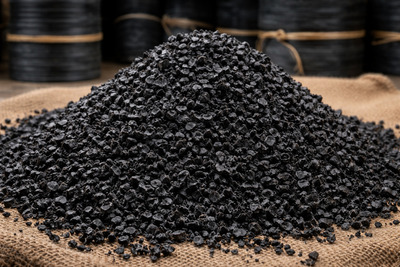
How to Check Quality of High Tensile Reclaim Rubber Before Buy
-
Buying reclaim rubber is not just about finding the lowest price. If the quality is poor, it can create bigger losses later — like product failure, cracking, poor tensile strength, high rejection rates, and customer complaints.
That’s why checking quality before placing a bulk order is one of the smartest steps for any rubber product manufacturer. Whether you use reclaim rubber in tyres, tubes, footwear, mats, conveyor belts, or molded rubber parts, quality directly affects your final output.
In this guide, we’ll break down the most practical ways to check reclaim rubber quality before buying — in a simple, real, and buyer-friendly way.
1) Start With the Basics: Know What You’re Buying
Before checking anything else, confirm what type of reclaim rubber you’re purchasing.
Ask the supplier clearly:
-
Is it tyre reclaim, tube reclaim, or whole tyre reclaim?
-
Is it natural rubber based or synthetic?
-
Is it black reclaim or colored reclaim?
-
Is it high tensile grade or general grade?
A good supplier will always give clear answers. If they keep giving vague replies like “same quality, best quality,” treat it as a warning sign.
When you are specifically purchasing high tensile reclaim rubber, the grade matters even more because you’re expecting better strength, better bonding, and better durability.
2) Ask for Test Reports (Don’t Skip This)
This is one of the most important steps.
Before buying, ask for a recent lab test report that includes:
-
Tensile strength
-
Elongation at break
-
Hardness (Shore A)
-
Specific gravity
-
Ash content
-
Carbon black content (if applicable)
-
Mooney viscosity (if available)
Even if you don’t understand every number, a test report shows the supplier is serious and transparent.
A reliable supplier of high tensile reclaim rubber will not hesitate to share testing details.
3) Check Tensile Strength (The Real Quality Indicator)
Tensile strength is one of the biggest reasons buyers choose high tensile grade reclaim.
In simple words:
Higher tensile strength = stronger rubber = better finished products.If you are using reclaim in products that face stress (like belts, gaskets, tyre compounds, industrial sheets), tensile strength becomes a key deciding factor.
So always confirm:
-
The minimum tensile strength guarantee
-
Whether the tensile is consistent across batches
A lot of low-grade reclaim looks fine visually but fails badly in tensile performance.
4) Do a Simple Stretch Test (Small Sample Check)
Even without a lab, you can do a quick manual test.
Take a small piece of rubber and stretch it slowly.
Good quality reclaim rubber will:
-
stretch smoothly
-
feel uniform
-
not tear suddenly
Poor quality reclaim rubber will:
-
crack while stretching
-
tear quickly
-
feel uneven or brittle
This is not a perfect scientific test, but it gives a fast “first impression” before you spend money.
This step is especially useful when checking high tensile reclaim rubber samples.
5) Check for Contamination (This is a Big Hidden Problem)
One major issue in reclaim rubber is contamination.
Contamination can include:
-
fabric threads
-
metal particles
-
sand/dust
-
plastic pieces
-
hard lumps
These impurities can destroy your mixing process and cause defects in final products.
How to check?
-
Cut the sample and inspect inside
-
Rub it and feel for rough particles
-
If possible, run it through a small mixing trial
If the sample contains visible contamination, don’t buy it — no matter how cheap it is.
6) Smell Test: Strong Odor = Possible Quality Issues
This might sound funny, but smell tells a lot.
High quality reclaim usually has a controlled rubber smell.
Low quality reclaim often has:
-
strong burnt odor
-
chemical smell
-
smoky smell
A strong smell can indicate poor devulcanization, overheating, or excessive oil/chemicals used during processing.
And in many cases, bad odor also affects the final product smell — especially in footwear, mats, and molded rubber goods.
7) Check Hardness Consistency
Hardness affects flexibility and performance.
If the reclaim rubber is too hard, it may:
-
reduce flexibility
-
create mixing issues
-
cause cracking in final products
If it’s too soft, it may:
-
reduce strength
-
cause deformation
The real quality sign is consistency.
When buying in bulk, you want the same hardness level batch after batch.
That’s why it’s smart to ask the supplier:
“How do you maintain batch-to-batch consistency?”8) Do a Small Trial Batch (Best Practical Step)
This is the most “real-world” method.
Before finalizing a big order, always do a small trial in your mixing unit.
Check:
-
mixing time
-
dispersion quality
-
smell during mixing
-
scorching issues
-
final compound smoothness
After that, test the final product for:
-
tensile
-
elongation
-
aging resistance
-
cracking
A trial batch reveals the truth more than any sales talk.
This step is a must if you’re buying high tensile reclaim rubber for demanding applications.
9) Compare Pricing Smartly (Too Cheap is Usually a Trap)
Reclaim rubber is cost-saving, yes — but don’t fall for extreme low pricing.
If one supplier is offering a rate far below market price, ask yourself:
-
Are they cutting corners in processing?
-
Is it mixed with fillers?
-
Is it inconsistent stock?
-
Is it off-grade material?
In rubber manufacturing, a cheaper raw material can cause more expensive production losses later.
So don’t buy based on price only. Buy based on value + consistency.
10) Choose the Right Supplier (This Matters Most)
Finally, the supplier you choose makes the biggest difference.
A trusted reclaim rubber manufacturer in india will usually provide:
-
proper packaging
-
consistent batches
-
test reports
-
quick sample support
-
clear communication
-
stable supply chain
Also check:
-
how long they’ve been in business
-
their client industries
-
whether they export
-
whether they can supply regularly
Final Thoughts
Checking reclaim rubber quality is not complicated — but it does require attention.
If you want smooth production and strong final products, always test before buying, ask for reports, check consistency, and run a trial batch.
The goal is simple: you should not just buy reclaim rubber — you should buy the right reclaim rubber.
When you choose a reliable supplier and verify quality properly, high tensile reclaim rubber can give you excellent performance, cost savings, and long-term production stability.
-


